
Plants
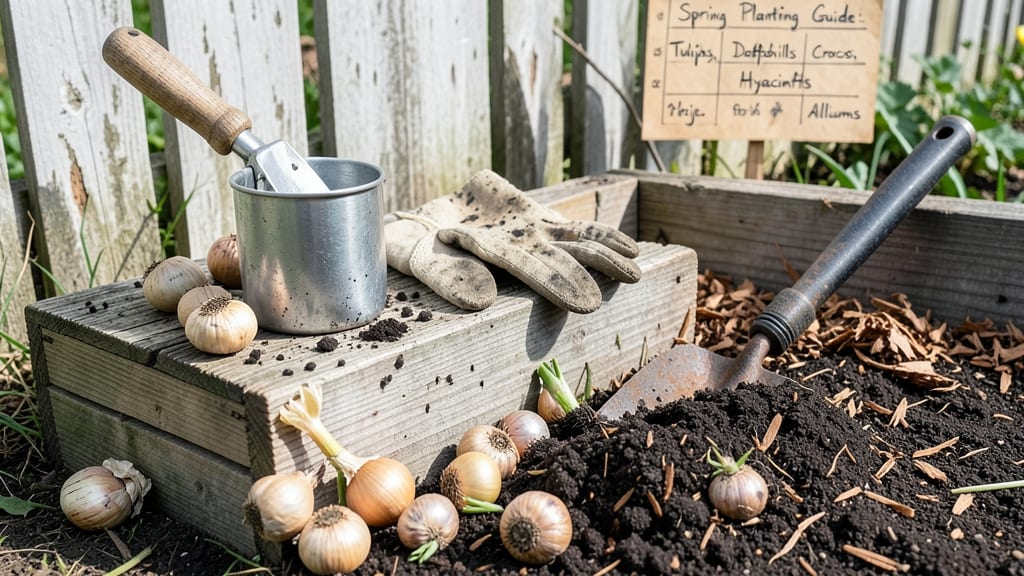
If you’ve ever stared at a bag of spring flowering bulbs (like tulips or daffodils 🌷) wondering whether to plant them now or wait, Utah’s tricky frost dates might be throwing you off.
Here’s the deal: Getting the timing right means the difference between vibrant blooms next spring and wasted effort. Utah’s high-altitude zones—especially places like Salt Lake City (Zone 6a) or Park City (Zone 5)—demand precision, but the good news is that a few simple rules can make all the difference.
I’ll break down exactly when to plant for your specific region, which bulbs handle Utah’s cold winters best, and how to prep your soil so your flowers thrive. No more guessing—just confident planting that leads to a garden bursting with color.
Ready to turn your yard into a springtime showstopper? Let’s get started with the perfect timing for your Utah garden.
Utah’s frost dates by Zone: best planting months for spring bulbs
Utah’s diverse elevations create a patchwork of microclimates that demand precision when planting spring-flowering bulbs. From the high-desert chill of Park City (Zone 6a) to the milder winters of St. George (Zone 8a), each region has its own frost-free window.
Planting too early risks rot, while waiting too long means bulbs won’t establish roots before winter. My goal? Help you pinpoint the 6-8 week window before your local first frost for foolproof success.
Most Utah gardeners aim to plant bulbs in October or November, but your exact timing hinges on two critical factors: USDA Hardiness Zone and elevation.
For example, Salt Lake City’s Zone 6a typically sees its first frost around November 1, while Ogden’s Zone 6b holds off until November 15. Provo’s Zone 6a mirrors Salt Lake’s timeline, but Park City’s higher elevation (Zone 5b) often freezes by October 20.
These nuances mean your tulips or daffodils could bloom weeks apart depending on location.
Here’s the golden rule: Plant bulbs when soil temps drop to 60°F (15°C) but before the ground freezes solid. This usually translates to mid-October in northern Utah and late October in southern Utah.
For St. George gardeners (Zone 8a), you’ve got until December 1—but rush orders aren’t recommended. Bulbs need 4-6 weeks of root growth before winter sets in, so don’t wait until the last minute.
Utah’s high-altitude zones (like Park City or Heber Valley) require extra caution. At 7,000+ feet, frost can arrive as early as September 30, so I recommend starting bulb purchases by September 1 for these areas.
Conversely, low-desert regions (e.g., Cedar City or St. George) can plant bulbs well into November thanks to milder winters. Always check your local Almanac frost dates or use the USDA Plant Hardiness Map to confirm your zone.
Let’s break down the ideal planting windows for Utah’s most popular bulb varieties by region.
Whether you’re in Salt Lake City, Ogden, Provo, or Park City, these timelines will help you avoid the #1 mistake: planting too late and ending up with frost-damaged bulbs that fail to bloom.
| Region | USDA Zone | First Frost | Planting Window | Best Bulbs for Zone |
|---|---|---|---|---|
| Salt Lake City | 6a | Nov 1 | Oct 15 - Oct 31 | Daffodils, Tulips, Hyacinths |
| Ogden | 6b | Nov 15 | Oct 1 - Nov 10 | Allium, Fritillaria, Crocus |
| Provo | 6a | Nov 1 | Oct 15 - Oct 31 | Tulips, Daffodils, Grape Hyacinths |
| Park City | 5b | Oct 20 | Sep 15 - Oct 10 | Snowdrops, Crocus, Siberian Squill |
| St. George | 8a | Dec 15 | Nov 1 - Dec 1 | Dahlias, Canas, Begonias |
🌱 Note: Adjust for microclimates (e.g., urban heat islands or sheltered valleys).
If you’re unsure about your local frost dates, I recommend using the Utah Climate Center’s frost maps or checking with your
Utah’s frost dates by Zone: best planting months for spring bulbs
Utah’s USDA Hardiness Zones 5-8 mean frost dates vary wildly—from early November in Salt Lake City (Zone 6a) to late December in St. George (Zone 8a). To plant bulbs at the perfect time, aim for 6-8 weeks before your region’s first hard frost.
This window ensures bulbs establish roots before winter dormancy sets in.
For most Utah gardeners, that means October to early November is your sweet spot. But if you’re in a higher-altitude zone (e.g., Park City, Zone 5), you might need to plant as early as late September to avoid missed deadlines.
Always check your local Almanac frost dates—they’re your gardening GPS.
Here’s a quick breakdown of when to plant in Utah’s most common zones:
| Zone | City Example | First Frost | Planting Window | Best Bulbs |
|---|---|---|---|---|
| 5a-5b | Park City, Ogden | October 20-November 5 | September 20-October 15 | Daffodils, Allium, Fritillaria |
| 6a-6b | Salt Lake City, Provo | November 1-November 15 | October 1-October 31 | Tulips, Hyacinths, Crocus |
| 7a-7b | Henderson, Layton | November 15-December 1 | October 15-November 10 | Daffodils, Grape Hyacinths |
| 8a | St. George, Cedar City | December 15-January 1 | November 1-December 15 | Tulips, Daffodils, Snowdrops |
Pro tip: If you miss the fall window, some hardy bulbs (like daffodils) can be planted in early spring (March-April), but they may bloom later. For best results, stick to the fall timeline—your spring garden will thank you!
Once you’ve nailed the timing, focus on soil prep. Utah’s clay-heavy soils can suffocate bulbs, so amend with compost or sand to improve drainage. A little extra effort now means bold, reliable blooms next spring.
Now that you’ve got the timing down, let’s talk about the best bulbs for Utah’s climate—some varieties handle our cold winters like pros, while others struggle. Stay tuned for my top 7 picks!