
Plants
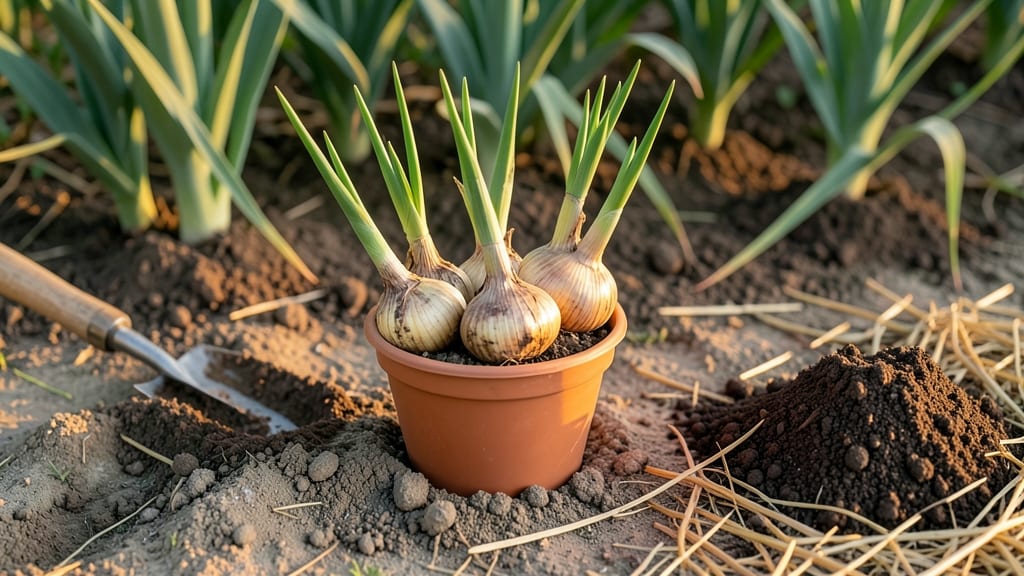
Planting gladiolus bulbs in California at the wrong time can mean the difference between stunning 🌸 blooms and struggling corms that never thrive. With coastal zones staying mild year-round and inland areas experiencing real seasonal shifts, timing matters more than you might think.
If you're in USDA zones 9-10 (which covers most of California), the ideal window stretches from February to May—but inland desert areas can start as early as late January. Coastal gardeners have more flexibility, while those in hotter inland spots need to plant before summer heat sets in.
I’ll break down exactly when to plant based on your specific California microclimate, plus how to spot the perfect moment when soil and weather align. No more guessing—just vibrant gladiolus blooms from July through September.
Ready to transform your garden? Let’s dive into the zone-specific schedule that’ll have your gladiolus thriving all season long.
California gladiolus planting calendar by zone: coastal vs inland timelines
California’s diverse climate means your gladiolus planting schedule depends entirely on whether you’re in coastal or inland zones. Coastal areas like San Francisco and Santa Barbara (USDA 9-10) enjoy mild winters, while inland spots like Sacramento or Fresno (USDA 7-9) face frost risks and hotter summers.
Getting this wrong can delay blooms or even kill your corms before they sprout.
For coastal California, aim to plant gladiolus bulbs between late March and May. The soil should reach 60°F (15°C) at least 6 inches deep—a key indicator your corms are ready to grow.
Inland areas can start earlier, with February to early April being ideal to avoid summer heat stress. Desert regions like Palm Springs may even plant in late winter to beat the intense heat.
Here’s the critical difference: coastal zones have no frost risk, so you can plant anytime after soil warms. Inland zones must wait until after the last frost date (typically mid-December to mid-January), but also avoid planting too late, or your glads may bolt in summer’s heat.
🌸 Gladiolus Planting Calendar: Coastal vs Inland California
| Zone | USDA Zone | Planting Window | Soil Temp Requirement | Key Consideration |
|---|---|---|---|---|
| Coastal (San Francisco, Santa Barbara) | 9-10 | Late March–May | 60°F+ (15°C) | No frost risk; prioritize soil warmth |
| Inland (Sacramento, Fresno) | 7-9 | February–Early April | 55°F+ (13°C) | Wait for last frost; avoid summer heat |
| Desert (Palm Springs, Coachella) | 9-10 | Late Winter (Feb) | 65°F+ (18°C) | Beat extreme summer heat; mulch heavily |
🌡️ Pro Tip: Use a soil thermometer to confirm readiness—gladiolus corms need consistent warmth to sprout.
If you’re in a transition zone (e.g., San Diego or Los Angeles), split your planting: start with early varieties in March for summer blooms, then add late varieties in April for fall color. This extends your bloom season by 2-3 months—perfect for cutting gardens or borders.
For container gardening, coastal gardeners can plant as late as June in pots, but inland growers should stick to spring planting only. Containers heat up faster, so use black plastic pots to absorb warmth and add perlite to improve drainage.
Inland containers may need shade cloth in summer to prevent bolting.
One common mistake is planting gladiolus too early in coastal areas, where cool, damp soil can rot corms before they sprout. Conversely, inland gardeners often wait too long, missing the optimal 60-day growth window before summer’s heat sets in.
Test your soil’s readiness with a moisture meter—it should feel like a wrung-out sponge but not soggy.
After planting, coastal gladiolus typically bloom by June-July, while inland varieties may flower as late as August-September if planted early. To maximize blooms, choose early-, mid-, and late-season varieties (e.g., ‘Green Star’ for spring, ‘Black Pearl’ for fall).
This staggered approach ensures continuous color from summer to early autumn.
Remember: gladiolus corms are not perennial in California’s climate. After blooming, let foliage die back naturally, then dig up and store corms in a cool, dry place for next year.
Coastal gardeners can often leave corms in the ground over winter, but inland growers should lift them by November to prevent frost damage.
🌿 For a foolproof schedule, mark your calendar with these key dates:
- Coastal: Plant by May 1 for summer blooms.
- Inland: Plant by April 15 to avoid heat stress.
- Desert: Plant by March 15 to escape summer’s intensity.
Signs it’s the perfect time to plant gladiolus bulbs in your region
California’s diverse climate means your gladiolus bulbs won’t thrive on a one-size-fits-all schedule. Instead of guessing, watch for these local cues to time your planting perfectly. Coastal gardeners should focus on soil warmth and rainfall patterns, while inland growers need to track heat spikes and frost risks.
For coastal California (USDA zones 9-10), the ideal window arrives when daytime temperatures consistently stay above 60°F (15°C)—usually by mid-March to early April. Check your soil’s readiness by pressing your finger 2 inches deep; if it feels warm (not cold), it’s time to plant.
Coastal areas also benefit from milder winters, so you can start bulbs indoors in late winter for an earlier bloom.
🌱 Key Takeaways for Perfect Timing
Inland and desert regions (USDA zones 7-9) demand a different approach. Aim to plant gladiolus corms 4-6 weeks before your area’s last frost date, typically between February and early April.
Look for dormant-season cues: if nearby dormant perennials like lavender or rosemary are just waking up, your bulbs are ready too. Desert gardeners should also watch for early morning fog lifting—this signals warming soil perfect for planting.
Urban heat islands can throw off your timing, especially in cities like Los Angeles or Sacramento. If your neighborhood stays 10°F warmer than rural areas, plant 1-2 weeks earlier to avoid summer heat stress.
Test your microclimate by checking if pavement stays hot to the touch—if it does, delay planting until evenings cool slightly.
Don’t rely solely on the calendar—gladiolus bulbs communicate their needs through growth stages. If you’ve planted too early and see yellowing leaves or stunted shoots, your bulbs are struggling with cold soil.
Wait until you spot new green shoots emerging from 1/3 of your bulbs before planting the rest. This staggered approach ensures consistent blooms across your garden.
For a foolproof method, use the "finger test": dig a small hole, insert your finger, and leave it for 30 seconds. If the air feels warm (not chilly), your soil is ready.
Pair this with a weekly check of local weather forecasts for 10-day highs—consistent 70°F+ days mean it’s time to plant.