
Plants
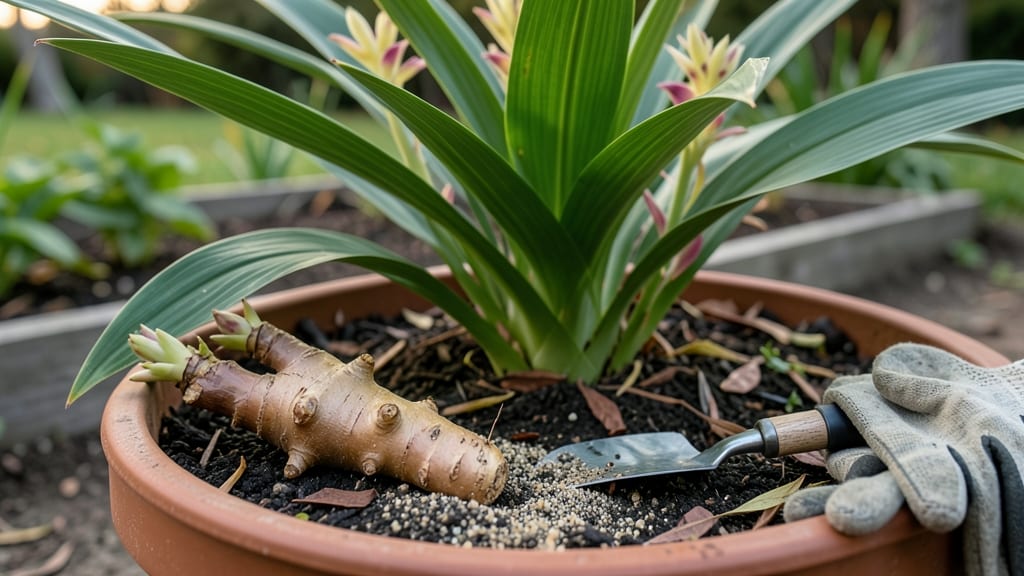
If you've ever wondered when to plant ginger in California without risking frost damage or missing your harvest window, timing is the game-changer you need to master. California's diverse microclimates—from frost-free coastal zones to hot inland valleys—mean your neighbors might be planting months apart, yet both could succeed.
Ginger 🌿 thrives in California's 7b-10b zones, but the best months depend on where you live. Coastal gardeners in Los Angeles can plant almost year-round, while Sacramento's 9a zone demands precise timing to avoid winter chills.
We'll break down exactly when to get those rhizomes in the ground for the most efficient growth.
Whether you're a seasoned gardener or a first-timer, knowing your local frost dates and soil temperatures is key to avoiding common mistakes like planting too early in cold soil or too late for a fall harvest. Let's walk through the optimal windows and what your ginger plants need to flourish.
You'll discover how to calculate your personal planting window using simple tools, plus three critical signs that show your ginger is ready to go in the ground. With the right approach, you could be harvesting fresh ginger in just 9-12 months—no matter where you are in the Golden State.
Optimal planting months for ginger in California’s microclimates
California’s diverse climate—from frost-free coastal zones to hot inland valleys—means ginger planting windows vary wildly. In Zone 10 (coastal), you can plant year-round with zero frost risk, while Zone 9a (Central Valley) demands precise timing to avoid late-winter chills.
Even desert regions (Zone 10b) require summer heat management. Let’s break it down by region to maximize your 9-12 month harvest window.
For coastal California (LA, San Francisco, Santa Barbara), your best planting months are January through November. Soil temps stay above 60°F (15°C) year-round, so rhizomes activate immediately.
In contrast, inland valleys (Sacramento, Fresno) should plant March through September—avoiding late fall when temps dip below 50°F (10°C), which stunts growth. Desert areas like Palm Springs or Coachella can plant October through April, escaping summer’s brutal 100°F+ (38°C+) heat.
Key temperature thresholds for ginger success:
- Soil temp: Minimum 60°F (15°C) for rhizome activation
- Air temp: Avoid below 50°F (10°C) (frost risk)
- Heat tolerance: Max 95°F (35°C) (desert summers need shade)
Regional planting calendars at a glance:
| Region | Best Planting Months | Avoid Planting | Notes |
|---|---|---|---|
| Coastal (Zone 10) | Jan–Nov | Dec (mild chill risk) | Year-round growth; harvest in fall/winter. |
| Central Valley (Zone 9a) | Mar–Sep | Oct–Feb (frost risk) | Use mulch to protect roots in late fall. |
| Desert (Zone 10b) | Oct–Apr | May–Sep (extreme heat) | Plant in shade cloth during summer. |
Pro tip: Coastal gardeners can stagger plantings every 2 months for continuous harvests. For example, plant in January for a fall harvest, then again in March for a winter crop. Inland growers should focus on spring plantings (March–April) to ensure rhizomes mature before summer heat sets in.
If you’re in a transition zone (e.g., San Diego’s inland areas), err on the side of earlier plantings. Rhizomes planted in late February often outperform those in April because they establish roots before summer’s dry spells.
Test your soil’s moisture retention—ginger hates drying out, and inland soils often bake by June.
Harvest timing depends on your planting month:
- Plant in Jan/Feb (coastal) → Harvest Oct–Dec
- Plant in Mar/Apr (inland) → Harvest Nov–Jan
- Plant in Oct (desert) → Harvest Jul–Sep (next year)
For container growing, coastal areas can plant anytime, but inland pots need insulated planters to protect roots. Use black plastic pots (absorbs heat) or wrap containers in bubble wrap for winter protection. Desert growers should choose light-colored pots to reflect heat.
Remember: California’s microclimates can shift dramatically over short distances. Check your local weather station for last frost dates—even Zone 10 areas can see light frosts in winter. When in doubt, plant 6 weeks earlier than your ideal window to account for delays.
Next, we’ll dive into how to calculate your exact planting window using USDA zones and soil tools—so you can avoid common timing mistakes that waste your rhizomes.
Optimal planting months for ginger in California’s microclimates
California’s diverse climate means your ginger planting window can vary dramatically from Los Angeles to Sacramento. Coastal areas like San Francisco (Zone 9b-10a) enjoy frost-free growing year-round, while inland valleys like Sacramento (Zone 9a) face occasional winter chills.
Desert regions such as Palm Springs (Zone 10b) avoid frost entirely but require shade during scorching summers.
For coastal gardeners, ginger thrives when planted between January and November, with peak growth from spring to fall. Inland areas should aim for February to October to avoid late-season frosts. Desert regions can plant almost year-round but must protect rhizomes from extreme heat.
Here’s a quick reference for your region:
| Region | USDA Zone | Best Planting Window | Soil Temp Threshold | Notes |
|---|---|---|---|---|
| Coastal (LA/SF) | 9b-10a | Year-round (peak: Jan-Nov) | 60°F+ | No frost risk; mulch for winter |
| Central Valley (Sacramento) | 9a | Feb-Oct | 65°F+ | Avoid Dec-Jan frosts |
| Desert (Palm Springs) | 10b | Year-round (avoid summer) | 70°F+ | Shade required June-Aug |
In coastal zones, ginger grows fastest when planted in late winter (Jan-Feb), as soil temperatures rise steadily. For inland valleys, focus on early spring (Feb-Mar) to ensure rhizomes establish before summer heat. Desert gardeners should plant in fall (Oct-Nov) to escape peak temperatures.
Pro tip: Use a soil thermometer to confirm temperatures exceed 60°F before planting—ginger rhizomes won’t sprout in cold soil. Coastal gardeners can push this to 55°F for early starts, but inland areas should wait until 65°F+.
Remember, ginger’s 9-12 month growth cycle means planning ahead pays off. Plant too late, and you’ll harvest during winter’s chill, stunting rhizome development. Aim for a fall harvest by planting in spring or early summer—this aligns with California’s natural growing rhythms.