
Plants
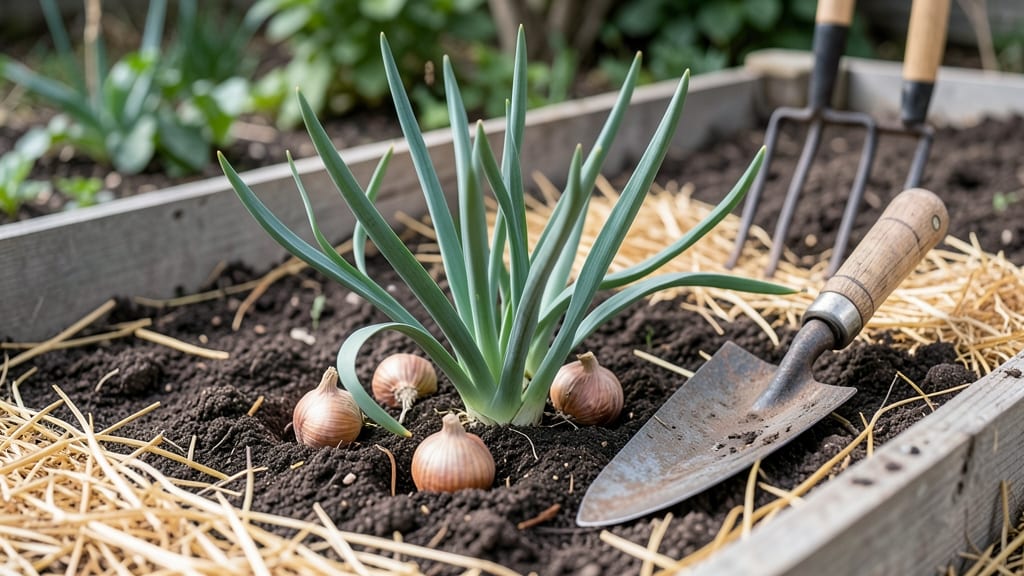
If you're wondering when to plant garlic in Zone 10a, the answer might surprise you—it's all about timing your 🧄 cloves for fall's cooler temperatures, not summer's heat.
Unlike colder zones where garlic goes in late winter, Zone 10a's mild winters mean you'll plant in late fall to let the bulbs establish roots before summer arrives.
Most gardeners in Southern California or coastal areas aim for October through December, giving garlic enough time to develop strong roots before the heat of next year.
This schedule works because garlic needs cooler weather to form bulbs, and Zone 10a's lack of frost means you can skip the spring planting entirely.
Here's the game-changer: planting too early in summer means your garlic will bolt or struggle, while waiting too late risks weak growth before summer's heat sets in. The 6-8 week window before winter rains begin is your sweet spot for healthy, robust plants.
In this guide, I'll break down the exact dates, soil prep tips, and how to adjust for your specific microclimate—whether you're near the coast or inland. Let's get those cloves in the ground the right way for a bigger harvest next June or July.
Optimal planting windows for garlic in Zone 10a (with exact dates)
In Zone 10a, where winters are mild and summers scorching, planting garlic in the fall (not spring) is your secret weapon. The ideal window spans from late October to early December, allowing cloves to establish roots before winter rains kick in.
This timing avoids summer heat stress, which stunts bulb development. Coastal areas like San Diego may push planting to November, while inland zones like Palm Springs can start as early as October.
Garlic thrives when soil temperatures drop below 70°F—a cue for root growth. In Zone 10a, this typically happens by mid-October. Planting too early (August/September) risks premature sprouting from residual summer heat, while waiting until January delays bulb maturation.
Aim for 4–6 weeks before winter rains to sync with natural moisture cycles.
🌱 Zone 10a Garlic Planting Summary
| Month | Soil Temp | Action | Notes |
|---|---|---|---|
| Late October | 65–70°F | Plant cloves | Coastal areas |
| November | 60–65°F | Plant cloves | Inland areas |
| Early December | 55–60°F | Plant cloves | Last chance |
| January | 50–55°F | Avoid planting | Delays harvest |
💡 Pro Tip: Use a soil thermometer to confirm temps below 70°F before planting.
Microclimates play a huge role in Zone 10a. Coastal gardens (e.g., Santa Barbara) enjoy cooler, wetter winters, so focus on November planting. Inland areas like Riverside experience hotter, drier winters—plant in late October to capitalize on early rains.
Even a 5°F difference can shift your ideal window by weeks.
Garlic planted in Zone 10a’s fall window will harvest in June–July of the following year. This schedule aligns with the plant’s natural cycle: roots establish in winter, shoots emerge in spring, and bulbs mature during cool summer days (avoiding the heat that shrinks bulbs in other zones).
For reference, gardeners in Zone 8 plant in fall too, but their harvest comes 2–3 months earlier.
If you miss the fall window, don’t panic—January planting is still possible in Zone 10a, but bulbs will be smaller and harvest later (August–September). The trade-off? Less risk of rot from winter rains if your soil drains poorly. For maximum yield, though, stick to the October–December sweet spot.
One common mistake in Zone 10a is waiting until winter rains arrive to plant. By then, soil may be waterlogged, and cloves can rot. Instead, prep beds in late September with compost and coarse sand to improve drainage.
This gives you a 2-week buffer before planting to adjust for unexpected dry spells.
For coastal gardeners, another trick is to plant softneck varieties like Silverskin in early November. These tolerate milder winters better than hardnecks and store longer post-harvest. Inland growers should opt for hardneck types like German Red, which handle hotter winters and produce larger bulbs.
Remember: Garlic is a cool-season crop, not a summer one. The 6–8 weeks before winter rains begin is your golden window in Zone 10a. Plant outside it, and you’ll either deal with heat stress or delayed growth. Mark your calendar now—your June harvest depends on it!
Optimal planting windows for garlic in Zone 10a (with exact dates)
In Zone 10a, garlic thrives when planted during the 6-8 week window before winter rains, typically from late October to early December. This timing lets your 🧄 bulbs establish roots in cooler weather, avoiding summer's heat stress.
Unlike colder zones, you skip spring planting entirely—Zone 10a's mild winters mean garlic grows through winter and harvests in June or July.
Coastal areas (like San Diego) can plant slightly later—November to early December—thanks to milder microclimates. Inland regions (e.g., Riverside) should aim for October to mid-November to avoid early summer heat. The goal? Plant when soil temps drop below 75°F but before heavy rains arrive.
Here’s why timing matters: Planting in summer or early fall risks bolting (premature flowering), while waiting too late weakens root growth before summer heat returns. The ideal window balances cool soil temps and adequate moisture for bulb formation.
Zone 10a Garlic Planting Timeline
| Month | Planting Window | Soil Temp Goal | Key Consideration |
|---|---|---|---|
| October | Early to mid-October (coastal) | 65–75°F | Avoid summer heat; prepare soil |
| November | Best for most of Zone 10a | 60–70°F | Ideal for root development |
| December | Late December (inland only) | 55–65°F | Risk of weak growth if planted too late |
⏰ Pro Tip: Use a soil thermometer to confirm temps below 75°F before planting.
Missed the fall window? Don’t panic—you can still plant in January for a smaller harvest, but prioritize fall for maximum bulb size. The key is soil temperature: garlic needs cool roots to form bulbs, and Zone 10a’s lack of frost means you’re working with a narrow but precise window.
For coastal gardeners, November 1–15 is the sweet spot, while inland gardeners should plant by November 1 to avoid summer heat stress. Adjust for your local microclimate—shaded areas may need earlier planting, while sunny spots can wait slightly longer.
Remember: No frost in Zone 10a means garlic grows year-round, but the coolest months (Dec–Feb) are critical for bulb development. Plant too early, and your garlic may bolt; too late, and it’ll struggle before summer. The 6-week rule before winter rains is your best guide.