
Companion Plants
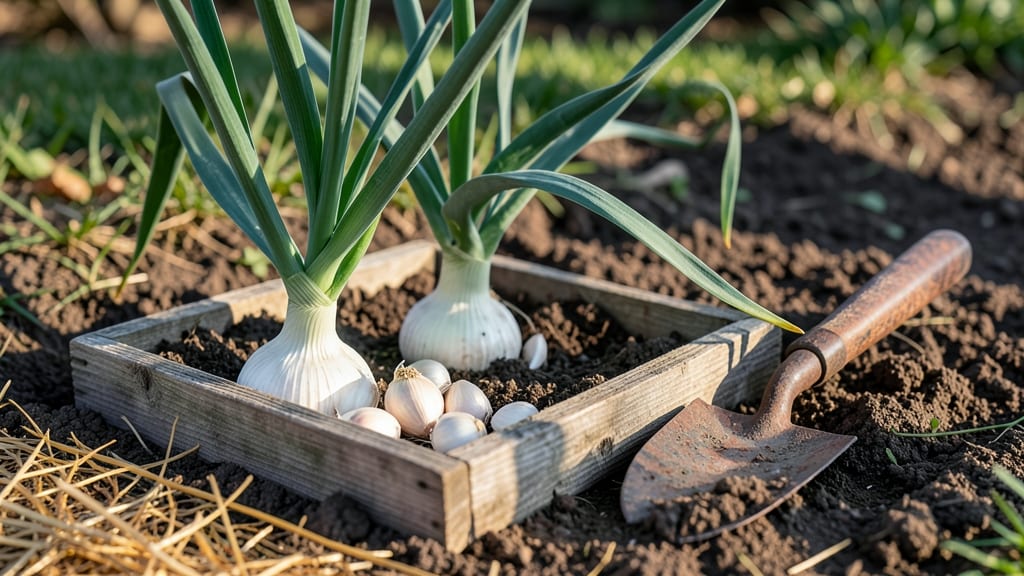
Timing your 🧄 garlic planting in Western PA isn't just about the calendar—it's about matching your crop to the region's 3,000–5,000 chill hours and avoiding frost-killed failures. Plant too early, and your cloves rot; too late, and they won't develop properly before winter.
The key? Getting them in the ground 4–6 weeks before the first frost—typically between mid-October and early November.
Western PA's USDA Zone 6a climate means your garlic will need to overwinter, so choosing the right variety is just as critical as planting timing. Hardneck varieties like Rocambole or German White thrive in these conditions, while softneck types may struggle with our cold winters.
I'll show you how to pick the perfect variety and prepare your soil for a successful harvest.
Don't let unpredictable late frosts catch you off guard—we'll cover how to protect your garlic through winter and into spring. Whether you're a first-time grower or a seasoned gardener, these localized tips will help you grow bold, flavorful bulbs that outperform store-bought any day.
Let's get your garlic planted right this fall.
Ready to transform your garden into a garlic powerhouse? I'll walk you through the exact steps to plant, protect, and harvest your crop—so you can enjoy homegrown garlic from late June to July. No more guessing games, just proven methods tailored to Western PA's unique growing conditions.
Western PA garlic planting calendar: chill-hours breakdown by variety
Western Pennsylvania’s USDA Zone 6a climate demands careful garlic variety selection—your choice between hardneck and softneck types directly impacts success. Most Western PA gardeners thrive with hardneck varieties, which require 3,000–5,000 chill hours to form bulbs.
The region’s winters typically deliver 4,500–5,500 chill hours, making it perfect for hardnecks like Rocambole or German White.
Timing your planting to align with first frost dates (usually mid-October to early November) ensures garlic establishes roots before winter. Planting too early risks rot, while waiting too long may leave insufficient time for bulb development before harvest.
The key is planting 4–6 weeks before the ground freezes, allowing roots to anchor before dormancy.
Chill-hour requirements vary by variety, and choosing the wrong one can mean small, weak bulbs or complete failure. For example, Artichoke garlic (a softneck) needs fewer chill hours (2,500–3,500) and may work in milder microclimates like Erie, while Rocambole (hardneck) demands 4,000+ chill hours and excels in Pittsburgh’s colder zones.
To simplify your decision, focus on the top 5 chill-hour-compatible varieties for Western PA. These include German White, Music, Rocambole, Silverskin, and Chesnok Red. Each offers unique flavor profiles and bulb sizes, but all align with the region’s climate when planted at the right time.
Here’s the critical chill-hour compatibility chart to help you match varieties to your microclimate:
For Pittsburgh and surrounding areas, aim for German White or Rocambole—these varieties dominate local farmers' markets for their bold flavor and large bulb size. In Erie’s milder climate, Music or Silverskin may perform better, especially if winters dip below 2,500 chill hours.
Pro tip: If you’re unsure about your local chill hours, check your USDA Plant Hardiness Zone map and add 1,000–1,500 extra chill hours for high-altitude areas like the Laurel Highlands. Overestimating chill hours can lead to poor bulb formation, while underestimating risks frost damage.
Once you’ve selected your variety, the next critical step is soil preparation. Western PA’s clay-heavy soils need amending with compost or aged manure to improve drainage. Aim for a pH of 6.0–7.0—garlic hates acidic soil,
Step-by-step Western PA garlic planting timeline with frost alerts
Timing your garlic planting in Western PA is all about beating the first frost while giving bulbs enough cold exposure.
The ideal window is 6 weeks before your region’s first hard frost—typically mid-October to early November—but microclimates like Pittsburgh’s valleys or Erie’s lakeside areas may shift this by 1-2 weeks. For hardneck varieties, aim to plant by Halloween to ensure proper chill hours (3,000–5,000) for bulb formation.
Western PA’s USDA Zone 6a means garlic must survive sub-freezing temps but avoid deep soil freezing, which can kill roots. Use your local frost date tracker (like the National Weather Service) to adjust.
For example, Pittsburgh’s average first frost is October 15, while Erie’s is October 22—plant accordingly to avoid late-season failures.
Here’s your month-by-month timeline, with critical deadlines marked to avoid common mistakes like planting too early (leading to soft necks) or too late (frost-killed cloves).
📅 Western PA Garlic Planting Timeline
- 🌱 September (Early): Prep beds by loosening soil to 6 inches deep and amending with compost. Choose a sunny, well-draining spot (6+ hours of sun).
- 🧄 October (Ideal): Plant hardneck varieties (e.g., Music, German Red) by October 15. Break bulbs into individual cloves, plant pointy-end up, 2 inches deep, and 4 inches apart.
- ❄️ Late October–November: Mulch heavily (4–6 inches) with straw or leaves to insulate roots. Avoid synthetic mulches that trap moisture.
- ⏳ Winter (Dormant): Garlic sleeps under snow. Monitor for unusual thaws—remove mulch temporarily if soil thaws to prevent rot.
- ☀️ March–April: Remove mulch as temps rise. Fertilize lightly with 5-10-10 when shoots are 4 inches tall.
- 🌿 May: Watch for late frosts (common in Laurel Highlands). Use frost cloth if temps dip below 28°F.
- ✂️ June–July: Harvest when lower leaves brown and bulbs feel firm. Cure in a shady, dry spot for 2 weeks.
Pro tip: Mark your calendar for April 15, the average last frost date in Western PA. This is your final warning to protect emerging garlic with row covers if nighttime temps drop. In high-altitude areas (e.g., Cook Forest), plant 2 weeks later to avoid early-season freezes.
One common mistake? Planting softneck varieties (like Silverskin) in fall—they need warmer winters and should go in late spring instead. Always check seed packet chill-hour requirements to avoid wasting your harvest.
For container gardening, use deep pots (12+ inches) and plant by October 1 to ensure roots establish before winter. Move pots to a protected spot if your balcony faces northern exposure.