
Plants
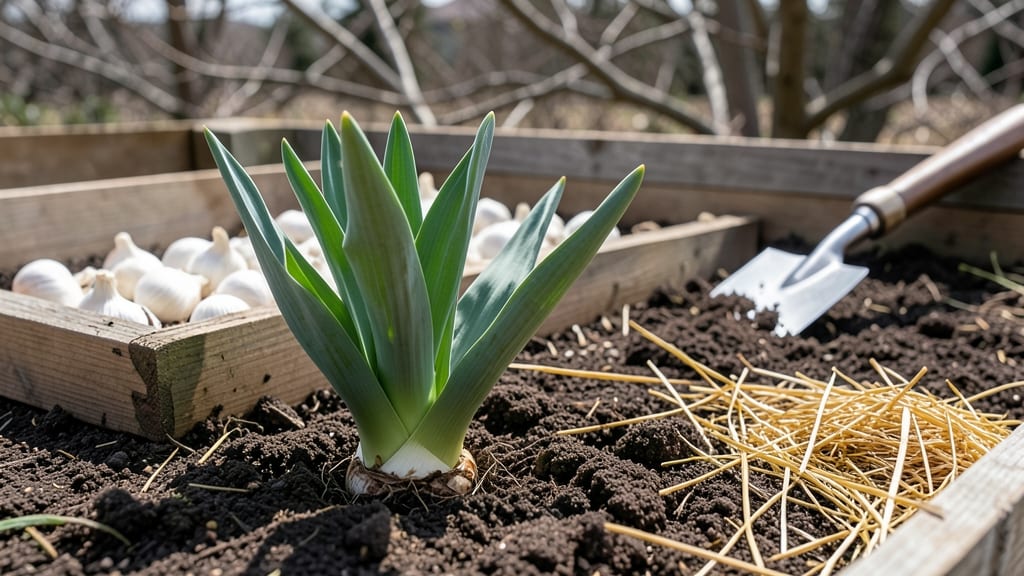
Planting garlic in Alabama at the wrong time can mean the difference between a bumper crop and wasted effort—but timing it right guarantees bold, flavorful bulbs by spring.
Alabama’s 7b-8a climate gives gardeners a narrow window to plant 🧄 before winter sets in, and missing it could leave you with stunted growth or no harvest at all.
Most Alabama gardeners swear by fall planting between October and November, when soil temps drop and frost is just around the corner. This method lets garlic establish roots before winter dormancy, setting the stage for a robust spring harvest.
But did you know regional differences in Alabama—like the cooler North versus the milder South—can shift your ideal planting dates by weeks?
In this guide, I’ll break down the exact months to plant based on your Alabama zone, plus soil prep tips to ensure your garlic thrives.
Whether you’re a beginner or a seasoned gardener, these insights will help you avoid common pitfalls and grow garlic that’s plump, pungent, and ready to cook with by April or May.
Ready to turn your Alabama garden into a garlic powerhouse? Let’s dive into the best planting schedule and variety choices tailored to your local climate.
Best months to plant garlic in Alabama (fall planting schedule by region)
Alabama’s mild winters and humid summers create the perfect conditions for growing garlic, but timing is everything. The ideal window for planting garlic in Alabama is October through November, giving bulbs time to establish roots before winter dormancy.
This fall planting ensures a spring harvest just as your kitchen needs fresh flavors!
Garlic thrives when planted 4-6 weeks before the ground freezes. In Alabama’s USDA Zones 7b-8a, this typically means planting between mid-October and early November. For gardeners in North Alabama (cooler microclimates), aim for the earlier end of this window, while South Alabama gardeners can plant slightly later.
If you miss the fall window, don’t worry—you can still plant garlic in early February for a summer harvest. However, spring-planted garlic often yields smaller bulbs compared to the robust harvests from fall planting.
Here’s the key: Plant garlic when soil temperatures drop below 70°F but before hard frosts hit. In Alabama, this usually aligns with October-November, but always check your local last frost dates for precision.
🌱 Alabama Garlic Planting Schedule by Region
| Region | USDA Zone | Best Planting Window | Soil Temp Goal | Notes |
|---|---|---|---|---|
| North Alabama | 7a-7b | Mid-October to late October | Below 70°F | Cooler temps; plant earlier |
| Central Alabama | 7b-8a | Late October to early November | Below 70°F | Moderate climate; flexible window |
| South Alabama | 8a-8b | Early November to mid-November | Below 70°F | Warmer; plant later |
For hardneck garlic varieties (like Music or Silverskin), fall planting is a must—they need cold exposure to form bulbs. Softneck garlic (like Artichoke), however, is more flexible and can handle slightly later plantings if you’re in South Alabama.
Pro tip: Use a soil thermometer to confirm temperatures are below 70°F before planting. If you’re unsure, err on the earlier side—garlic planted too late may not mature properly before summer heat arrives.
Once planted, mulch with straw or leaves to insulate bulbs during winter. This protects them from freeze-thaw cycles and keeps soil temps stable. By spring, you’ll have plump, flavorful bulbs ready to harvest just as your garden winds down for the season!
Missed the fall window? Don’t panic! Planting in early February still yields edible garlic, though bulbs may be smaller. Just be prepared for hot summer harvests and potential pest challenges.
🌱
Best months to plant garlic in Alabama (fall planting schedule by region)
Alabama’s mild winters and humid summers create perfect conditions for garlic—but only if you plant at the right time. Most gardeners in USDA Zones 7b-8a should focus on fall planting for a spring harvest, though early spring planting works too.
The key? Planting 4-6 weeks before the first hard frost, which typically hits mid-December to early January across the state.
Timing varies by region: North Alabama (like Huntsville) has earlier frosts, while South Alabama (like Mobile) can plant later. Hardneck varieties thrive in cooler climates, while softneck types handle Alabama’s warmth better. Miss the window, and you’ll end up with small, pungent bulbs instead of plump, flavorful harvests.
| Region | Best Planting Window | Hardiness Zone | Variety Recommendation |
|---|---|---|---|
| North Alabama (Huntsville) | October 1–15 | 7a-7b | Hardneck (Music, German White) |
| Central Alabama (Birmingham) | October 15–30 | 7b-8a | Hardneck or Softneck (Silverskin) |
| South Alabama (Mobile) | November 1–15 | 8a-8b | Softneck (Artichoke, Creole) |
For spring planting, aim for early February—but expect smaller yields. Spring-planted garlic matures faster but struggles in Alabama’s heat. If you’re in doubt, fall planting wins for flavor and size. Pro tip: Use a soil thermometer to ensure temps stay above 50°F for root growth.
Alabama’s clay-heavy soils can cause drainage issues, so amend with compost before planting. Avoid planting garlic where onions or leeks grew last year to prevent disease. And if you’re using organic seeds, source them from local nurseries like Alabama Cooperative Extension for the best regional fit.
Missed the fall window? Don’t panic—just mark your calendar for next October. Garlic is a perennial crop, meaning it’ll come back year after year if cared for properly. With the right timing, you’ll be harvesting plump bulbs in April or May, ready to boost any dish.
🌱