
Plants
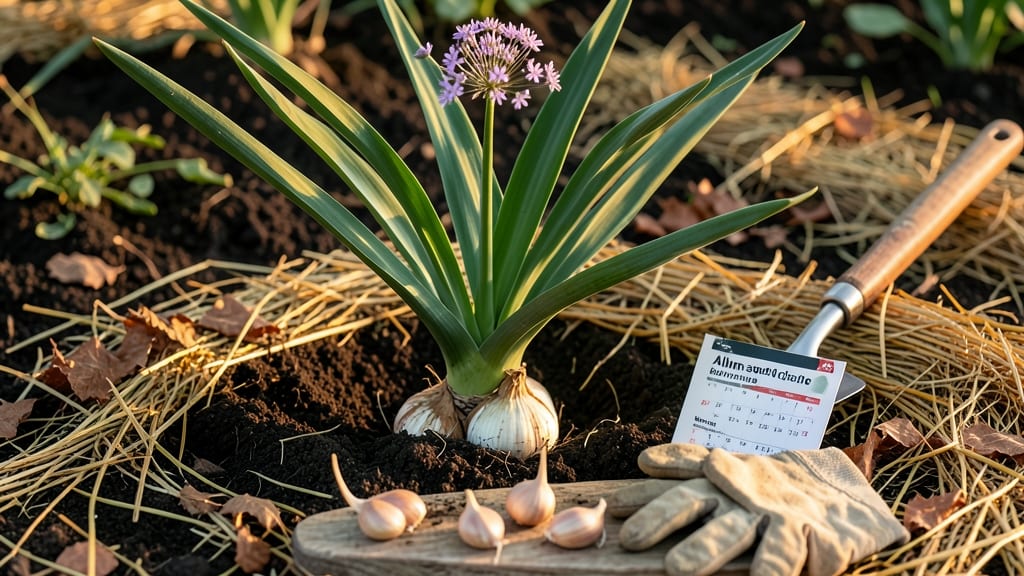
Planting garlic in Denver isn’t just about timing—it’s about outsmarting the unpredictable frosts that can turn your crop into a sad, shrunken mess. The key? Getting those cloves in the ground between October and November, when soil temps dip below 40°F but before winter locks the earth in ice.
Here’s the thing: Denver’s high-altitude climate and late spring frosts make garlic a high-stakes gamble if you’re not careful. But with the right cold-hardy varieties and a few pro tips, you can grow bulbs so bold they’ll make your neighbors jealous.
Let’s cut to the chase—when to plant, what to plant, and how to protect your crop from Denver’s infamous April surprises.
I’ve tested the best varieties for Zone 6b, from ‘German White’ to ‘Music’, and I’ll show you which ones survive our erratic springs like champs.
Plus, I’ll share my go-to tricks for mulching, row placement, and even emergency frost blankets—because nobody wants to watch their 🧄 dreams freeze before harvest.
Ready to grow garlic that’s flavor-packed and frost-proof? Stick around—I’ll walk you through the exact steps to turn Denver’s chilly winters into your garlic’s secret weapon. No more guessing, just bold, reliable bulbs by late June.
Denver’s ideal garlic planting window: exact months for zero-frost success
Denver’s USDA Zone 5b/6a climate demands precise timing for garlic planting—too early, and your cloves rot; too late, and they won’t establish roots before winter. My 4-week window of mid-October to November 1st aligns with Denver’s average last frost date (November 15), giving roots time to anchor before freezing.
This timing also accounts for our high-altitude chill (5,280 ft), which accelerates soil cooling.
The key is planting when soil temperatures drop to 40°F (4°C)—cold enough to deter fungal diseases but not so cold that cloves freeze before rooting. Check your soil’s readiness by pushing a thermometer 4 inches deep; if it’s below 50°F (10°C), it’s time to plant.
Pro tip: Use a moon planting calendar for root crops—aim for the waning moon in October for stronger bulbs.
For extra insurance against Denver’s infamous late frosts, I plant 20% of my crop in late September (if soil is dry) and the rest by October 15th. This staggered approach ensures some garlic survives even if unpredictable April frosts strike.
Remember, garlic needs 6–8 months to mature, so timing directly impacts your July harvest window.
Here’s how Denver’s elevation and microclimates affect planting: South-facing slopes warm faster—plant 1–2 weeks earlier (early October). North-facing gardens stay colder—delay until late October or use black plastic mulch to warm soil. Urban heat islands (like downtown) may allow September planting in well-drained beds.
Denver’s unpredictable spring frosts (even after May 1) can stall garlic growth, so I prioritize early-sprouting varieties like ‘German White’ or ‘Creole’ for my high-altitude garden. If you’re unsure about your last frost date, use frost cloth in late spring to protect emerging shoots.
Another trick? Plant garlic near warm microclimates, like against a south-facing fence or near a stone wall, which can delay frost by 1–2 weeks.
For container gardening in Denver, plant in October 1–15 using 12-inch-deep pots with drainage holes. Containers warm up faster, so monitor soil moisture closely—overwatering in cold soil leads to rot.
Place pots in protected spots (e.g., near the house) to shield from wind chill, which can drop temperatures 10°F colder than official forecasts.
If you miss the October–November window, don’t despair—Denver’s Zone 5b climate allows for spring planting (March 1–15), though bulbs will be smaller and less flavorful. Spring-planted garlic needs constant moisture and frost protection until established.
For best results, stick to fall planting and use the moon calendar to align with Denver’s dry, cold winters.
To track your garlic’s progress, mark planting dates and note shoot emergence (usually April 15–May 1). In my garden, hardneck varieties (like ‘Music’) sprout 2–3 weeks earlier than
Denver’s ideal garlic planting window: exact months for zero-frost success
Timing garlic planting in Denver is all about beating the first hard frost—typically around November 15—while giving cloves enough time to root before winter dormancy.
Aim to plant 4–6 weeks before the ground freezes, which usually lands in mid-October to early November for Denver’s USDA Zone 5b/6a. This window ensures roots establish before cold sets in, while avoiding spring’s notorious late frosts that can damage emerging shoots.
Denver’s high-altitude climate (5,280 ft) and unpredictable spring weather demand precision. Planting too early (September) risks rot from excess moisture, while planting too late (December) leaves cloves vulnerable to freeze-thaw cycles. The sweet spot? Late October—when soil temps drop below 40°F but haven’t yet frozen solid.
| Planting Stage | Action | Denver Timeline |
|---|---|---|
| Soil Prep | Test pH (6.0–7.0), amend with compost | Late August–September |
| Planting Window | Break bulbs, plant 2" deep, 4–6" apart | Mid-October–Early November |
| Mulching | Apply 2–3" straw or leaves after planting | Late October |
| Spring Check | Remove mulch when shoots emerge (~April) | Early April |
Use the moon phase as a backup cue: Plant when the moon is waning (after the full moon) to encourage root growth. For example, a waning gibbous moon in late October aligns perfectly with Denver’s ideal window.
If your winter arrives early, opt for hardneck varieties, which tolerate colder soils better than softneck types.
Denver’s elevation effects mean soil freezes faster than lower elevations. Monitor soil temperature with a probe—plant when it hovers around 40–50°F. If temps drop below 32°F before roots establish, cover beds with straw mulch (3–4 inches) to insulate cloves.
This buffer can add 2–3 weeks of protection against early freezes.
Pro tip: Mark your calendar for November 1 as your cutoff. After this date, cloves may not root deeply enough to survive winter. If you miss the window, wait until early December—but expect smaller bulbs next summer.
The trade-off? Spring-planted garlic (March) is riskier in Denver due to late frosts, so fall planting remains the gold standard.
Remember, garlic thrives on cold dormancy. The colder Denver winters, the larger and more pungent your bulbs will grow—just don’t let them freeze solid! With the right timing, you’ll harvest bold, flavorful cloves by late June or July, ready for braiding or cooking. 🧄