
Plants
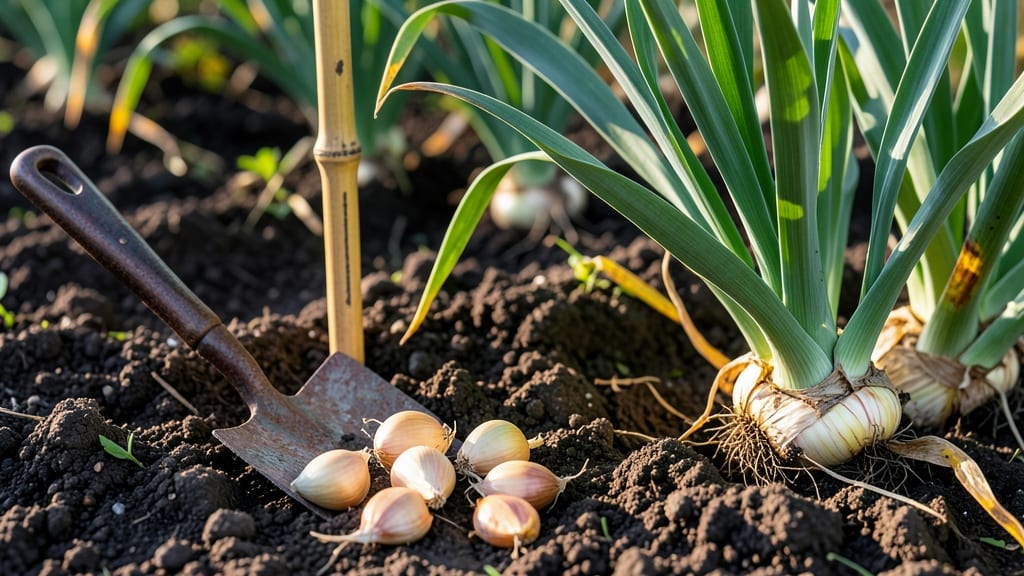
Timing your 🧄 garlic planting in Adelaide could make or break your harvest—get it wrong, and you might end up with weak, flavorless bulbs or even no crop at all. Unlike other regions, Adelaide’s mild winters and hot summers mean you can’t just follow generic planting advice.
The best time to plant garlic here is during autumn, specifically between March and May, when soil temperatures are cool but still workable.
Why does this matter? Because garlic thrives in cooler conditions, and planting too early or too late can lead to poor bulb development. In Zone 9 (where Adelaide falls), the key is to get those cloves in the ground before the soil heats up in summer.
I’ve seen gardeners in the region struggle when they plant outside this window—only to watch their garlic bolt or rot before harvest.
But here’s the good news: with the right timing and a few local tweaks, you can grow bold, flavorful garlic that’s perfect for cooking. I’ll walk you through the exact months to plant, how to prep Adelaide’s often alkaline soil, and even common mistakes to avoid.
Let’s make sure your garlic grows strong and your kitchen stays stocked with homegrown goodness.
Whether you’re a seasoned gardener or just starting out, nailing the planting window is the most important step. By the end of this guide, you’ll know exactly when to plant your garlic in Adelaide—and how to set it up for success from day one.
Best planting months for garlic in Adelaide: hardneck vs softneck breakdown
Adelaide’s mild winters and warm summers create a perfect window for growing garlic, but timing matters. Unlike northern climates, you don’t need frost to trigger bulb formation—just cool soil temperatures between 10°C and 15°C (50°F–59°F).
This happens naturally in autumn and early winter, making March to May your ideal planting window.
Hardneck varieties like ‘Silverskin’ or ‘Purple Stripe’ thrive in Adelaide’s climate, producing those prized hardneck scapes (the curly flower stalks). Softneck types like ‘Artichoke’ store better but need slightly warmer soil—so adjust your timing based on your microclimate.
Coastal areas can plant a month earlier than inland spots due to cooler ocean breezes.
Here’s how to match your garlic type to Adelaide’s seasons for maximum success:
If you miss the ideal window, don’t panic—June planting is still possible, but expect smaller bulbs and fewer scapes. The key is ensuring soil temps stay below 20°C (68°F) during active growth. Use a soil thermometer to check depth (5cm/2in) before planting.
Pro tip: Plant hardneck varieties first in March for early scapes (harvest in September–October). Save softnecks for April to avoid heat stress during bulb formation. Adelaide’s summer heatwaves can cause garlic to bolt prematurely, so prioritize shade-cloth if planting late.
For coastal Adelaide (e.g., Glenelg, Semaphore), lean toward March planting—ocean winds keep soils cooler longer. Inland areas (e.g., Gumeracha, Barossa) should wait until mid-April to avoid winter heatwaves that can stall growth. Always test your soil’s drainage first—garlic hates soggy roots!
Remember: Adelaide’s lack of frost means no natural dormancy trigger, so rely on day-length changes instead. Aim to plant when daylight hours drop below 12, signaling garlic to focus on bulb development. This usually aligns with late March to early April.
Once planted, mulch with straw or lucerne hay to insulate roots from temperature swings. In summer, this mulch layer will also suppress weeds and retain moisture—critical during Adelaide’s dry spells. Just keep mulch 2–3 inches away from stems to prevent rot.
Harvest timing varies by variety: Hardnecks are ready by October–November, while softnecks may need until December. Look for brown lower leaves and papery skins—these are your cues. In Adelaide’s heat, harvest early to avoid bulbs splitting open in the sun.
How to prepare Adelaide soil for maximum garlic yield
Adelaide’s alkaline soils and clay-heavy textures can challenge garlic growth, but with the right prep, you’ll set your crop up for success. The key is improving drainage, balancing pH, and adding organic matter—all tailored to our local conditions.
Let’s break it down into actionable steps so your garlic thrives from the first clove to harvest.
Start by testing your soil’s pH level. Garlic prefers a slightly acidic to neutral range of 6.0–7.0. Adelaide’s soils often skew alkaline (higher than 7.0), which can stunt growth. Use a simple soil test kit from your local nursery—it’s the first step to unlocking bigger, healthier bulbs.
If your soil is too alkaline, amend it with sulfur or peat moss to lower the pH gradually over a few months.
- ☑️ Test soil pH (aim for 6.0–7.0)
- ☑️ Loosen clay soil with gypsum or compost
- ☑️ Add aged compost (2–3 inches deep)
- ☑️ Mulch with straw to retain moisture
- ☑️ Avoid fresh manure (can burn cloves)
Next, tackle drainage. Adelaide’s clay soils can become compacted, trapping water and suffocating roots. Work in gypsum or coarse sand to break up heavy clay before planting. For raised beds, mix in composted organic matter like leaf mold or well-rotted cow manure.
This improves aeration and helps roots access nutrients more easily. Aim for a well-draining, loose soil that crumbles like cake when moist.
Garlic thrives in nutrient-rich soil, so don’t skimp on organic amendments. Spread a 2–3 inch layer of compost over the planting area and mix it into the top 6 inches of soil.
If your garden soil is sandy, add a bit of peat moss or coconut coir to help retain moisture. For clay soils, focus on compost and gypsum to improve structure without waterlogging the bed.
Once your soil is prepped, create small planting trenches or hills about 2 inches deep. Space them 6–8 inches apart to give bulbs room to grow. After planting, apply a 2-inch layer of straw mulch around each clove.
This keeps soil moisture consistent, suppresses weeds, and protects against Adelaide’s hot summer winds. Replenish mulch as it breaks down to maintain a protective barrier.
Finally, avoid overworking the soil—garlic roots are delicate and prefer a loose, undisturbed environment. Once planted, only water deeply and let the mulch do the heavy lifting. With these steps, your Adelaide garden will provide the perfect foundation for plump, flavorful garlic bulbs ready for harvest in late spring.
Remember: patience is key. Garlic grows slowly, especially in our mild winters, so resist the urge to check on it too often. Let the soil do its work, and you’ll be rewarded with a harvest that’s the envy of every Adelaide gardener. 🌱