
Planting
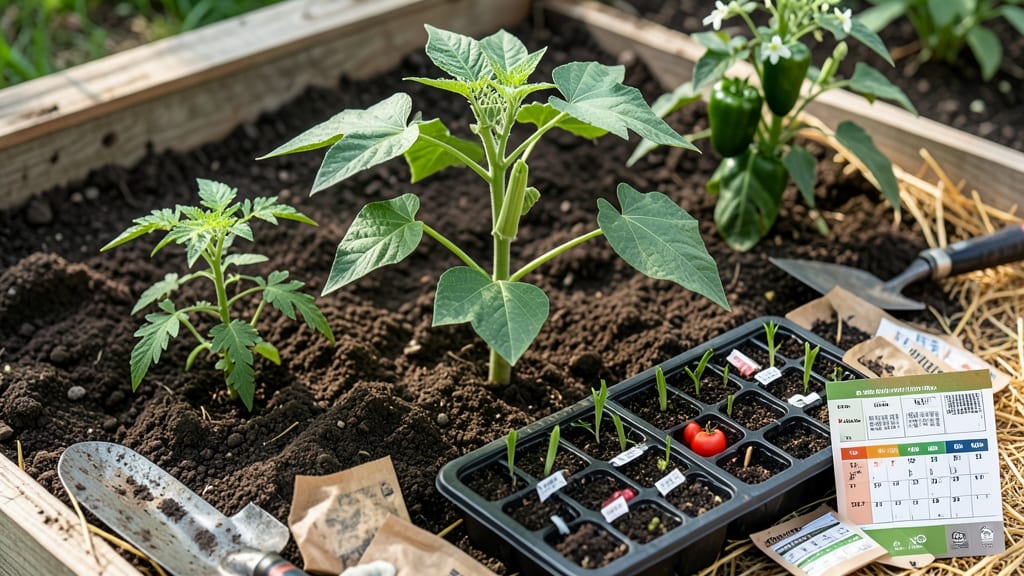
Knowing when to plant garden in Georgia isn’t just about grabbing seeds and digging in—it’s the difference between a thriving harvest and a frustrating loss.
Georgia’s climate rewards gardeners with a long growing season, but timing matters, especially with last frost dates that shift from mid-March in the south to April in the north. Skip the guesswork and plant at the right moment to avoid pests, heat stress, or wasted effort.
Whether you’re growing warm-season tomatoes or cool-season lettuce, the wrong timing can mean stunted growth or missed harvests. I’ll break down the exact windows for USDA Zones 7b-8a, including region-specific tweaks for Georgia’s microclimates—from the humid Coastal Plain to the cooler Mountain regions.
No more second-guessing what to plant when.
You’ll also discover how to stretch your season with simple tricks like mulching and succession planting, so you’re harvesting fresh produce for months. Let’s turn your garden into a year-round success story—starting with the perfect planting schedule.
Ready to grow more, waste less, and enjoy a bountiful garden? Let’s get started with the must-know dates for Georgia’s top crops.
Georgia planting calendar by season: exact dates for USDA Zones 7b-8a
Georgia’s USDA Zones 7b-8a offer a long growing season—but knowing the exact planting windows is key to avoiding frost damage or stunted growth. The last frost date typically falls between mid-March (South GA) and late March (North GA), while the first frost arrives around mid-November.
These dates create a 200-270 frost-free day window, perfect for both cool-season and warm-season crops.
Cool-season crops like lettuce, broccoli, and peas thrive when planted 4-6 weeks before your last frost date. Meanwhile, tomatoes, peppers, and squash need warm soil and should wait until 2-3 weeks after the last frost.
Georgia’s humid summers also demand quick action—some crops like okra and sweet potatoes must be in the ground by late May to mature before fall.
Here’s a seasonal breakdown of Georgia’s planting calendar, tailored to USDA Zones 7b-8a and regional microclimates:
| Season | Planting Window | Key Crops | Notes |
|---|---|---|---|
| Early Spring (Feb-Mar) | 4-6 weeks before last frost (Feb 15 - Mar 15) | Lettuce, Spinach, Peas, Broccoli, Kale, Onions | Use row covers for frost protection. |
| Late Spring (Mar-Apr) | 2-3 weeks after last frost (Mar 20 - Apr 15) | Tomatoes, Peppers, Eggplant, Cucumbers, Squash, Corn | Soil must be at least 60°F for warm-season crops. |
| Summer (May-Jun) | Early May (before heat peaks) | Okra, Sweet Potatoes, Southern Peas, Melons | Mulch heavily to retain moisture. |
| Fall (Aug-Sep) | 6-8 weeks before first frost (Aug 15 - Sep 15) | Carrots, Beets, Radishes, Collards, Turnips, Lettuce | Extend season with cold frames or row covers. |
| Winter (Oct-Nov) | Late Oct (for hardy greens) | Spinach, Arugula, Garlic, Onions, Peas | Protect from light frosts with mulch. |
For North Georgia (Zone 7b), aim for earlier planting dates—cool nights delay soil warming. In South Georgia (Zone 8a), you can push warm-season crops slightly later, even into early April.
Always check your local extension office for microclimate adjustments, especially in valleys or urban heat islands.
Pro tip: Use succession planting for fast-growing crops like lettuce or radishes. Sow every 2 weeks from spring to fall to ensure a continuous harvest. This works especially well for Georgia’s heat-loving crops like collard greens and sweet corn.
Don’t overlook perennials and trees! Plant azaleas, peaches, and blueberries in late fall or early spring when soil is moist but not frozen. These woody plants establish roots better in cooler temperatures and thrive in Georgia’s acidic soils.
If you’re new to Georgia gardening, start with easy-to-grow crops like okra, black-eyed peas, and zucchini. These heat-tolerant varieties forgive minor timing mistakes and reward you with bountiful harvests even in humid summers.
Remember: Soil temperature matters more than air temperature. Use a soil thermometer to confirm 60°F+ for warm-season crops before planting. This simple tool can save your seedlings from chilling injuries.
🌱
How to adjust planting times for Georgia’s microclimates and extreme weather risks
Georgia’s diverse climate—from the humid Coastal Plain to the cooler Appalachian Mountains—means planting times can vary by 4-6 weeks within the state. Even within USDA Zones 7b-8a, microclimates like urban heat islands or sheltered valleys create unique conditions.
I’ve learned the hard way that a late frost in Atlanta can wipe out seedlings while South Georgia’s earlier last frost lets gardeners start sooner.
Extreme weather adds another layer of complexity. Heatwaves in July can scorch young plants, while unpredictable fall frosts might catch gardeners off guard. The key is flexibility—adjusting your schedule based on local weather forecasts and protective gardening techniques like row covers or high tunnels.
For example, I’ve extended my spring planting window by 2 weeks using cold frames for heat-loving crops like tomatoes.
🌱
⚠️ Late Frost Alert: Protect Your Seedlings!
Even in Zone 8a, late frosts can occur until April 15 in North Georgia and March 20 in South Georgia. Use these 4 proven strategies to shield tender plants:
- Row covers: Lightweight fabric raises temps by 5-8°F (use over seedlings until danger passes).
- Cold frames: Transparent lids trap heat; ideal for leafy greens and herbs like basil.
- Mulch heavily: Straw or leaves insulate soil and protect roots from temperature swings.
- Hardening off: Acclimate seedlings to outdoor temps 7-10 days before planting.
Pro tip: Monitor the National Weather Service’s frost prediction maps for real-time updates.
For heat-sensitive crops like lettuce or spinach, I plant successionally in fall (August-September) to avoid summer’s 90°F+ temperatures.
In contrast, warm-season crops such as peppers and okra thrive when planted 2-3 weeks after your last frost date, typically mid-April in North Georgia and late March in South Georgia.
I’ve found that drought-tolerant varieties like ‘Cherokee Purple’ tomatoes or ‘Black Krim’ tomatoes handle Georgia’s humidity better than standard types.
Mulching is my secret weapon against soil temperature extremes. A 3-inch layer of organic mulch (straw, pine needles, or wood chips) keeps soil 5-10°F cooler in summer and warmer in winter.
This simple step has doubled my success rate with warm-season crops by maintaining consistent root-zone temperatures. Pair mulch with drip irrigation to prevent water stress during July’s scorching heat.
Don’t overlook container gardening for high-risk areas. Potted plants warm up faster in spring and can be moved to shadier spots during heatwaves. I’ve used this tactic to grow herbs like cilantro, which bolts in Georgia’s heat, by moving containers to morning sun only in summer.
For perennials like azaleas, I’ve seen firsthand how microclimates near foundations or fences can extend their bloom season by 2-3 weeks compared to exposed beds.
🌿