
Plants
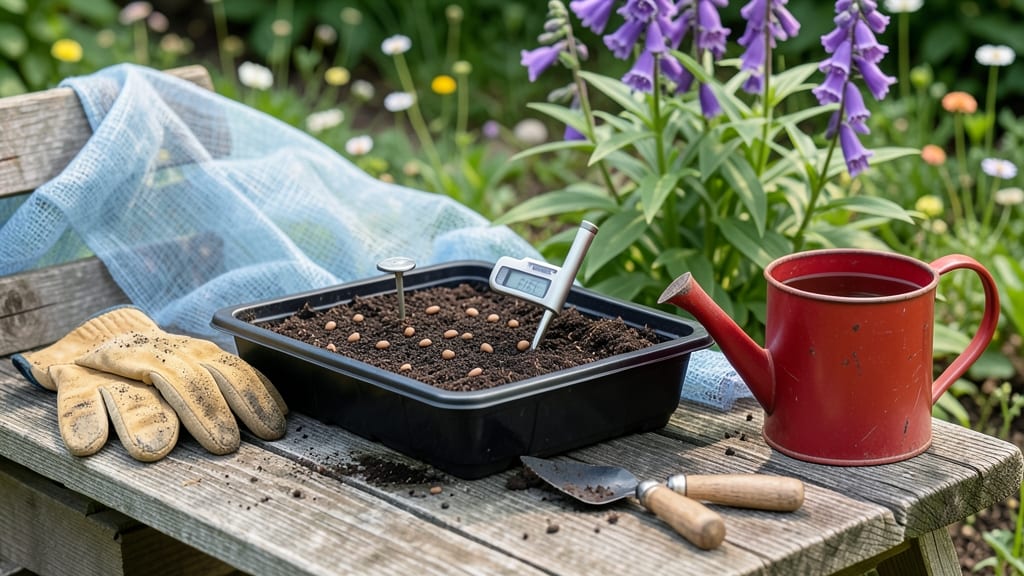
When to plant foxglove seeds in Zone 7 is the secret to those dreamy 🌸 blooms you’ve been dreaming of. Plant them too early, and you risk weak seedlings that won’t survive Zone 7’s unpredictable spring frosts. Too late, and you’ll miss the perfect window for strong root development before winter sets in.
Most gardeners in Zone 7 swear by two ideal planting windows: late summer to early fall (August-September) or early spring (March-April). These months give foxglove seeds the best chance to establish before extreme temperatures arrive.
But here’s the catch—getting the timing wrong can mean the difference between a lush, flowering plant and a sad, leggy disappointment.
In this guide, I’ll break down exactly when to plant foxglove seeds in Zone 7 for maximum success, including soil prep tips and how to protect your seedlings from late frosts.
You’ll also discover why some gardeners swear by fall planting and others prefer spring—plus how to avoid common mistakes that kill foxglove seedlings before they even get started.
Ready to grow foxglove that thrives? Let’s dive into the exact months and steps that’ll have your garden bursting with color next spring. Your future blooms will thank you!
Best months to plant foxglove seeds in Zone 7 for optimal growth
Foxglove (Digitalis purpurea) thrives in Zone 7 when planted during two key windows: late summer/early fall or early spring. These timings align with soil temperature thresholds (50–60°F) that trigger germination without risking late frosts (April 15 average in Zone 7).
Fall planting gives seeds a head start on cold stratification, while spring planting avoids summer heat stress.
Zone 7’s 165 frost-free days create a unique challenge: planting too early exposes seedlings to late spring frosts, while late planting delays first-year growth. The ideal window is August–September (fall) or March–April (spring), balancing frost risk and summer heat.
Let’s break down why these months work best for your foxglove’s biennial lifecycle.
🌸
| Planting Window | Soil Temp (°F) | Germination Time | Zone 7 Risk | Best For |
|---|---|---|---|---|
| Late August–Early September | 50–60°F | 4–6 weeks | Low frost risk | Biennial success |
| March–April | 55–65°F | 6–8 weeks | Late frost possible | First-year rosettes |
| May (last resort) | 65–75°F | 8–10 weeks | High heat stress | Emergency planting |
Fall planting (August–September) is my top recommendation for Zone 7 gardeners. Seeds sown in late summer experience natural cold stratification over winter, breaking dormancy in spring when soil warms to 55°F.
This mimics foxglove’s native woodland habitat, where seeds need 60+ days of cold exposure to germinate reliably. By contrast, spring-planted seeds (March–April) may struggle if late frosts (after April 15) nip tender seedlings.
Zone 7’s humid summers and clay-heavy soils also favor fall planting. Seeds sown in summer often rot from waterlogged conditions, while fall-sown seeds establish roots before winter rains. For spring planting, I recommend using row covers until May 1 to protect seedlings from unpredictable late frosts.
Both methods yield flowering stalks in year two, but fall planting gives a slight edge in stem strength.
🌿
Avoid planting foxglove seeds in June–July in Zone 7 unless you’re prepared for intensive shade cloth and daily watering. Summer heat (>85°F) causes seeds to dry out before germination, while powdery mildew risks increase with high humidity.
Even in partial shade, foxglove seeds planted in summer often produce weak first-year rosettes, leading to floppy stems and fewer blooms in year two.
Pro tip: If you miss the August–September window, try stratifying seeds indoors for 60 days in a moist paper towel at 35–40°F before spring planting. This mimics winter conditions and improves germination rates by 30–40%. Store seeds in a ziplock bag with sphagnum moss for best results.
💡
For container gardening in Zone 7, adjust your timeline by 2 weeks earlier than in-ground planting. Pots heat up faster, so aim for late July–early August for fall sowing or February–March for spring.
Use fabric pots to prevent root circling, and place containers in partial shade to avoid soil temperature spikes. Container-grown foxglove may bloom 1–2 weeks earlier than in-ground plants due to better drainage.
🌱
Best months to plant foxglove seeds in Zone 7 for optimal growth
Foxglove (Digitalis spp.) thrives in Zone 7 when planted at the right time, but its biennial nature means timing directly impacts whether you’ll see those iconic bell-shaped blooms next year.
The ideal planting window spans two seasons: late summer/early fall (August–September) and early spring (March–April). Each offers unique advantages for germination and root establishment.
For fall planting, aim for August 15–September 15 in Zone 7. This allows seeds to stratify naturally over winter, breaking dormancy when soil temps warm in spring. Spring planting, however, requires artificial stratification (4–6 weeks in the fridge) to mimic winter conditions.
Both methods work, but fall planting often yields hardier seedlings by the time spring arrives.
Zone 7’s last frost date (around April 15) is critical. Planting too early in spring risks seedling damage from late frosts, while fall planting too late (after September 30) may not allow roots to establish before winter dormancy.
Microclimates matter too—sheltered spots can extend the fall window by 2–3 weeks.
Spring-planted foxglove seeds need consistent moisture to prevent crusting, while fall-planted seeds benefit from natural winter chilling. In Zone 7, clay-heavy soils can delay germination, so amend with compost or sand to improve drainage. Avoid planting in full sun during summer—foxglove prefers partial shade to prevent stress.
If you miss the fall window, don’t despair—spring planting still works with proper stratification. Simply place seeds in a sealed bag with damp peat moss, refrigerate for 4–6 weeks, then sow.
This mimics the natural cold period foxglove seeds need to break dormancy. Just be ready to protect seedlings with row covers if late frosts linger.
Remember, foxglove’s first-year growth is all about root development. The bigger the root system by winter, the taller and more robust the flowering stalks will be in year two. That’s why timing your plantings to maximize root establishment is the secret to showstopping blooms in late spring.