
Flowers
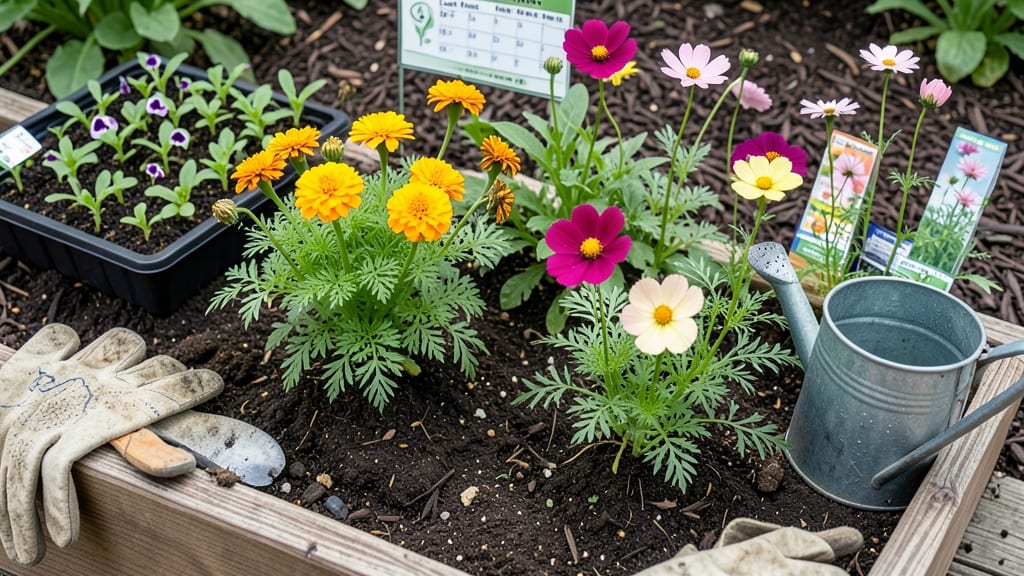
Timing your flower seeds planting in Indiana can make the difference between a vibrant garden and a disappointment—especially when unpredictable frost dates loom.
The USDA Zone 5B-6A climate means you’ve got a narrow window to get seeds in the ground without risking damage, and missing it could delay your blooms by months.
I’ve spent years testing the best planting schedules for Indiana’s spring and fall seasons, and what I’ve learned will help you avoid common mistakes. Whether you’re dreaming of June marigolds or fall cosmos**, knowing exactly when to start seeds indoors or direct-sow outdoors is the key to success.
From early March sowings to late-summer replanting, this guide breaks down the ideal planting calendar for your region. We’ll cover how to adjust for Indiana’s microclimates, protect tender seedlings, and even extend your bloom season with smart strategies.
Ready to transform your garden into a year-round floral show? Let’s dive into the perfect planting times and tips that will keep your 🌸 flower seeds thriving—no matter what Mother Nature throws your way.
Indiana flower seed planting calendar by month: best times for annuals & perennials
Indiana’s USDA Zones 5B-6A mean your planting timeline must balance last frost dates (typically April 15) with soil warmth. Most flower seeds thrive when soil hits 60°F (15°C), usually by mid-May in northern Indiana and late April in southern regions.
Start with cool-season flowers like pansies in early spring, then transition to heat-loving annuals like zinnias in summer.
For annual flowers, aim to sow seeds 4-6 weeks before your area’s last frost date. Perennials often need direct sowing in spring or fall planting for better root establishment. Always check seed packets for specific germination requirements, as some varieties (like sweet peas) prefer early fall sowing.
Here’s your month-by-month guide to planting flower seeds in Indiana, including ideal varieties and key tips:
| Month | Best Flowers to Plant | Soil Temp Requirement | Planting Tip |
|---|---|---|---|
| February | Pansies, Snapdragons, Sweet Peas | 45-55°F (7-13°C) | Start indoors under grow lights; harden off before transplanting. |
| March | Calendula, Larkspur, Sweet Alyssum | 50-60°F (10-15°C) | Cover seeds with row fabric to protect from late frosts. |
| April | Zinnias, Marigolds, Sunflowers | 60-70°F (15-21°C) | Wait until soil is warm; direct sow after last frost. |
| May | Cosmos, Nasturtiums, Petunias | 65-75°F (18-24°C) | Use mulch to retain moisture during dry spells. |
| June | Portulaca, Vinca, Gomphrena | 70-80°F (21-27°C) | Choose drought-tolerant varieties for summer heat. |
| August-September | Black-Eyed Susans, Coneflowers, Goldenrod | 55-65°F (13-18°C) | Fall planting gives perennials time to establish roots. |
For cool-season flowers like pansies or snapdragons, you can even start seeds indoors in February to get a head start. These varieties tolerate light frosts and will reward you with early blooms.
Meanwhile, heat-loving annuals like zinnias or marigolds should wait until after May 1 in most of Indiana to avoid stunted growth.
Don’t overlook fall planting for perennials! Seeds sown in August-September often germinate slowly but establish strong roots before winter. Black-eyed Susans and coneflowers are excellent choices for this strategy. Just ensure seeds have 4-6 weeks of warm soil before the first frost.
Pro tip: Use a soil thermometer to confirm temperatures before planting. If your soil is still below 55°F (13°C), wait a week or two—cold soil slows germination and can lead to seed rot. For extra protection, try a mini greenhouse or row cover to warm the soil faster.
Indiana’s summer heat can be brutal on young seedlings, so always plant afternoon shade for the first week or two. Water deeply in the morning to prevent fungal diseases, and avoid overhead watering once flowers appear. Mulching with straw or shredded leaves helps retain moisture and regulates soil temperature.
For succession planting, sow fast-growing annuals like bachelor’s buttons or cosmos every 2-3 weeks from May through July. This ensures continuous blooms and prevents gaps in your garden’s color palette. Keep a planting journal to track what works best in your microclimate!
🌱
How to adjust planting dates for Indiana’s microclimates: northern vs southern regions
Indiana’s USDA Zones 5B and 6A might seem similar, but the difference between northern Indiana (like Gary or Fort Wayne) and southern Indiana (like Louisville or Evansville) can shift your planting window by 2-3 weeks.
In Zone 5B, the last frost typically arrives around April 15, while Zone 6A sees frost-free conditions by April 1—a critical difference for heat-loving flowers like petunias or marigolds.
Southern Indiana’s warmer microclimate also means soil warms faster in spring, allowing earlier sowings of cool-season flowers like pansies or snapdragons. Meanwhile, northern gardeners often need to wait until late April or early May to avoid frost damage. Let’s break down the key adjustments for your region.
| Factor | Northern Indiana (Zone 5B) | Southern Indiana (Zone 6A) |
|---|---|---|
| Last Frost Date | April 15 | April 1 |
| Soil Warms to 60°F | Late April | Early April |
| Best Time for Petunias | After May 1 | After April 15 |
| Black-Eyed Susan Seedlings | Start indoors March 1 | Start indoors February 15 |
| Fall Planting Window | Ends September 15 | Ends October 1 |
| Snapdragon Tolerance | Direct sow after May 10 | Direct sow after April 20 |
For northern Indiana gardeners, prioritize early starts indoors for heat-loving annuals like cosmos or zinnias—these need 6-8 weeks of warmth before transplanting. In contrast, southern Indiana’s longer growing season lets you experiment with late-summer sowings of sunflowers or bachelor’s buttons for fall blooms.
Pro tip: Check your local Purdue Extension office for hyper-local frost data—some years, a late freeze can push back planting by weeks. I’ve also found that elevated garden beds warm up faster in Zone 5B, giving you an extra week to plant.
Adjusting for microclimates isn’t just about dates—it’s about plant selection. In cooler northern areas, opt for cold-hardy flowers like lupines or delphiniums, while southern gardens thrive with tropical varieties like hibiscus or canna lilies. The right choices make all the difference.
🌱 Whether you’re in Gary or Louisville, these adjustments will help you avoid frost damage and maximize your bloom season—no matter where in Indiana you garden.