
Plants
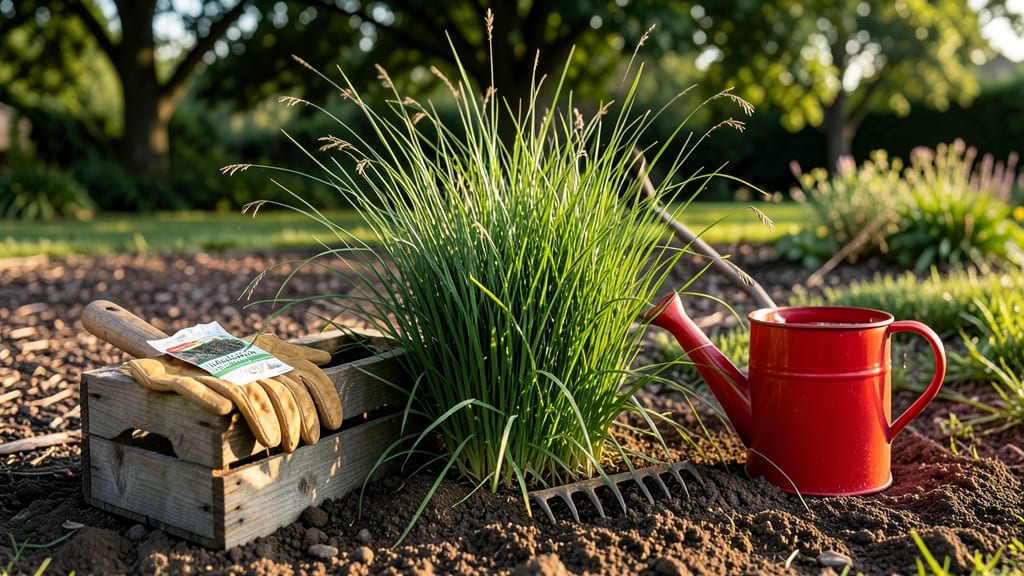
Planting fescue grass in Missouri at the wrong time can leave you with weak roots and patchy growth—but getting the timing right transforms your lawn into a lush, drought-resistant carpet.
The key to success lies in understanding Missouri's 5b-6b climate zones, where fall and spring windows offer the perfect balance of cool soil and warm air for strong establishment.
Missouri gardeners know the struggle: unpredictable spring weather can throw off even the best-laid plans.
That's why planting 4-6 weeks before the first frost in fall (early September to mid-October) or 4-6 weeks after the last frost in spring (late March to early April) gives your 🌱 fescue grass the best chance to develop deep roots before winter or summer stress sets in.
Why does timing matter so much? Fescue thrives in cooler temperatures, and planting too early risks fungal issues from warm soil, while waiting too late means competing with weeds or struggling to establish before heat arrives.
I'll show you exactly how to read Missouri's frost patterns and adjust for your specific region—whether you're in St. Louis, Kansas City, or Springfield.
Ready to skip the guesswork and plant with confidence? Let's break down the science-backed windows, soil prep secrets, and regional adjustments that will give you the best possible start for your Missouri lawn.
Missouri fescue planting timeline: exact weeks before last frost for strong root establishment
Timing your fescue grass planting is everything in Missouri’s USDA Zones 5b-6b. The cool-season grass thrives when planted 4-6 weeks before the first frost, giving roots time to establish before winter dormancy.
For Missouri, this means early September to mid-October for fall planting—the absolute best window for deep root growth.
Spring planting is a close second, but requires precision. Aim for late March to early April, once soil temperatures consistently stay above 55°F (13°C) at a 4-inch depth. Planting too early risks frost damage, while waiting too long invites weed competition and poor germination.
Missouri’s climate varies by region, so adjust timing based on your area. Northern Missouri (e.g., St. Louis, Columbia) often sees the first frost by October 15, while southern areas (e.g., Springfield, Joplin) may hold off until mid-November. Use local frost data to fine-tune your schedule.
Soil temperature is your best friend. Fescue seeds need soil temps between 60°F and 75°F (16-24°C) to germinate. If temperatures dip below 50°F (10°C), germination slows dramatically, leaving your lawn vulnerable to fungal diseases and poor establishment.
Here’s the Missouri fescue planting timeline broken down by region and season, including soil temperature targets and frost-free windows:
| Region | Fall Planting Window | Soil Temp Target | Spring Planting Window | First Frost Risk |
|---|---|---|---|---|
| Northern MO (St. Louis, Columbia) | Early Sept - Oct 10 | 60-75°F (16-24°C) | Late March - April 1 | Oct 15 |
| Central MO (Kansas City, Jefferson City) | Mid-Sept - Oct 20 | 60-75°F (16-24°C) | Late March - April 5 | Oct 25 |
| Southern MO (Springfield, Joplin) | Late Sept - Nov 1 | 60-75°F (16-24°C) | Early April - April 15 | Nov 10 |
*Adjust for early/late frost years using local weather forecasts.
Fall planting is highly recommended because cooler temperatures reduce water stress and weed competition. Fescue grows slowly in fall but establishes deep roots before winter, giving it a head start in spring.
If you miss fall, spring planting still works—just be ready to water consistently to prevent drought stress during germination.
Missouri’s humidity and summer heat can also impact timing. If you plant in late spring (May-June), fescue may go dormant due to heat, leading to patchy growth. Always prioritize soil moisture over speed—keep the top 2 inches of soil consistently moist until germination (about 14-21 days).
Pro tip: Use a soil thermometer to monitor temperatures. If soil temps drop below 50°F (10°C) at night, delay planting until conditions stabilize. Missouri’s unpredictable weather means flexibility is key—don’t rush the process!
For the deepest roots and most resilient lawn, fall planting wins. But if you’re starting fresh in spring, time it right by waiting for consistent warmth and stable soil temps. Your fescue will thank you with vibrant green growth all season long.
🌱
Missouri fescue planting timeline: exact weeks before last frost for strong root establishment
Missouri's USDA zones 5b-6b create a unique challenge for fescue planting—cool nights and warm days demand precise timing. The ideal window spans from early September to mid-October for fall planting, allowing your grass to establish 4-6 weeks before frost (typically by October 15).
Spring planting should occur late March to early April, giving seedlings time to root before summer heat arrives.
Why these dates? Fescue germinates best when soil temperatures hover between 60-75°F—too early and fungal diseases thrive; too late and weeds outcompete your seedlings.
Missouri's average last frost falls around April 15, but this varies by region: St. Louis typically sees frost 1-2 weeks earlier than Springfield, while Kansas City falls in between.
Here's how to calculate your exact planting window using Missouri's climate patterns:
| Region | Fall Planting Window | Spring Planting Window | Key Soil Temp |
|---|---|---|---|
| St. Louis (Zone 6a) | Early Sept - Oct 10 | Late March - April 5 | 60-70°F |
| Kansas City (Zone 5b) | Mid-Sept - Oct 15 | Early April - April 10 | 58-68°F |
| Springfield (Zone 6b) | Late Aug - Oct 20 | Late March - April 15 | 62-72°F |
For northern Missouri gardeners (like those in Columbia or Sedalia), aim for the earlier end of these windows—cooler nights mean slower germination. Southern Missouri (like Poplar Bluff) can push planting slightly later, but never beyond mid-October or after April 15, as summer heat will stress young plants.
Pro tip: Use the Missouri State Climatologist's frost prediction tool to adjust your timeline. I always check their 5-year frost averages before planting—it's saved me from multiple late-season surprises.
For example, the 2020 late April frost in St. Louis caught many gardeners off guard, but those who planted by the April 5 cutoff were unaffected.
Remember: Fall planting gives fescue time to develop deep roots before winter, while spring planting requires consistent moisture to prevent drought stress. Both windows offer excellent results when timed correctly—just don't wait until after May 1, as summer heat will make establishment nearly impossible.