
Plants
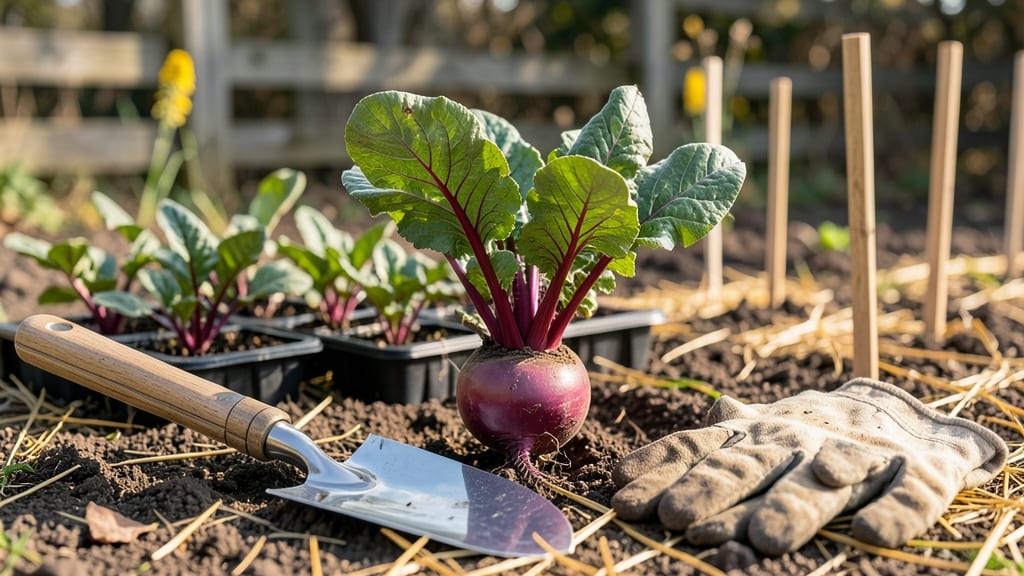
Planting fall beets in Zone 6 at the wrong time means either bitter greens or roots ruined by frost—neither of which you want when you’re craving that sweet, earthy harvest. The key lies in a narrow window between July and September, where soil stays warm enough to encourage growth but cool enough to prevent bolting before the first frost.
I’ve learned the hard way that timing isn’t just about dates—it’s about soil temperature, frost dates, and even the variety you choose. Too early, and your beets 🍠 bolt into flower; too late, and frost turns them mushy.
But get it right, and you’ll enjoy crisp, flavorful roots straight from your garden in October or November.
This guide breaks down the exact planting schedule for Zone 6, including how to adjust for early or late frosts and which beet varieties thrive in cooler weather. You’ll also discover 5 pro tips to stretch your growing season and avoid common mistakes that sabotage harvests.
Ready to grow beets that taste like they came from a farmers’ market? Let’s dive into the perfect planting window—and how to keep your garden productive until the first frost.
Zone 6 fall beet planting calendar: exact dates for sweetest harvests
Fall beets thrive in Zone 6 when planted at the right time—typically 8-10 weeks before your first frost date. For most of Zone 6, this means starting seeds or transplants between mid-July and early September.
The key is balancing warm soil temperatures and daylight length to avoid bolting or stunted growth.
In Zone 6, your first frost usually arrives mid-October, so count backward to determine your planting window. For example, if your frost date is October 15, aim to have mature beets by then by planting seeds by August 15 or transplants by September 1.
This gives roots 50-60 days to reach harvest size.
Soil temperature is critical—beets need soil at least 50°F (10°C) to germinate well. In Zone 6, soil stays warm enough until early September, making late summer the ideal window. Use a soil thermometer to confirm before sowing.
Regional microclimates can shift these dates slightly. If you live in a warmer microclimate (e.g., near water or urban areas), extend planting by 1-2 weeks. Conversely, cooler pockets may require starting 2 weeks earlier to compensate for slower growth.
Here’s your Zone 6 Fall Beet Planting Timeline at a glance, tailored to local frost averages:
| Stage | Action | Zone 6 Dates | Soil Temp |
|---|---|---|---|
| Seed Starting (Indoor) | Sow seeds 4-6 weeks before transplanting | Mid-July | 60-70°F |
| Transplant Outdoors | Move seedlings to garden | Early August | 50-60°F |
| Direct Sowing (Outdoor) | Plant seeds directly in soil | Late July - Early August | 55-65°F |
| Succession Planting | Sow every 2 weeks for continuous harvest | August - Mid-September | 50-60°F |
| Harvest Window | Pull roots before hard frost | October - Early November | 40-50°F |
For a second fall harvest, try a late planting in early September. Choose fast-maturing varieties (45-50 days) like ‘Babybeat’ or ‘Detroit Dark Red’ to ensure roots reach harvest size before frost. Just be prepared to use row covers if temperatures dip below 25°F (-4°C).
If you miss the ideal window, don’t despair—beets are cold-hardy and can tolerate light frosts. Their flavor actually improves with frost, though texture softens. Harvest before the ground freezes solid to preserve crispness. Store roots in a cool, dark place for up to 3 months.
Pro tip: Use a planting calendar app like Farmers’ Almanac or Gardenate to input your ZIP code for hyper-localized frost dates. These tools adjust for your specific microclimate, ensuring you never plant too early or late.
Finally, always test your soil before planting. Beets prefer loamy, well-draining soil with a pH of 6.0-7.0. Amend heavy clay with compost or sand to improve drainage. A quick soil test kit (available at garden centers) takes just minutes and saves you from guesswork.
With these dates and tips, you’ll grow sweet, crisp fall beets every season—no more wasted seeds or frost-ruined harvests! 🌱
Zone 6 fall beet planting calendar: exact dates for sweetest harvests
In Zone 6, the fall beet planting window is short but sweet—typically between late July and early September. This timeline ensures your beets mature before the first frost (usually mid-October) while avoiding the heat stress of summer.
For example, if you plant on August 15, you’ll likely harvest by October 15, just before temperatures drop.
Your first step is to check your local frost dates. While Zone 6’s average first frost is mid-October, microclimates (like valleys or urban heat islands) can shift this by 1-2 weeks.
Use a frost calendar or ask your local extension office for precise dates. I always add 2 weeks of buffer to my harvest timeline to account for unpredictable weather.
For direct sowing (planting seeds straight into the garden), aim for 8-10 weeks before your first frost.
This means: - Early August for a late October harvest - Mid-August for an early November harvest Start with 2-3 seeds per hole, spaced 1-2 inches apart, and thin to 3-4 inches between plants once they sprout.
| Stage | Action | Soil Temp | Notes |
|---|---|---|---|
| Direct Sowing | Plant seeds ½" deep, 1-2" apart | 50°F+ | Thin to 3-4" apart |
| Transplanting | Move seedlings 3-4" apart | 55°F+ | Best for late starts |
| Succession Planting | Sow every 2 weeks until Aug 20 | 50°F+ | Staggered harvests |
| Harvest Window | Pull roots before hard frost | N/A | Roots 1-3" diameter |
If you’re planting transplants (young beet starts), shift your timeline 2-3 weeks earlier. Transplants handle cooler soil better, so you can start as early as late July without risking bolting. Just avoid transplanting when soil temps drop below 55°F, or your beets will struggle to establish roots.
Pro tip: Use a soil thermometer to confirm temps. Beets need soil at least 50°F to germinate, but 60°F+ speeds up growth. If your soil runs cooler, try a black plastic mulch to warm it up 2-3 weeks faster. I’ve seen this trick add 10-14 days to my growing season!
Finally, always plant companion crops like lettuce or radishes alongside your beets. These fast growers mark your beet rows and help you track harvest readiness.
And if you’re worried about late frosts, frost cloth can buy you an extra 2-3 weeks of growing time—just remove it during the day for sunlight.