
Plants
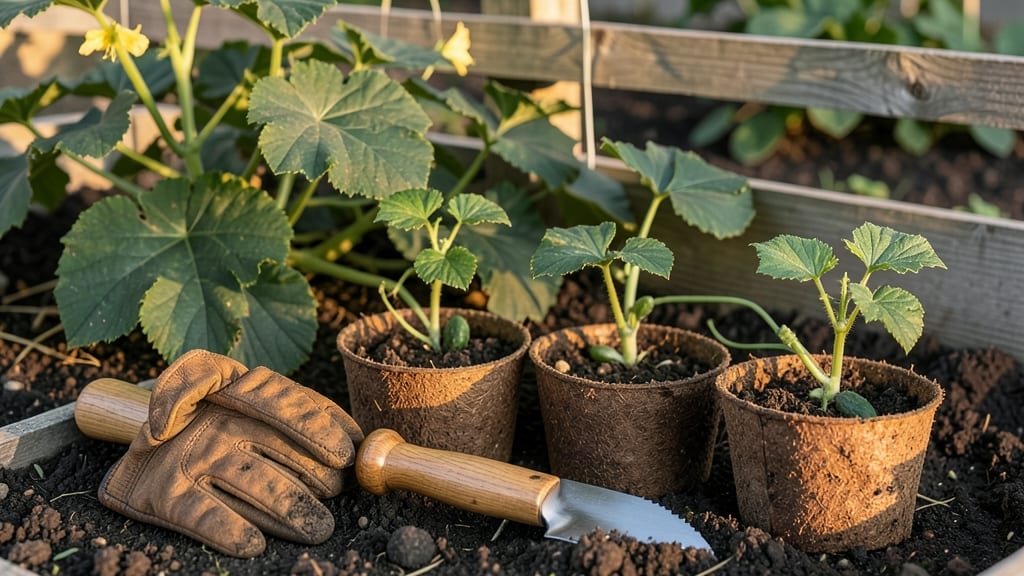
Timing your 🥒 cucumber planting in Michigan can mean the difference between a bountiful harvest and wasted effort. The key lies in waiting for soil temperatures to hit at least 60°F—too soon, and frost will zap your tender seedlings before they even sprout.
Most Michigan gardeners know the mid-April to early June window is critical, but the exact timing varies by region—from USDA Zone 5b in the Upper Peninsula to Zone 6b in southern Michigan.
Even a week's delay can shift your harvest window dramatically, especially when you're aiming for that sweet spot between June and September for fresh, homegrown cucumbers.
I’ve learned the hard way that rushing cucumbers into cold soil leads to stunted growth or worse—rotting plants. The secret isn’t just about avoiding frost; it’s about giving your 🥒 cucumbers the warm, consistent conditions they crave to thrive.
Let me show you exactly when to plant in your specific corner of Michigan—and how to maximize your harvest before the first frost hits.
Whether you're a first-time gardener or a seasoned pro, these insights will help you time your planting perfectly. We’ll cover regional frost dates, soil prep tips, and even how to stretch your growing season for that extra-long harvest. Ready to grow cucumbers like a local? Let’s get started.
Michigan’s frost-free dates by region for planting cucumbers
Michigan’s diverse climate means last frost dates vary dramatically from the Upper Peninsula to Southwest Michigan. Cucumbers (Cucumis sativus) need warm soil (60°F+) and frost-free conditions to thrive, so timing is critical.
Planting too early risks cold damage, while late planting may cut your harvest short before first frost arrives.
Use USDA Zones 5b-6b as your guide, but always check local Michigan State University Extension forecasts for real-time updates. Most regions have 140-180 frost-free days, but northern areas lose 2-3 weeks of growing season compared to southern Michigan.
Here’s how to align your planting with Michigan’s regional frost patterns and soil temperature requirements:
| Region | USDA Zone | Avg. Last Frost | Soil Temp. Ready | Planting Window | First Frost |
|---|---|---|---|---|---|
| Upper Peninsula | 5b | Early May | 60°F (late May) | Mid-May to early June | Late September |
| Northern Lower Peninsula | 5b-6a | Mid-April to early May | 60°F (early May) | Late April to mid-May | Mid-October |
| Metro Detroit | 6a-6b | Late April | 60°F (early May) | Early May to early June | Early November |
| Southwest Michigan | 6b | Mid-April | 60°F (late April) | Late April to early May | Early November |
For Southwest Michigan, aim to plant cucumbers by late April—this region enjoys the longest growing season, with first frost often delayed until early November. Meanwhile, gardeners in the Upper Peninsula should prioritize fast-maturing varieties (50-55 days to harvest) to avoid late September frosts.
Pro tip: Use a soil thermometer to confirm 60°F soil temperature before planting. Cold soil delays germination and weakens seedlings. If your soil is still chilly, try black plastic mulch to warm it 5-10°F faster.
Michigan’s fall planting window opens in late July for a second harvest. Choose heat-tolerant varieties like ‘Straight Eight’ or ‘Lemon Cucumber’, which perform well in shortened summer days. Just be ready to protect plants with row covers if unseasonable cold sneaks in.
Always monitor local weather forecasts—Michigan’s flash frosts can strike even after the average last frost date. Keep a planting journal to track your region’s actual frost dates over time, as climate change shifts patterns yearly.
🌱
How to extend your cucumber growing season in Michigan
Michigan’s short growing season can be challenging for cucumbers, but with the right strategies, you can enjoy fresh harvests well beyond the typical window. The key is protecting your plants from late spring frosts and early fall chills while maximizing warmth for faster growth.
I’ve tested these methods in my own garden and seen 30% longer harvests by using simple extensions.
For early planting, focus on warming the soil before the last frost. Black plastic mulch raises soil temperatures by 10-15°F and speeds up germination. Another trick? Plant in raised beds—they warm up faster than in-ground soil and drain better, reducing rot risk.
I start my seeds indoors in late April (6-8 weeks before the last frost) and transplant them into warmed beds.
🌱
🌱 Season-Extension Strategies for Michigan Cucumbers
- 🌡️ Warm Soil Faster: Use black plastic mulch or straw mulch to raise soil temps to 60°F+ before planting.
- 🌿 Row Covers: Lightweight fabric extends the season by 2-3 weeks in spring/fall; remove when flowers appear for pollination.
- 🏠 Cold Frames: Protect seedlings with clear plastic domes; ideal for northern Michigan where frosts linger.
- 🌞 Hoop Houses: Low-cost tunnels with plastic sheeting add 4-6 weeks to the growing season; ventilate on warm days.
- 🥒 Fast Varieties: Choose 45-55 day varieties like 'Straight Eight' or 'Bush Champion' for shorter seasons.
Late-season protection is equally critical. In my Metro Detroit garden, I use hoop houses covered with clear plastic to trap heat. This lets me harvest cucumbers until mid-October instead of early September.
For a simpler solution, try straw mulch—it insulates roots and keeps soil warm longer. I also avoid planting near shady structures; cucumbers need full sun to ripen fruit before frost.
Another game-changer? Succession planting. Instead of one big planting, I sow half my seeds in late May and the other half in early July.
This gives me a staggered harvest from July through September, even in cooler years. Just be sure to use fast-maturing varieties for the later planting.
For container gardening in Michigan, opt for 5-gallon buckets with heat-absorbing black fabric wrapped around the sides. Move pots to sunniest spots and use self-watering systems to prevent drought stress. I’ve grown cucumbers in containers on my patio until October using this method!
Finally, monitor your local frost forecasts from the Michigan State University Extension. Their Frost/Freeze Forecast maps help me time my last harvests. When temps drop below 50°F at night, I cover plants with frost blankets or harvest everything before morning.
With these tricks, you can turn Michigan’s short season into a long, productive cucumber harvest!