
Plants
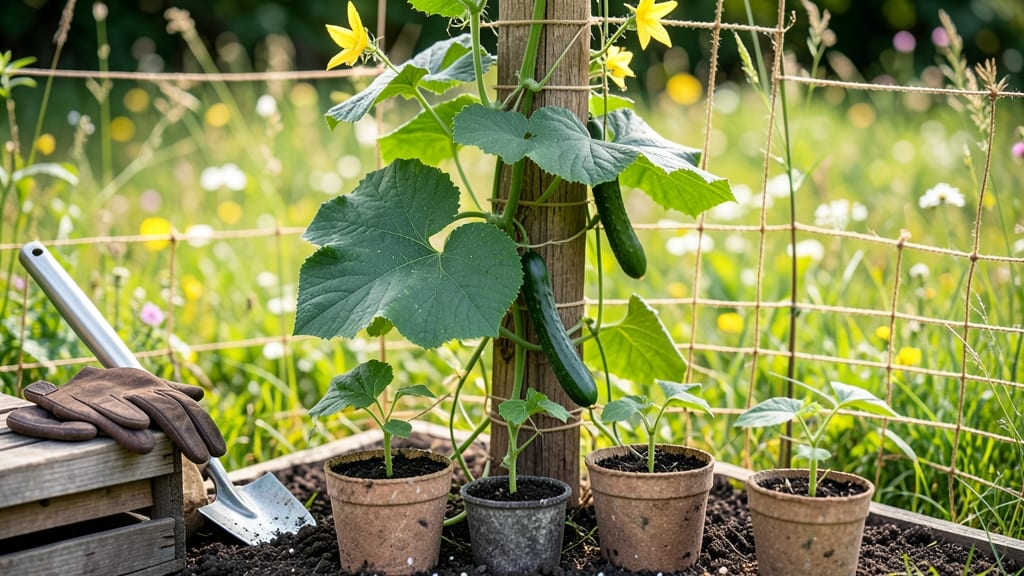
Timing your cucumber 🥒 planting in South Florida isn't just about grabbing seeds—it's about outsmarting the heat before your plants bolt into bitter, useless flowers. With temperatures hovering near 90°F for half the year, even the hardiest varieties need a strategic window to thrive, not just survive.
Most gardeners here assume they can plant anytime, but that's a recipe for disappointment. The sweet spot actually falls in late winter to early spring when soil temperatures hover around 60°F—cool enough to prevent premature flowering but warm enough to kickstart growth.
Miss this window, and you'll spend summer chasing shade and praying your plants don't turn into sad, seedy sticks.
What you're about to discover isn't just a calendar—it's a survival guide for growing crisp, productive cucumbers in South Florida's merciless climate. We'll cover the exact months to plant, how to stretch your season without bolting, and why your neighbor's "anytime" approach is probably failing (hint: it's the humidity).
Ready to stop guessing and start growing? Let's dive into the perfect planting schedule that'll have you harvesting cucumbers from spring through fall—without the frustration of watching your plants give up before they even begin.
Best planting months for cucumbers in South Florida: exact calendar breakdown
South Florida’s frost-free climate means you can grow cucumbers year-round, but timing is everything to avoid heat stress and bitter fruit. The ideal window is late winter to early spring, when temperatures are mild and humidity is manageable.
Planting outside these months risks bolting—when cucumbers flower too early and produce poor-quality fruit.
Microclimates matter too. Coastal areas (like Miami Beach) stay cooler longer, while inland zones (like Homestead) heat up faster. Adjust your schedule based on your local heat zone. For example, inland gardeners should plant 2-4 weeks earlier than coastal growers to align with cooling trends.
Here’s the exact monthly breakdown for cucumber planting, including soil temperature thresholds and humidity risks:
To delay flowering and bolting, choose heat-resistant varieties like ‘Marketmore 76’ or ‘Sweet Success’. These tolerate higher temperatures better than standard types. Pair them with black plastic mulch to keep soil temps stable and reduce stress.
For coastal gardeners, extend your window by planting in late February or early March. Inland areas should aim for January to
How to extend the cucumber growing season in South Florida without bolting
Extending your cucumber harvest in South Florida’s relentless heat isn’t about defying nature—it’s about working smart with shade, mulching techniques, and water management. The key? Delay bolting by keeping plants cool and hydrated during peak heat months (June–August).
I’ve grown cucumbers year-round here, and these strategies add 2-3 extra months of harvest time.
Start by choosing heat-tolerant varieties like ‘Straight Eight’ or ‘Marketmore 76’—they handle 90°F+ temperatures better than standard types. Pair them with 30-50% shade cloth during 11 AM–3 PM, the hottest window. This trick drops soil temps by 10-15°F and prevents early flowering.
🌱 Proven Season-Extension Strategies
- Shade Cloth: Install 30% shade in summer (remove by September to boost fall growth).
- Black Plastic Mulch: Warms soil 5-10°F in winter for earlier spring starts.
- Drip Irrigation: Run early morning (5–7 AM) to avoid fungal risks from wet foliage.
- Companion Plants: Interplant with radishes (they deter pests) or basil (improves flavor).
- Vertical Trellising: Elevates fruit 12+ inches off hot soil, reducing rot and bolting.
For fall harvests, plant seedlings in late August—just as temps dip below 90°F. Use straw mulch (2–3 inches thick) to insulate roots and retain moisture.
I’ve seen cucumbers thrive into November this way, even in Miami’s humidity. Just avoid overwatering—soggy soil triggers fungal diseases like powdery mildew.
Monitor your plants for bolting signs: sudden flower spikes or bitter-tasting fruit. If you spot them, prune lower leaves to improve airflow and reduce stress. Harvest every 2–3 days—this keeps plants productive longer. In my garden, this simple habit adds 4+ weeks to the season.
Don’t forget soil prep! Amend beds with compost before planting to improve drainage—waterlogged roots bolt faster. For containers, use fast-draining mixes with coco coir to mimic South Florida’s sandy soil. With these tweaks, you’ll harvest cucumbers almost year-round.
Pro tip: Save seeds from your best-tasting cucumbers! Dry them in paper envelopes and store in a cool, dark place. Next season, you’ll have locally adapted plants that thrive even better in your microclimate. 🌱