
Plants
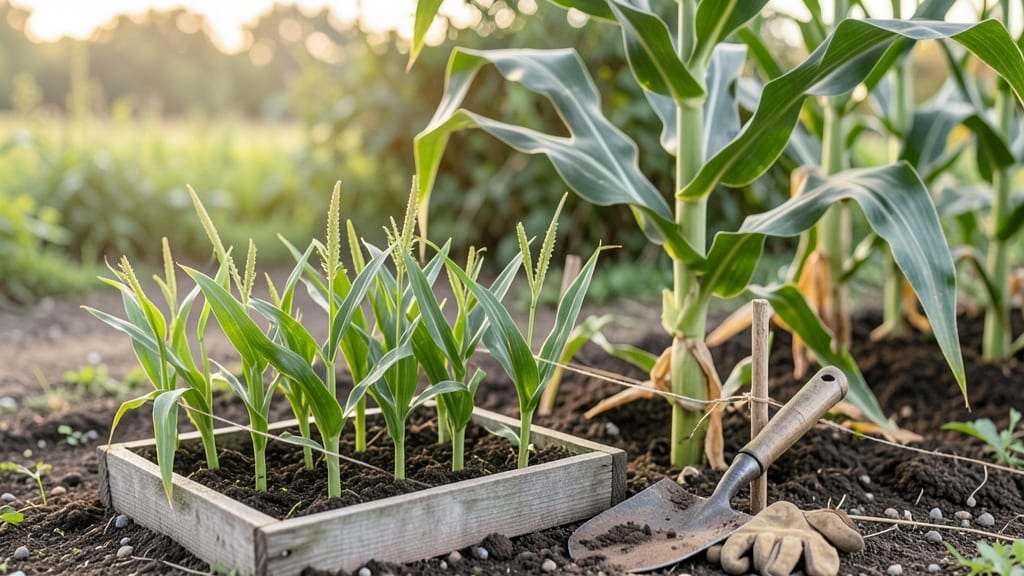
Timing your 🌽 corn planting in Minnesota can make or break your harvest—get it wrong, and you might end up with stunted plants or wasted seeds.
With Minnesota’s USDA Zones 4a-5b and unpredictable spring weather, knowing the exact window is key to growing sweet, plump ears from late July to October.
Most Minnesota gardeners plant corn outdoors directly between mid-April and early June, but the real secret is waiting for the soil to warm to at least 50°F—not just the air.
This usually happens after the last frost date, which can vary widely from year to year, especially between northern and southern parts of the state.
If you’ve ever wondered why some years your corn thrives while others barely sprout, it’s likely about timing. I’ll break down the best planting schedule for your specific zone, plus tips to adjust for late springs or early frosts so you can maximize your yield every season.
Ready to turn your garden into a cornucopia? Let’s dive into the exact dates and strategies that work for Minnesota’s climate—so you can enjoy fresh, homegrown corn straight from the cob.
Minnesota corn planting calendar: exact dates by last frost
Minnesota's USDA Zones 4a-5b demand precision when planting corn (🌽). The last average frost date in most areas falls around May 15, but soil temperature—50°F or warmer—is the real trigger. Northern MN (Zone 4a) has a shorter window than southern MN (Zone 5b), so adjust accordingly.
Corn thrives with 150 frost-free days, making timing critical. Plant too early and risk frost damage to tender seedlings; too late and harvest yields suffer. Use these regional guidelines to align with Minnesota's climate patterns.
🌱
| Region | Last Frost Avg. | Planting Window | Soil Temp Threshold | Harvest Window |
|---|---|---|---|---|
| Northern MN (Zone 4a) | May 20-25 | Late May to early June | 50°F+ (consistent) | Late August to early October |
| Central MN (Zone 4b) | May 10-15 | Mid-April to late May | 50°F+ (after last frost) | Early August to late September |
| Southern MN (Zone 5b) | May 5-10 | Mid-April to early June | 50°F+ (earlier start possible) | Late July to October |
For northern MN gardeners, focus on early-maturing varieties (80-90 days) to ensure harvest before first frost (mid-October). Southern MN can handle longer-season varieties (90-110 days), but always check local frost records for adjustments.
Use a soil thermometer to confirm 50°F soil temperature. Cold soil delays germination, even if air temps are warm. Plant 1-1.5 inches deep in hills spaced 3 feet apart for optimal airflow and pollination.
🌽
Adjust your planting schedule if unpredictable weather delays spring. For example, if frost lingers past May 20, opt for succession planting with fast-maturing varieties in early June. Always prioritize soil warmth over calendar dates.
Pro tip: Black plastic mulch warms soil faster and extends the planting window by 1-2 weeks. This is especially useful in Zone 4a, where cold soils are common.
💧
Monitor local weather forecasts for heatwaves or late frosts. If nighttime temps drop below 50°F after planting, use row covers or cloches to protect seedlings. Corn is sensitive to cold snaps, even after germination.
For maximum yield, aim to plant 80% of your crop within a 2-week window. This ensures uniform maturity and simplifies harvest. Use early, mid, and late-season varieties to stagger harvests and extend your fresh corn supply.
How to adjust corn planting for Minnesota's unpredictable weather
Minnesota’s weather can throw even the most experienced gardener for a loop—one year you’re planting corn in mid-April, and the next, snow flurries linger into May. The key to success? Flexibility.
I’ve learned to adjust my planting strategy based on soil temperature, frost forecasts, and even microclimates in my garden. Whether you’re dealing with a late spring or an early frost warning, these proven tactics will help you protect your corn crop and still enjoy a bountiful harvest.
First, always have a backup plan for late springs. If your usual planting window passes without warm soil (50°F+), consider succession planting with early-maturing varieties (like ‘Early Sunglow’, which matures in 70 days).
Plant a second round in early June—just be prepared to harvest earlier to avoid frost. This two-pronged approach ensures you’ll have corn to enjoy, even if the first planting struggles.
Don’t overlook the power of microclimates in your garden. A south-facing slope or a raised bed warms up faster than a low-lying area, giving you a 2-3 week advantage in the planting window.
I’ve planted corn in my south-facing raised beds as early as late April, while my north-facing garden bed still had cold soil in early May. Test your soil with a soil thermometer—it’s the only way to know for sure when it’s safe to plant.
If you’re worried about heatwaves during pollination (when tassels appear), water deeply in the early morning to keep the air cooler. Corn pollinates best in 75-85°F temperatures—any hotter, and the pollen can become sterile.
I’ve also had success using shade cloth (30% shade) during extreme heat to protect tassels without stunting growth.
Finally, keep an eye on your local frost dates. While the average last frost in Minnesota is mid-May, it can vary by 2-3 weeks from year to year.
Sign up for frost alerts from your local National Weather Service office or use apps like Old Farmer’s Almanac to stay ahead of the game. When in doubt, err on the side of planting later—you can always succession plant, but you can’t un-plant corn if a frost hits.
With these adjustments, you’ll turn Minnesota’s unpredictable weather into an advantage. Whether you’re battling late springs, early frosts, or scorching summers, your corn will thrive—and you’ll be the first on the block with fresh, homegrown ears. Happy planting! 🌽