
Plants
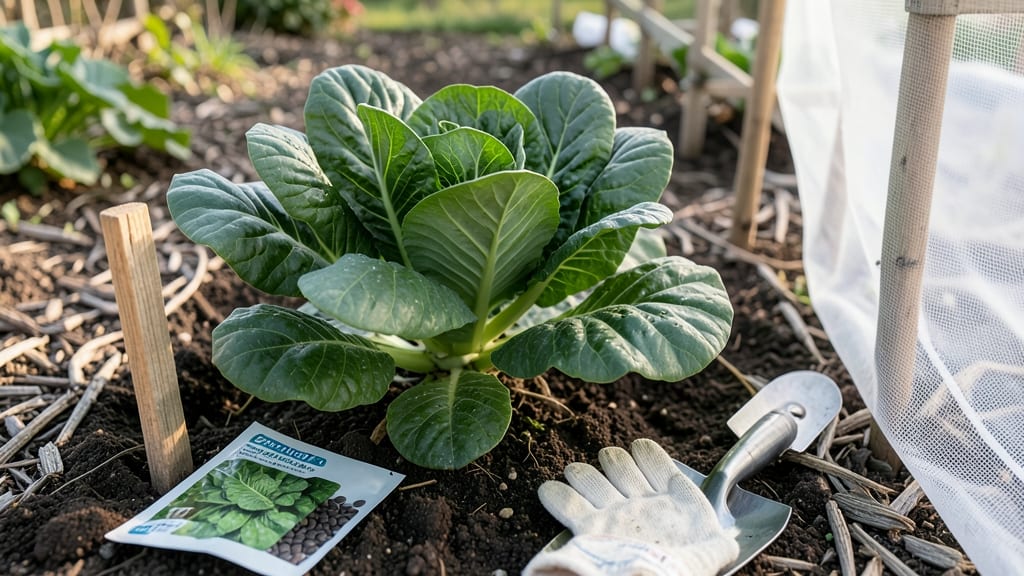
When to plant collard seeds in NC can make all the difference between a thriving harvest and a frost-killed disappointment. With USDA zones 6b-8a offering everything from coastal warmth to mountain chill, knowing the right timing is key to zero-frost survival for your greens. Whether you're in the frost-free coast or the cooler Piedmont, collards 🥬 love cool weather but hate surprises like late frosts. Spring planting in March-April gives you a head start, while fall planting in August-September lets you squeeze in a second harvest before winter sets in. I’ll break down the exact county-specific windows so you can plant with confidence—no more guessing whether your seedlings will survive that last unexpected frost. Plus, I’ll share pro tips to extend your growing season, no matter where you live in the Tar Heel State. Ready to grow collards that taste sweeter and last longer? Let’s get your seeds in the ground at the perfect time for a bumper crop.
North Carolina’s collard planting zones: frost-free dates by county
North Carolina’s diverse USDA zones (6b-8a) create a puzzle for collard growers—some coastal areas enjoy year-round growing, while mountainous regions face earlier frosts. To avoid frost damage and maximize harvests, I’ve mapped out county-specific planting windows based on last frost dates and microclimates.
Whether you’re in frost-free Wilmington or chilly Asheville, timing is everything for collard survival.
Collards are a cool-season crop, thriving when soil temperatures hover between 50°F and 75°F. In NC’s coastal plain (zones 8a-8b), you can plant as early as February and through October.
Inland (zones 7a-7b), stick to March-April for spring and August-September for fall. Mountainous areas (zone 6b) should wait until after April 15 to avoid late frosts.
Key rule: Plant collard seeds 4-6 weeks before your average last frost date for spring harvests, or 60-75 days before first frost for fall crops. Use this county-by-county guide to pinpoint your exact window—because a 30-day difference can mean the difference between lush harvests and frost-killed greens.
| Region | USDA Zone | Last Frost Date | Best Planting Window | Frost Risk |
|---|---|---|---|---|
| Coastal Plain (Wilmington, Fayetteville) | 8a-8b | Feb 15 - Mar 1 | Feb-May, Aug-Oct | Low (frost-free) |
| Piedmont (Raleigh, Greensboro) | 7a-7b | Mar 15 - Apr 1 | Mar-Apr, Aug-Sept | Moderate (late frosts) |
| Mountains (Asheville, Boone) | 6b | Apr 15 - May 1 | Apr-May, July-Aug | High (early frosts) |
| Southeast (Charlotte, Durham) | 7b-8a | Mar 1 - Mar 15 | Feb-Apr, Aug-Sept | Moderate |
For visual learners, I recommend checking the NC State Extension’s interactive frost map (extension.ncsu.edu) to overlay your county’s historical frost data. Pro tip: Mountain counties like Haywood and Macon often see 10-14 days earlier frosts than Piedmont areas—so adjust your fall planting accordingly.
If you’re unsure, err on the side of planting later rather than risking frost damage to young seedlings.
Soil preparation is just as critical as timing. Before planting, amend your soil with compost or aged manure to reach a pH of 6.0-7.0. Collards prefer loamy, well-draining soil rich in organic matter.
In sandy coastal soils, mix in peanut hull compost to retain moisture, while clay-heavy Piedmont soils benefit from gypsum amendments to improve drainage. Test your soil 4-6 weeks before planting to give amendments time to integrate.
One common mistake I see is planting too early in cooler zones. For example, Asheville gardeners who plant in early March often face late April frosts that kill seedlings. Instead, wait until after April 15 in zone 6b areas.
Similarly, fall plantings should start by August 1 in the mountains to ensure harvest before November 15. Use row covers or cold frames to extend your growing season by 2-3 weeks in high-risk areas.
If you’re in a transition zone like Durham
Best months to plant collard seeds: spring vs. fall strategies
North Carolina’s cool-season collards thrive when planted during two key windows: early spring and late summer. These timings align with soil temperatures and daylight cycles, ensuring robust growth before extreme heat or frost arrives.
For spring plantings, aim for March to early April—just after your last average frost date (typically March 15 in most counties). In fall, August to mid-September gives collards time to mature before the first frost (November 15 on average).
Timing isn’t just about months—it’s about soil temperature. Collard seeds germinate best in soils between 50°F and 85°F. In cooler mountain regions (USDA Zone 6b), like Asheville, wait until soil warms to 60°F+ (usually late March).
Meanwhile, coastal areas (Zone 8a), such as Wilmington, can start as early as February with minimal frost risk. Use a soil thermometer to confirm readiness—this small tool prevents wasted seeds and stunted growth.
🌱