
Plants
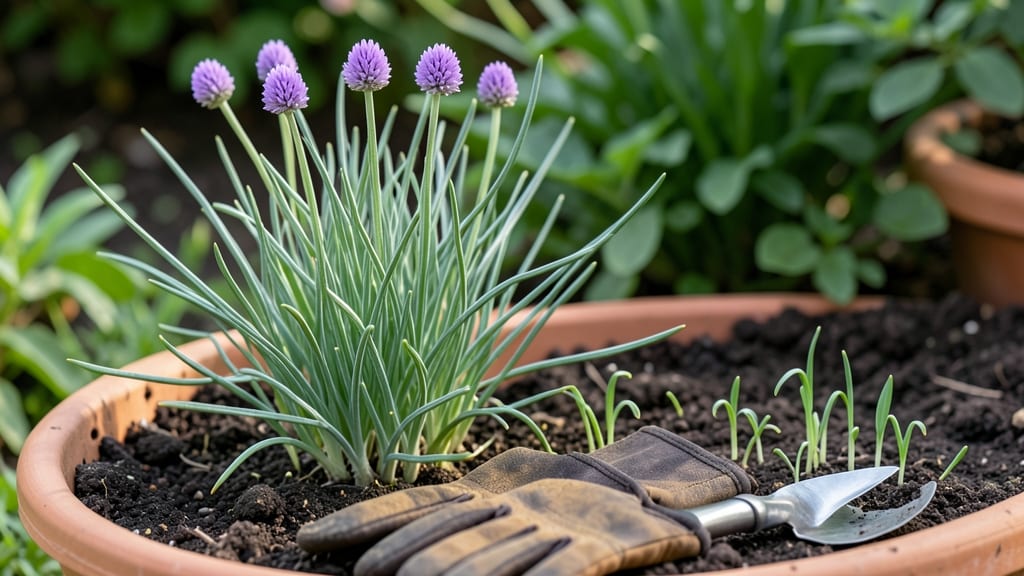
If you're wondering when to plant chives in Zone 7, timing is the secret to vibrant, fast-growing 🌿 plants that keep coming back year after year.
Unlike many herbs that bolt in summer heat, chives thrive when planted just right—either in early spring or early fall—giving you fresh harvests for months.
Zone 7 gardeners have a unique advantage: mild winters and warm summers create perfect conditions for chives, but planting too early or late can stunt growth or trigger flowering. I’ll show you exactly when to start seeds or transplants for bold, healthy chives that regrow effortlessly, even after cutting.
Most gardeners in Zone 7 plant chives in March or September, but there’s a trick to extending your harvest even further. Whether you’re a first-time grower or a seasoned gardener, these exact planting windows will ensure your chives grow faster and stronger than ever before.
Ready to transform your garden into a chives powerhouse? Let’s dive into the best months, soil prep tips, and how to avoid common mistakes that slow down growth. Your kitchen—and taste buds—will thank you!
Best months to plant chives in Zone 7 for maximum growth
In Zone 7, chives thrive when planted during two key windows: early spring and early fall. These timing strategies align with your region’s last frost date (mid-April) and first frost date (mid-October), ensuring your chives establish strong roots before extreme temperatures.
Planting outside these windows risks stunted growth or bolting—when chives prematurely flower instead of producing leafy greens.
For spring planting, aim for March to early April when soil temperatures reach 45°F. This gives chives enough time to mature before summer heat sets in. In fall, plant between September and early October to allow roots to establish before winter dormancy.
Both timing windows leverage Zone 7’s mild winters and hot summers for optimal growth.
Your Zone 7 climate offers flexibility, but precision matters. Early spring planting ensures a summer harvest, while fall planting extends your harvest into next spring. The key is avoiding planting too early in spring (risking frost damage) or too late in fall (limiting root establishment).
| Planting Window | Ideal Months | Soil Temp | Notes |
|---|---|---|---|
| Spring | March–Early April | 45°F+ | Plant 4–6 weeks before last frost for full growth. |
| Fall | September–Early October | 50°F+ | Allows roots to establish before winter dormancy. |
| Alternative | February or May | 40°F+ (Feb) / 60°F+ (May) | Riskier; use row covers or mulch in Feb. |
If you miss the ideal windows, don’t panic. Chives are perennial herbs, meaning they regrow each year. However, late spring planting (May) may result in a smaller harvest before winter, while late fall planting (November)row covers or mulch to protect young plants in these scenarios.
For container gardening in Zone 7, follow the same timing but choose pots with drainage holes to prevent waterlogging. Containers warm up faster in spring, so you can start 2–4 weeks earlier than in-ground planting. Just ensure containers are at least 6 inches deep to accommodate chives’ root system.
To maximize growth, pair your planting schedule with soil preparation. Amend your garden bed with compost to improve drainage, as chives dislike soggy soil. A slightly acidic to neutral pH (6.0–7.0) is ideal. Test your soil in early spring to adjust as needed before planting.
Pro tip: Mark your Zone 7 frost dates on a calendar to plan ahead. For example, if your last frost is April 15, aim to plant by March 15 for a full-season harvest.
Similarly, if your first frost hits October 20, plant fall chives by September 15 to ensure root establishment.
Chives are self-seeding, meaning they’ll return year after year if left undisturbed. However, their first-year growth sets the stage for future harvests. Planting at the right time ensures your chives grow 12–24 inches tall and produce bold purple flowers that attract pollinators while keeping pests at bay.
Remember: Consistency is key. Whether you choose spring or fall planting, stick to the 45–50°F soil temperature guideline to avoid stress. With the right timing, your chives will reward you with continuous harvests from late spring through early summer—and even into fall if planted strategically.
Best months to plant chives in Zone 7 for maximum growth
In Zone 7, your chives will grow fastest and most reliably when planted during two key windows: early spring and early fall.
These timing strategies align with the region’s last frost date (mid-April) and first frost date (mid-October), ensuring your plants establish strong roots before extreme temperatures arrive. Planting outside these windows risks stunted growth, bolting, or even winterkill.
For spring planting, aim to get chives in the ground 4–6 weeks before your last frost, typically between March and early April. This gives seedlings enough time to mature before summer heat sets in.
In fall, plant 6–8 weeks before your first frost, usually in September, to allow roots to establish before winter dormancy begins.
If you miss the ideal windows, don’t panic—chives are hardy perennials that can often recover. However, planting in late spring (May–June) risks bolting (premature flowering), while fall planting after October may not give roots enough time to harden off.
For container gardening, extend your windows slightly by using heat mats in early spring or cold frames in late fall.
Pro tip: Test your soil temperature with a soil thermometer before planting. Chives thrive when soil is between 45–60°F. If temperatures dip below 40°F, delay planting until conditions improve to prevent seedling shock. In Zone 7’s variable climate, this is especially critical for avoiding frost damage.
For fastest growth, pair your planting with a light fertilizer application (5-10-10) after transplanting. This gives chives the nutrients they need to establish quickly, especially in Zone 7’s nutrient-poor soils. Water deeply at planting to encourage root expansion, but avoid overwatering, which can lead to rot.
Remember, chives are perennial, so once established, they’ll return year after year. But getting that first planting right ensures your garden stays stocked with fresh culinary chives and those cheerful purple blooms for seasons to come. 🌿