
Plants
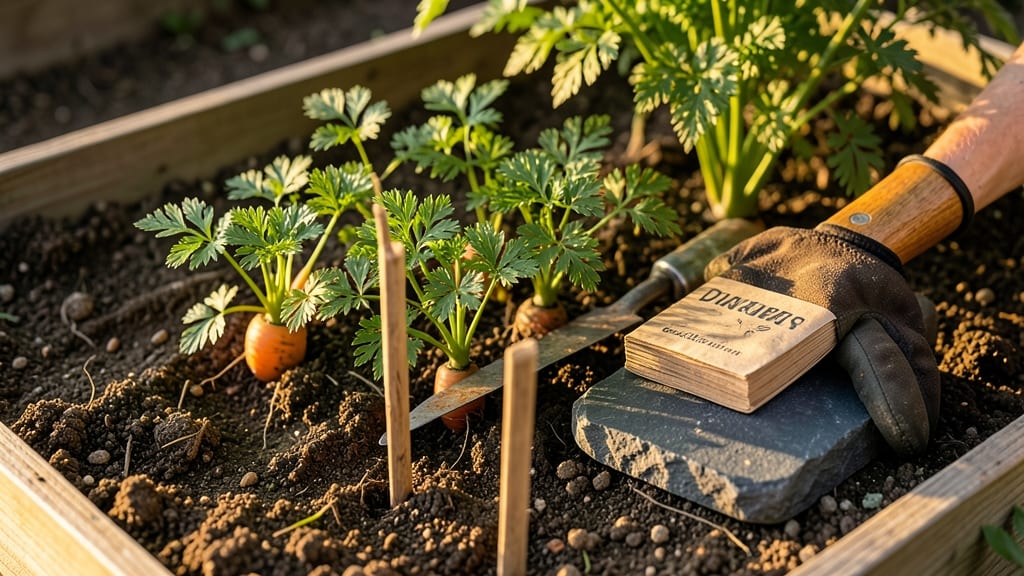
Timing is everything when it comes to growing sweet, crisp 🥕 carrots in Zone 9a—plant them too early, and you’ll end up with bitter, woody roots. Too late, and you risk bolting before harvest. The secret lies in mastering the cool-season window that works best for your climate.
In Zone 9a, where summers are scorching and winters are mild, carrots thrive when planted during September–October for a fall harvest or February–March for spring. This schedule avoids the heat stress that turns tender roots tough. But here’s the catch: soil prep and variety choice make all the difference.
If you’ve ever struggled with forking roots or early bolting, you’re not alone. The key is understanding how to work with your microclimate—whether that means using shade cloth, selecting heat-tolerant varieties, or adjusting planting depth.
I’ll walk you through the exact steps to ensure your carrots grow straight, sweet, and ready to harvest.
Ready to transform your garden? Let’s break down the best planting times, soil tricks, and variety picks so you can enjoy homegrown carrots all season long—without the guesswork.
Best planting times for carrots in Zone 9a’s cool seasons
Zone 9a’s warm winters and hot summers make timing critical for growing sweet, crisp carrots. Unlike cooler climates, summer heat causes carrots to bolt prematurely or develop woody, bitter roots.
The key is planting during cool-season windows when soil temperatures stay between 50°F and 75°F—ideal for germination and root growth.
Your two best windows are early fall (September-October) and late winter (February-March). Fall-planted carrots mature before summer heat arrives, while winter plantings take advantage of cooler soil temperatures and consistent moisture. Avoid planting in summer months (April-August), when temperatures exceed 80°F—this triggers bolting within weeks.
Here’s the month-by-month breakdown of when to plant, including soil temperature thresholds and success factors to maximize your harvest.
| Planting Window | Soil Temp (°F) | Success Factors | Harvest Window |
|---|---|---|---|
| September 15–October 15 | 60–75°F | Loose soil, shade cloth if hot afternoons | December–January |
| February 1–March 15 | 50–65°F | Cold frames for early starts, mulch to retain warmth | May–June |
| November (high desert only) | 45–55°F | Heavy mulch, frost protection | January–February |
For fall plantings, aim to sow seeds 6–8 weeks before your first frost (rare in Zone 9a, but possible in high desert areas). Most Zone 9a gardeners experience no frost, so focus on soil temperature—carrots germinate poorly above 80°F.
Use a soil thermometer to confirm conditions before planting.
If you’re planting in February or March, prepare your soil 2–3 weeks ahead to warm up naturally. Carrots grow best in 60–75°F soil, so avoid planting until daytime temperatures stabilize above 65°F.
A quick trick: Check your local almanac for average last frost dates—even if frost is rare, it helps gauge soil warming trends.
Pro tip: Succession plant every 2 weeks during your chosen window to ensure a continuous harvest. For example, if you plant September 15, 29, and October 13, you’ll have carrots ready from December through February without gaps.
This also reduces the risk of overcrowding, which leads to forked or stunted roots.
Watch out for heat stress even in fall. If daytime temperatures exceed 85°F after planting, provide 30–50% shade cloth during peak sun hours (11 AM–3 PM). This prevents bolting and maintains root sweetness. Remove the shade cloth after 4–6 weeks to encourage full sun exposure for color development.
Soil preparation is just as critical as timing. Carrots need deep, loose soil free of rocks or clumps to grow straight. Work in 2–3 inches of compost and sand (if your soil is clay-heavy) before planting.
A simple test: Stick a 6-inch stake into the soil—if it meets resistance, amend the bed further.
Finally, remember that Zone 9a’s microclimates vary. Coastal areas stay cooler longer, while inland zones heat up faster. If you’re unsure about your specific conditions, plant a test row in September and monitor soil temps with a thermometer. Adjust future plantings based on what you learn!
Best planting times for carrots in Zone 9a’s cool seasons
Zone 9a’s warm winters and hot summers make timing critical for carrots—these cool-season crops thrive when temperatures dip below 85°F but won’t tolerate frost. Your ideal planting windows are September-October (fall) and February-March (late winter), when soil temps hover between 50-75°F and days grow cooler.
Fall planting gives you harvests before winter chill, while spring planting avoids summer’s bolting risk. Avoid planting in summer heat, as carrots bolt (go to seed) when days exceed 75°F for prolonged periods. Even a single hot week can trigger flowering, ruining your crop’s sweetness.
Here’s your month-by-month success guide for Zone 9a, including soil prep and microclimate tips to maximize yields:
| Month | Planting Window | Soil Temp | Success Tip |
|---|---|---|---|
| September | Ideal (cool nights) | 60-75°F | Use shade cloth (30%) if temps exceed 80°F |
| October | Best (avoids summer heat) | 55-70°F | Mulch with straw to retain moisture |
| February | Early spring (low risk) | 50-65°F | Choose cold-hardy varieties like 'Purple Haze' |
| March | Late winter (watch for heat spikes) | 60-75°F | Avoid planting after March 15 if temps rise |
Zone 9a’s microclimates play a huge role—coastal areas stay cooler longer, while inland spots heat up faster. If you’re near the coast, you might squeeze in a late August planting, but monitor soil temps closely. Inland gardeners should stick to September or February to avoid heat stress.
Pro tip: Test your soil’s moisture retention before planting. Carrots need consistent dampness but hate soggy soil—amend heavy clay with compost and sand to prevent forking. A quick soil pH test (aim for 6.0-7.0) ensures nutrient uptake.
Once planted, thin seedlings to 2-3 inches apart when they’re 2 inches tall. Crowded carrots compete for nutrients and turn small or forked. Mulch with straw or grass clippings to lock in moisture and keep roots cool during Zone 9a’s warm days.
With these timing tricks, you’ll harvest crisp, sweet carrots twice a year—once in December-January (fall crop) and again in May-June (spring crop). Skip the summer heat, and your carrots will reward you with perfect roots every time! 🥕