
Plants
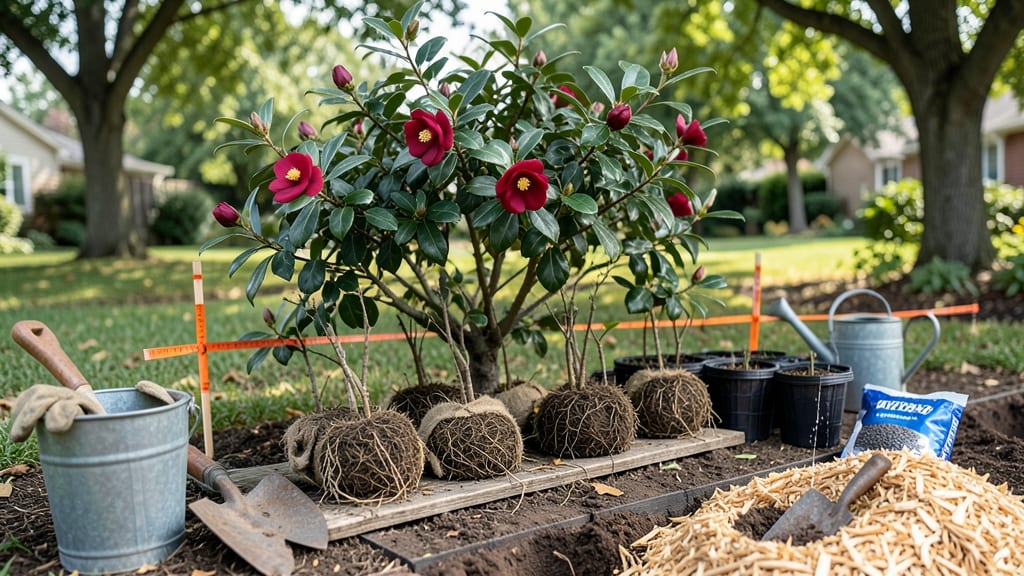
If you’ve ever watched your 🌸 camellias struggle in Zone 9’s relentless heat or fail to thrive after planting, you’re not alone—timing is the secret weapon most gardeners miss.
Planting your camellia in the wrong window means battling summer stress or weak roots that never fully establish, no matter how much you water.
The key to lush, long-lived camellias in Zone 9 isn’t just when you plant—it’s understanding the 6-week fall window that gives roots time to settle before summer’s return. Too early, and the heat zaps moisture; too late, and winter’s chill stunts growth before blooms even appear.
I’ll show you exactly how to read soil temps, rainfall cues, and even microclimates to pick the perfect moment.
What you’ll discover isn’t just a month or two to plant—it’s a step-by-step strategy for prepping roots, amending soil, and caring for your camellia in the weeks after planting.
Whether you’re dropping a container-grown beauty into your garden or nurturing bare-root stock, these tricks will ensure your camellia doesn’t just survive Zone 9’s extremes—it thrives.
Ready to unlock decades of vibrant blooms with minimal effort? Let’s dive into the timing secrets that’ll transform your camellia from a high-maintenance headache into the showstopper of your landscape.
Optimal fall planting window for camellias in Zone 9: exact months and climate triggers
In Zone 9, the 6-week fall window between mid-September and mid-October is your golden opportunity to plant camellias. This timing lets roots establish before summer’s heat returns, while avoiding the late-winter chill that can shock tender roots.
Think of it as giving your camellia a head start—just enough time to anchor before the real action begins.
Your soil temperature is the best barometer: aim for 60–70°F at a depth of 6 inches. Use a soil thermometer to check—if temps drop below 55°F, wait a week or two.
In Zone 9, this usually aligns with late September to early October, but coastal areas (like San Diego) may shift slightly later due to milder microclimates.
Rainfall patterns play a critical role. Zone 9’s monsoon season (July–September) often tapers off by October, so plan to supplement with deep watering (2–3 gallons per plant) every 7–10 days.
If your area gets consistent autumn rains, you can plant as late as mid-November, but avoid soggy soil—camellias hate waterlogged roots.
Heatwaves are the biggest fall planting enemy. If a 95°F+ spell hits in October, delay planting until temps drop below 85°F for at least 3 days. Use shade cloth or a temporary burlap windbreak to protect newly planted camellias from sun scorch during recovery.
Here’s the Zone 9 fall planting timeline broken down by week:
- Week 1–2 (Late Sept–Early Oct): Ideal for bare-root plants—roots are dormant but ready to sprout.
- Week 3–4 (Mid-Oct): Best for container-grown camellias—less transplant shock.
- Week 5–6 (Late Oct–Early Nov): Riskier, but works if soil temps stay above 60°F.
| Planting Window | Soil Temp | Rainfall Goal | Risk Level |
|---|---|---|---|
| Late September | 65–70°F | 1–2 inches/week | Low |
| Mid-October | 60–65°F | 0.5–1 inch/week | Medium |
| Late October | 55–60°F | 0.5 inch/week | High (if frost risk) |
Early frost risk is minimal in Zone 9, but microclimates (like high desert areas) can drop below 32°F. If your USDA Zone 9a (colder end) experiences a rare frost, delay planting until December—just plant container-grown camellias to avoid root exposure.
For container planting, the window extends slightly later. Pots retain heat longer, so you can plant container-grown camellias as late as mid-November, provided you bury the pot halfway in the ground for stability and insulation. This mimics in-ground conditions and reduces transplant shock.
Pro tip: Mulch immediately after planting with 3–4 inches of pine bark mulch. This keeps roots cool in summer and warm in winter, while suppressing weeds. Replenish mulch in late winter to protect emerging buds from late-fall cold snaps.
Remember, Zone 9’s mild winters mean camellias can bloom year-round if conditions are right. Planting in the optimal fall window ensures your camellia focuses energy on root growth—not just survival—so it’s ready to burst into flowers by winter or early spring.
How to prepare camellia roots for Zone 9’s harsh winters: pre-planting secrets
Preparing your camellia roots for Zone 9’s winters isn’t just about digging a hole—it’s about giving them a fighting chance against heat stress and transplant shock.
In my experience, the difference between a thriving plant and one that struggles for years often comes down to root care before they even hit the soil.
Start by inspecting your camellia’s roots, whether it’s container-grown or bare-root. Prune any circling or damaged roots with clean, sharp shears—this encourages outward growth and reduces shock. For container-grown plants, gently loosen the root ball to prevent root binding, which can strangle new growth in Zone 9’s intense heat.
Next, focus on soil amendments tailored to Zone 9’s climate. Mix in mycorrhizal fungi (available at nurseries) to boost root symbiosis, and amend the soil with composted pine bark or peat moss to improve drainage—critical for avoiding root rot in our humid summers.
Aim for a 60:40 mix of native soil to amendments.
Fresh mulch or manure can burn roots and attract pests. Use aged compost or pine straw instead to protect roots without risking heat damage.
For bare-root camellias, soak the roots in lukewarm water for 1–2 hours before planting to rehydrate them. This step is non-negotiable in Zone 9, where dry spells can dehydrate roots faster than you think.
Plant at the same depth as the root flare—burying too deep suffocates the plant, while planting too shallow exposes roots to heat.
After planting, water deeply but avoid soggy soil. Zone 9’s humidity means roots need air, not waterlogging. Use a soaker hose or drip irrigation to deliver moisture slowly, and apply 2–3 inches of mulch around the base (but not touching the trunk) to retain moisture and regulate soil temperature.
In the first 4–6 weeks post-planting, monitor soil moisture like a hawk. Let the top inch dry between waterings, but never let the soil become bone-dry. This balance is what turns a struggling camellia into a Zone 9 powerhouse that blooms year after year.