
Plants
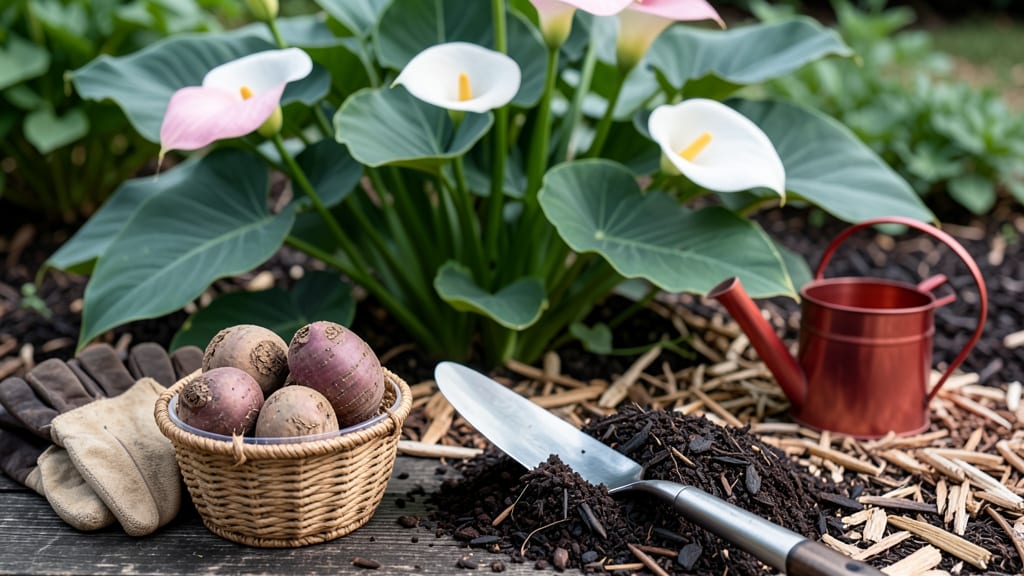
If you're dreaming of dramatic, elegant blooms in your Zone 5 garden, timing is everything—especially when it comes to planting calla lilies 🌸. Get it wrong, and you might end up with stunted growth or missed blooms entirely.
The secret lies in waiting for the right conditions, not just the calendar date.
Calla lilies thrive when the soil warms up to at least 60°F consistently, signaling it's safe to plant after your last frost date. In Zone 5, that typically means late April or early May, but don't rush—cold snaps can still sneak in and damage these tropical beauties.
I'll show you exactly how to time it perfectly for bold, healthy blooms all season.
Whether you're planting rhizomes or tubers, the key is patience. These plants love warmth but hate cold soil, so I'll walk you through the best cues to watch for—like leaf drop on nearby trees or soil temperature tests—to ensure your calla lilies take root strong and flourish.
Ready to transform your garden with striking, low-maintenance blooms? Let's dive into the exact planting window and care tips that'll have your calla lilies putting on a show from spring through summer.
Zone 5 soil temperature guidelines for planting calla lilies
Calla lilies thrive when the soil reaches a consistent 60°F, but Zone 5’s spring can be unpredictable. Planting too early risks frost damage, while waiting too long may delay blooms. Understanding soil temperature triggers ensures your Zantedeschia rhizomes establish roots quickly and flourish.
Most gardeners in Zone 5 wait until late May when soil temperatures reliably stay above 60°F for at least 10 days. This timing aligns with the average last frost date of May 15, but microclimates—like urban heat islands or sheltered garden beds—can shift this window by weeks.
To test soil temperature, use a soil thermometer buried 3 inches deep (the depth where calla rhizomes sit). Check readings in the morning for accuracy. If temperatures dip below 55°F at night, delay planting until conditions stabilize.
For early planting, use black plastic mulch or row covers to warm the soil faster. These methods can safely extend your planting window by 2-3 weeks in Zone 5’s cooler regions.
Calla lilies prefer well-draining, slightly acidic soil (pH 6.0–6.5). Amend heavy clay soils with compost or perlite to improve drainage. Poor drainage leads to root rot, a common issue in Zone 5’s damp springs.
If you’re planting in containers, use a potting mix with 50% peat moss or coconut coir to retain moisture while allowing excess water to drain. Containers warm up faster than in-ground soil, so you can plant 2-4 weeks earlier than outdoor beds.
| Condition | Specification | Action |
|---|---|---|
| Soil Temperature | 60°F+ consistently | Use soil thermometer; wait 10 days |
| Last Frost Date | After May 15 (average) | Check local frost calendars |
| Soil pH | 6.0–6.5 (slightly acidic) | Test with pH kit; amend with sulfur if needed |
| Drainage | Well-draining | Add compost or perlite to clay soil |
| Container Planting | 2-4 weeks earlier | Use peat-based potting mix |
In northern Zone 5 (e.g., Minnesota, Wisconsin), aim for late May to early June planting. Southern Zone 5 areas (e.g., Ohio, Pennsylvania) can plant as early as mid-April if soil temperatures are stable.
After planting, mulch with 2-3 inches of straw or shredded leaves to retain soil warmth and moisture. This is especially critical in Zone 5’s unpredictable weather patterns, where late frosts can still occur in June.
Monitor your calla lilies for yellowing leaves, which may indicate cold stress or poor drainage. If this happens, adjust care immediately—calla lilies are tropical plants that need consistent warmth to thrive.
For fall planting (another viable option in Zone 5), plant 4-6 weeks before the first frost (typically September 15–October 1). This gives rhizomes time to establish before winter dormancy.
Zone 5 soil temperature guidelines for planting calla lilies
Calla lilies thrive when the soil reaches a consistent 60°F (15°C)—this warmth signals their rhizomes to break dormancy and grow. In Zone 5, where spring temperatures fluctuate wildly, waiting for this threshold prevents stunted growth or frost damage.
Most years, this occurs between late April and early May, but microclimates (like south-facing slopes) may warm earlier.
Test soil temperature with a soil thermometer (insert 2-3 inches deep). If readings dip below 55°F (13°C) at night, delay planting until temperatures stabilize. Cold soil can cause rhizome rot or slow emergence, leaving your garden without those coveted dramatic blooms.
For early spring planters, use black plastic mulch or row covers to raise soil temps by 5-10°F. This trick lets you plant 2-3 weeks earlier in protected spots, giving your callas a head start. Just remove covers once true leaves appear to avoid overheating.
| Condition | Zone 5 Specification |
|---|---|
| Ideal Soil Temp | 60°F+ (15°C+) |
| Safe Planting Window | After last frost (May 15 avg.) |
| Cold Soil Risk | Rot/stunted growth below 55°F |
| Warming Hack | Black mulch (+5-10°F) |
| Late Zone 5 (e.g., Chicago) | Wait until May 10-June 1 |
| Early Zone 5 (e.g., St. Louis) | Plant as early as April 20 |
If you’re in northern Zone 5 (e.g., Minnesota), aim for late May planting to avoid late frosts. Southern Zone 5 gardeners (e.g., Kentucky) can start as early as mid-April in sheltered beds.
Always check your local frost dates—a quick online search for "Zone 5 frost calendar [your city]" gives precise timelines.
Pro tip: Plant calla lilies in containers for extra flexibility. You can move pots indoors if a late frost threatens, then return them to the garden once soil warms. This method also lets you experiment with earlier planting dates in a greenhouse or on a sunny patio.
Remember, patience pays off—rushing callas into cold soil often leads to disappointment. Wait for that 60°F trigger, and you’ll reward yourself with months of bold, tropical blooms from summer through fall. 🌸