
Plants
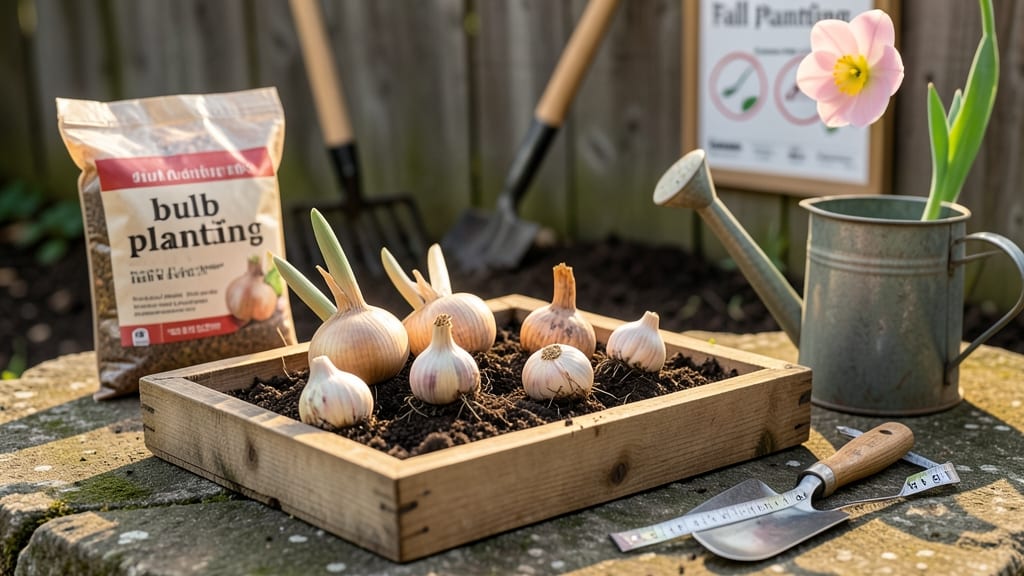
Timing your bulbs planting in Oklahoma isn’t just about the calendar—it’s about outsmarting the state’s unpredictable swings from 90°F summers to sudden freezes. Plant too early, and your tulips might rot; too late, and they’ll miss their chance to root before winter.
The sweet spot? September through November for spring bloomers, when soil stays warm enough to encourage strong roots without inviting pests.
Most gardeners in Oklahoma’s 6b-7a zones swear by fall planting, but there’s a trickier window for spring bloomers like daffodils and crocuses. If you miss the fall boat, early spring (February-March) can work—just be ready to shield them from late frosts.
The key? Planting 6-8 weeks before the ground freezes, usually by mid-November, so roots establish before winter’s chill sets in.
Why does this matter? Because bulbs planted at the wrong time either wither before blooming or struggle to survive Oklahoma’s harsh winters.
I’ve seen firsthand how a well-timed planting transforms a lackluster garden into a spring explosion of color—and I’m here to help you avoid the common pitfalls that leave others scratching their heads.
Let’s break down the exact months, soil prep secrets, and climate hacks to ensure your 🌷 bulbs thrive year after year—no guesswork, just vibrant results. Ready to dig in?
Best months to plant spring-flowering bulbs in Oklahoma zones 6b-7a
Oklahoma’s USDA Zones 6b-7a offer a short window for planting spring-flowering bulbs, but timing is everything. Most gardeners focus on fall planting (September-November) to give bulbs time to establish roots before winter. However, early spring planting (February-March) works too—just with different risks.
The key is planting when soil temperatures drop to 60°F or below. In Oklahoma, this typically happens by mid-September in northern zones (6b) and early October in southern zones (7a). Planting too early (like July) risks rot, while waiting until December leaves bulbs vulnerable to winter freezes.
| Bulb Type | Ideal Planting Month | Depth | Spacing | Notes |
|---|---|---|---|---|
| Tulips | September-October | 6-8 inches | 4-6 inches apart | Needs well-draining soil |
| Daffodils | October-November | 6-8 inches | 5-7 inches apart | Deer-resistant |
| Hyacinths | September-October | 6 inches | 4-5 inches apart | Fragrant blooms |
| Crocuses | September-October | 3-4 inches | 3-4 inches apart | Early bloomer |
For Zone 6b (northern Oklahoma), aim to finish planting by November 15 to avoid winter freezes. In Zone 7a (southern Oklahoma), you can plant slightly later—up to December 1—but monitor weather forecasts for early cold snaps.
If you miss the fall window, don’t panic! Early spring planting (February-March) works for hardy bulbs like daffodils and crocuses. Just plant deeper (8-10 inches) to protect them from late freezes. Avoid planting after March 15, as bulbs may not establish roots before summer heat arrives.
Pro tip: Use a soil thermometer to check temperatures. Bulbs need 40-50°F soil for root growth. If your soil stays warm, wait until nighttime temps drop below 70°F before planting.
Oklahoma’s clay-heavy soils can suffocate bulbs, so amend with compost or plant in raised beds. Add a 2-inch layer of mulch after planting to insulate roots and retain moisture during winter.
Remember: Tulips and hyacinths prefer cooler climates, while daffodils and alliums handle Oklahoma’s heat better. Choose varieties bred for your specific zone to maximize success.
Once planted, water deeply once a week until the ground freezes. In spring, let foliage die back naturally—this feeds the bulb for next year’s blooms! 🌷
Fall planting vs. spring planting: which works better in Oklahoma?
Oklahoma’s fall planting is the gold standard for spring-flowering bulbs like tulips and daffodils because it gives roots time to establish before winter. The cooler fall temperatures (60-70°F) create ideal conditions for root growth, while spring planting risks stunted development if bulbs sprout too early.
In Zones 6b-7a, fall planting also helps bulbs survive Oklahoma’s freeze-thaw cycles better.
Most gardeners in Oklahoma swear by fall planting because it aligns with the natural dormancy cycle of bulbs. When planted in September-October, bulbs develop strong roots before the ground freezes, ensuring vibrant blooms next spring.
However, spring planting (February-March) can work in warmer microclimates or for late-season varieties like alliums. The key difference? Root establishment time—fall-planted bulbs have a 6-8 week head start.
Fall Planting vs. Spring Planting
Fall Planting
- ✅ Pros: Stronger root growth, better winter survival, reliable blooms
- ✅ Ideal for: Tulips, daffodils, hyacinths, crocuses
- ✅ Best months: September-October (6-8 weeks before frost)
Spring Planting
- ⚠️ Cons: Slower growth, risk of early sprouting, weaker blooms
- ✅ Ideal for: Late-season bulbs (alliums, lilies), warm microclimates
- ✅ Best months: February-March (4-6 weeks before last frost)
Oklahoma’s microclimates play a huge role in success. In northern Oklahoma (Zone 6b), where winters are colder, fall planting is non-negotiable—bulbs need that root time. But in southern Oklahoma (Zone 7a), milder winters mean spring planting can work for heat-tolerant varieties like rain lilies.
Always check your last frost date (April 15 for most of Oklahoma) to time spring planting correctly.
One common mistake is planting bulbs too late in fall or too early in spring. In Oklahoma, late November plantings risk frost damage before roots establish, while April spring plantings may see bulbs blooming before they’ve stored enough energy.
Use a soil thermometer—ideal planting temps are 50-60°F for fall and 60-70°F for spring.
For best results, combine fall planting with proper soil prep—Oklahoma’s clay-heavy soils benefit from compost and sand to improve drainage. Mulch with 3-4 inches of straw after planting to insulate bulbs in winter and retain moisture. This combo ensures your bulbs thrive despite Oklahoma’s weather quirks.
If you’re new to bulb planting, start with daffodils and tulips—they’re forgiving and perfect for Oklahoma’s climate. Avoid spring-planting delicate bulbs like hyacinths unless you’re in a protected microclimate.
With the right timing, your garden will burst into color come spring, proving that Oklahoma’s bulb-growing potential is just waiting for the right move.
🌱