
Plants
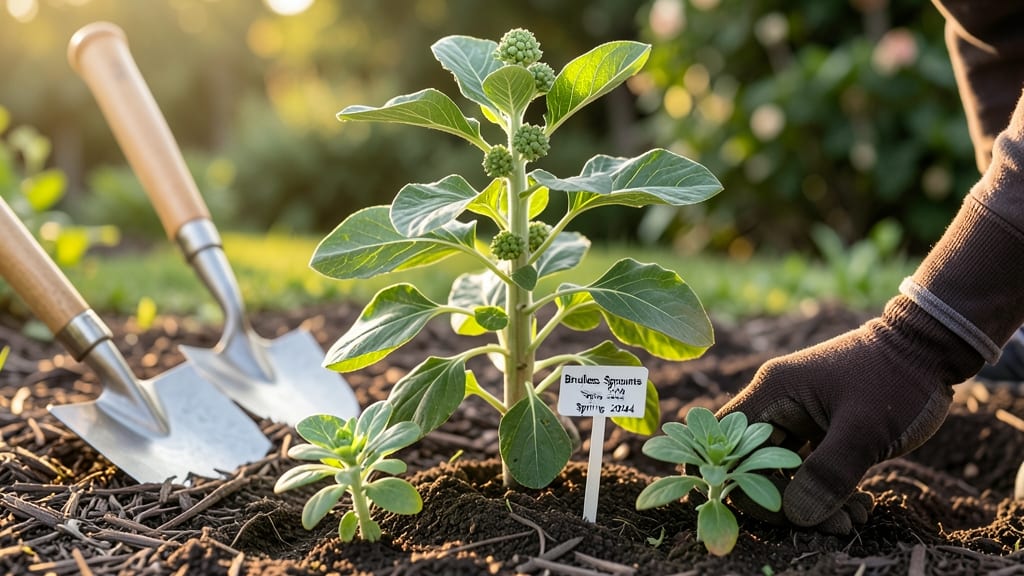
Planting Brussel sprouts 🥦 at the wrong time in Southern California could mean the difference between a thriving winter harvest and sad, bolted plants—especially when coastal Santa Barbara and inland Riverside have completely different optimal windows.
If you've ever wondered why your neighbors' gardens flourish while yours struggles, timing is likely the culprit.
The 9b-11 climate gives us year-round growing potential, but Brussel sprouts need that perfect fall window to avoid summer heat stress or winter frost damage (which, admittedly, is rare but still a factor in high-elevation areas).
I've grown these tough little cabbages for years in SoCal, and the secret isn't just about when to stick them in the ground—it's about understanding how your specific microclimate plays into the equation.
Coastal areas can plant later than inland spots, and that difference can mean weeks of harvest success or wasted effort.
Let me break down the exact planting schedule you need, whether you're in mild coastal zones or hotter inland valleys, plus pro tips to extend your growing season and avoid common mistakes that ruin harvests before they even begin.
Southern California Brussel sprout planting calendar: coastal vs inland start dates compared
Southern California’s diverse microclimates create a planting puzzle for brussel sprouts. Coastal areas like Santa Barbara enjoy mild winters with rare frost, while inland regions like Riverside experience cooler nights—both require precise timing to avoid bolting or stunted growth.
The key? Planting 8–10 weeks before harvest when soil temps drop below 75°F.
Brussel sprouts need 90–100 days to mature, so coastal gardeners should start seeds in late August for a December harvest, while inland growers can wait until early September. The difference? Coastal areas risk heat stress if planted too early, while inland zones may face early frost if delayed.
Here’s the region-specific breakdown you need to time your planting perfectly:
| Region | Best Planting Window | Soil Temp (°F) | Transplant Timing | Harvest Window |
|---|---|---|---|---|
| Coastal (Santa Barbara, San Diego) | Late August–early September | 60–70°F | September–October | December–February |
| Inland (Riverside, Lancaster) | Early–mid September | 55–65°F | October–November | January–March |
| High Elevation (Mountains) | Mid–late September | 50–60°F | October–November | February–April |
Notice how coastal areas can start earlier due to milder nights, while inland zones delay planting to avoid summer heat stress. Even a 1-week delay can mean the difference between a bountiful harvest and bolted plants.
For example, planting in August in Riverside risks 90°F+ soil temps, which stunts growth.
Pro tip: Use a soil thermometer to confirm temps are below 75°F before planting. Coastal gardeners can push the envelope slightly—August starts work if you use shade cloth during peak afternoon heat. Inland growers should wait until mid-September to align with cooler nights.
Brussel sprouts also benefit from succession planting. In coastal areas, sow a second batch in early October for a February harvest, while inland gardeners can add a third planting in late September for a March–April crop. This extends your harvest window and reduces waste.
One critical factor often overlooked? Frost risk. While most of SoCal is frost-free, high-elevation areas (like Big Bear) can see light frosts in December. If you’re in these zones, plant by mid-September and use row covers to protect young plants.
Coastal areas rarely need frost protection, but coastal fog can delay maturity—plan for 10–14 extra days if fog is heavy.
For container gardening, adjust your timeline by 2 weeks earlier. Pots heat up faster and dry out quicker, so coastal container gardeners should start seeds in mid-August, while inland growers can begin in early September.
Use black plastic pots to absorb heat and self-watering containers to maintain moisture.
Finally, don’t forget that brussel sprouts thrive in cool weather. If your winter temps stay above 60°F (common in coastal SoCal), your plants may bolt prematurely.
In these cases, opt for longer-maturing varieties like ‘Long Island Improved’ (120 days) or ‘Jade Cross’ (90 days), which handle warmth better than standard types.
Timing your brussel sprout planting isn’t just about the calendar—it’s about reading your microclimate. Use this guide as your starting point, then adjust based on your specific location’s frost dates and soil conditions.
With the right schedule, you’ll enjoy homegrown sprouts from December to April—no grocery store needed! 🥦
How to adjust your planting schedule for Southern California’s microclimates
Southern California’s microclimates can throw off even the most experienced gardener. Coastal areas like Santa Barbara enjoy milder winters, while inland spots near Riverside can dip into the 40s°F at night.
These temperature swings mean your Brussel sprout planting schedule must be flexible. Adjusting for your specific zone ensures your plants mature before summer heat arrives.
Elevation plays a huge role too. Gardens in mountainous regions (like Big Bear Lake) may experience frost, while valleys like San Fernando stay frost-free year-round. If you’re unsure about your microclimate, check USDA Zone 9b-11 maps—but remember, local conditions often override these general guidelines.
A quick neighborhood walk to observe nearby plants can reveal hidden clues.
Urban heat islands in cities like Los Angeles can make your garden feel 5-10°F warmer than rural areas just miles away. This extra heat stresses Brussel sprouts, which prefer cooler 60-70°F growing temperatures. If your garden sits in a concrete jungle, consider shade cloth or succession planting to spread out your harvest over a longer period.
🚨 Callout Warning 🚨
Coastal Gardens: Planting too early (before September 15) risks heat stress from lingering summer warmth. Inland Gardens: Waiting until after October 15 may mean sprouts mature too late, facing spring heat before harvest.
Solution: Use row covers to protect seedlings from unexpected cold snaps in inland areas, or mulch heavily to retain moisture in coastal heat.
For gardeners in coastal fog belts (like Malibu or Santa Cruz Island), morning fog can delay soil warming. Start seeds indoors 6-8 weeks before transplanting to give them a head start.
Inland areas can plant directly in the soil by mid-September, but use cold frames if nights drop below 50°F.
Succession planting is your secret weapon for extending harvests. In USDA Zone 10 (e.g., Palm Springs), sow a second batch in early November for a spring harvest before summer heat sets in. Pair this with dwarf varieties like 'Long Island Improved', which mature faster in warm climates.
Finally, monitor your garden’s soil temperature with a soil thermometer. Brussel sprouts thrive when soil stays between 55-65°F. If temperatures creep higher, shade cloth or drip irrigation can keep roots cool.
Inland gardeners should aim for September 1-15 planting, while coastal gardeners can wait until September 15-30 for safer results.
With these adjustments, you’ll avoid the top 3 mistakes that ruin harvests—and enjoy homegrown Brussels sprouts from December to March, no matter where you garden in Southern California. 🌱