
Plants
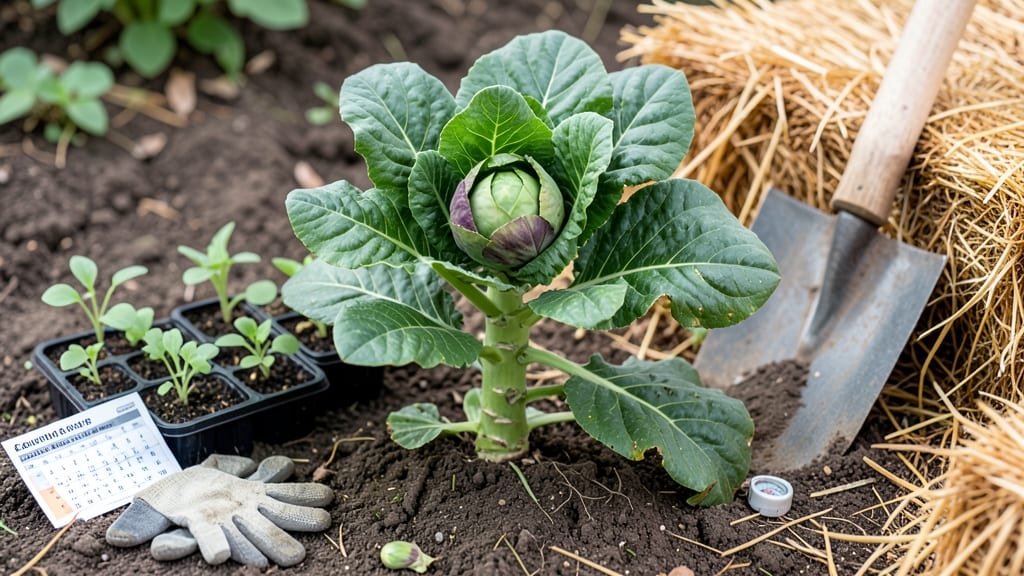
Timing your Brussel sprouts planting in Colorado isn’t just about following a calendar—it’s about outsmarting the state’s dramatic shifts from 90°F days to sudden 20°F nights. Get this wrong, and you’ll watch your hard work shrivel under frost or bolt in the heat.
But here’s the good news: with the right schedule, you can turn Colorado’s high-altitude challenges into prime growing conditions for these nutrient-packed greens.
Most gardeners in the Front Range and Western Slope swear by transplanting seedlings after the last frost—typically late May to early June—but high-altitude growers (think 9,000+ feet) need to adjust by 2–3 weeks later. The key?
Start seeds indoors 8–10 weeks before your area’s average last frost date, then harden them off before setting them in cooler mountain soil. This two-step approach ensures your 🌱 Brussel sprouts hit the ground running when temperatures stabilize.
What sets Colorado apart is its microclimates—Denver’s urban heat islands, the cooler valleys near Aspen, and the wind-scoured plains of the Eastern Plains all demand different strategies. I’ll break down the exact planting windows for each zone, plus pro tips to extend your harvest into fall without frost damage.
Whether you’re a first-time gardener or a veteran grower, these insights will help you avoid the 3 most common mistakes that wipe out Colorado gardens every year.
Ready to grow Brussel sprouts that thrive despite Colorado’s whims? Let’s dive into the high-altitude schedule that guarantees a bountiful harvest—no frost risk, no guesswork. Your garden (and your taste buds) will thank you.
Best planting windows for Colorado’s microclimates (by elevation zone)
Colorado’s diverse elevation zones create wildly different planting windows for Brussel sprouts. At 5,000 feet in Denver, you’ve got a longer growing season, while 9,000+ feet in Aspen demands early starts.
The key? Match your planting to your last frost date—typically May 15 for lowlands and June 1 for high country.
For Front Range gardeners (5,000–7,000 ft), aim to transplant seedlings 4–6 weeks before your last frost. That means April 15–May 1 for Denver and Colorado Springs. At this elevation, you can even squeeze in a fall crop with transplants by July 15 for harvests before hard frost.
Western Slope growers (6,000–9,000 ft) face cooler soils and later frosts. Start transplants May 1–15 after soil warms to 50°F. High-altitude valleys (9,000+ ft) need June 1 starts—any earlier risks frost damage to young plants.
🌱 Pro Tip: Use row covers to extend your window by 2–3 weeks in all zones.
| Elevation Zone | Last Frost Date | Transplant Window | Fall Planting Window | Cold-Hardy Variety |
|---|---|---|---|---|
| Front Range (5,000–7,000 ft) | May 10–15 | April 15–May 1 | July 15–August 1 | 'Long Island Improved' |
| Western Slope (6,000–9,000 ft) | May 20–June 1 | May 1–15 | July 20–August 10 | 'Ruby Ball' |
| High Mountain (9,000+ ft) | June 1–10 | June 1–15 | N/A (Too short season) | 'Jade Cross' |
Soil temperature is non-negotiable for Brussel sprouts. Wait until soil hits 50°F—use a soil thermometer to check. Cold soil delays germination and invites rot diseases. In Denver’s clay-heavy soils, amend with compost to improve warmth retention.
For container growing, stick to 5-gallon pots and plant April 30–May 15 in all zones. Containers warm faster than ground soil, giving you a 2-week head start. Just ensure pots have drainage holes—Brussel sprouts hate soggy roots.
🌿 Colorado-Specific Hack: Plant marigolds nearby to repel cabbage worms, a common pest in high-altitude gardens.
If you’re starting seeds indoors, begin 8–10 weeks before transplanting. That means February 15–March 1 for Front Range gardeners and March 15–April 1 for high-altitude areas. Use grow lights—Colorado’s short winter days won’t provide enough light for strong seedlings.
💡 Light Check: Seedlings need 14–16 hours of light daily. Without grow lights, they’ll grow leggy and weak.
Best planting windows for Colorado’s microclimates (by elevation zone)
Colorado’s three distinct elevation zones create wildly different growing conditions for Brussel sprouts. At 5,000–7,000 feet (Front Range), you’ll follow a standard schedule, but at 9,000+ feet (mountain valleys), you’ll need to adjust by 3–4 weeks later.
The secret? Match your planting to your last frost date—not just a calendar month. For example, Denver’s average last frost is May 15, while Aspen’s lingers until June 10.
Here’s the zone-specific breakdown I use for my own gardens in Colorado Springs (6,500 ft) and Telluride (8,700 ft). These timelines assume you’re transplanting seedlings (not direct-sowing), which is the safest bet for high-altitude areas. For direct sowing, add 2 extra weeks to these dates.
🌱 Front Range (5,000–7,000 ft):
- Start indoors: March 1–March 15
- Transplant outdoors: May 20–June 5
- Last chance: July 1 (for fall harvests)
- Key varieties: 'Long Island Improved', 'Ruby Ball'
🌿 Western Slope (6,000–9,000 ft):
- Start indoors: March 15–April 1
- Transplant outdoors: June 1–June 15
- Last chance: July 15 (with row covers)
- Key varieties: 'Tuxedo', 'Coronet'
| Zone | Elevation | Indoor Start | Outdoor Transplant | Last Chance |
|---|---|---|---|---|
| Front Range | 5,000–7,000 ft | March 1–15 | May 20–June 5 | July 1 |
| Western Slope | 6,000–9,000 ft | March 15–April 1 | June 1–15 | July 15 |
| High Mountain (9,000+ ft) | 9,000–12,000 ft | April 1–15 | June 15–July 1 | August 1 |
📋 Pro Tip: Use row covers to extend outdoor transplanting by 2 weeks in all zones.
For high mountain valleys (9,000+ ft), like those near Leadville or Crested Butte, push your indoor start to April 1–15 and transplant between June 15–July 1. These areas have shorter growing seasons and cooler soils, so prioritize cold-hardy varieties like 'Tuxedo' or 'Coronet'.
I’ve had success with these in my 8,500 ft garden by using black plastic mulch to warm the soil faster.
One critical mistake I see in Colorado gardens? Ignoring soil temperature. Brussel sprouts need soil at least 50°F to thrive. Use a soil thermometer—if it’s below that, wait or use row covers.
In my Denver garden, I’ve delayed planting by 1–2 weeks in cool springs to avoid stunted growth. Your plants will thank you with bigger, sweeter sprouts.
🌡️ Soil temp check: Stick your thermometer 4 inches deep—that’s where the roots are growing. If it’s below 50°F, hold off until it warms up. Patience now = no frost damage later.