
Plants
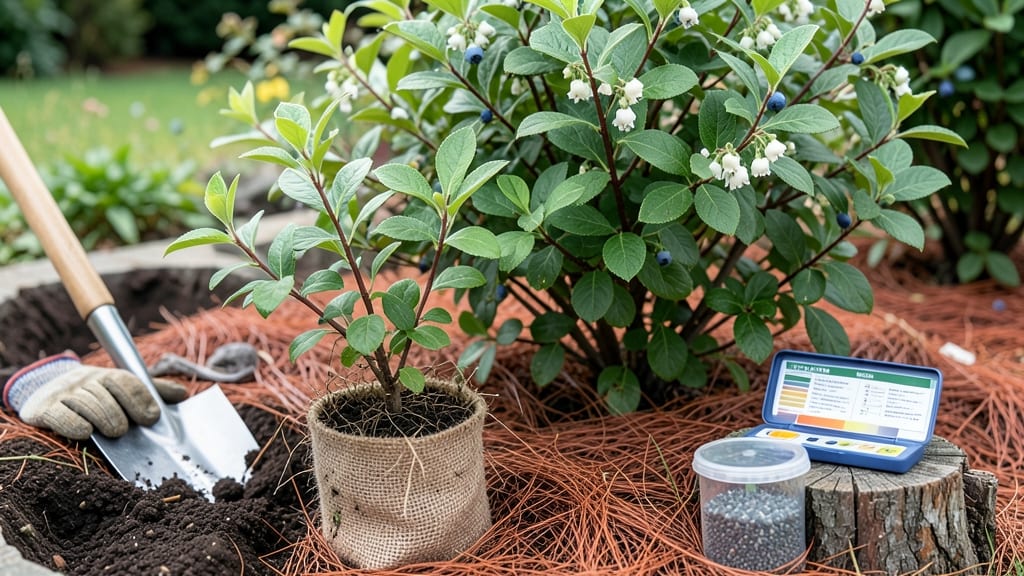
Timing your blueberry planting in Utah can mean the difference between a thriving 🫐 bush and a frost-nipped failure—especially when you're dealing with USDA zones 5b-7b and unpredictable mountain weather.
The wrong window, and your young plants could get caught in late spring frosts or struggle to establish roots before winter. But get it right, and you’ll be harvesting sweet Utah-grown berries by next summer.
Most Utah gardeners assume spring is the only option, but fall planting actually works too—if you know the tricks to protect your plants from early cold snaps.
I’ll break down the exact frost-free windows by county, so you can plant with confidence whether you’re in Cache Valley’s cooler climate or Washington County’s warmer microclimate. No more guessing games.
Here’s the game-changer: soil prep matters just as much as timing. Utah’s naturally alkaline dirt can stunt your 🫐 bushes if you don’t amend it first—and I’ll show you how to create the perfect acidic growing conditions, even in desert soil.
Plus, I’ll share my top tips for watering, mulching, and protecting young plants from Utah’s extreme temperature swings.
Ready to grow blueberries that actually thrive? Let’s dive into the step-by-step planting schedule that’s worked for Utah gardeners from beginners to pros—so you can enjoy your first harvest in July or August without the stress. Your future breakfast pancakes will thank you.
Utah county blueberry planting timeline by heat zone (USDA 5-9)
Timing your blueberry planting in Utah depends on your USDA heat zone and local last frost dates. Most of Utah falls within USDA zones 5b-7b, but elevation changes everything—high desert areas like Cache Valley (zone 6) freeze earlier than Washington County (zone 7).
Aim for planting 2-4 weeks after your average last frost, typically late April to early May.
Spring planting is ideal in Utah because it gives bushes 6-8 weeks to establish roots before summer heat arrives. Fall planting is riskier—only attempt it in zone 7b+ (southern Utah) with 6+ weeks before first frost. Northern Utah gardeners should stick to spring to avoid winter dieback.
Here’s how Utah’s microclimates affect planting:
| County/Zone | Last Frost (Avg.) | Planting Window | Soil Prep Tip |
|---|---|---|---|
| Cache (Zone 6) | April 15 | Late April–May 10 | Add peat moss to clay soil |
| Salt Lake (Zone 6a) | April 20 | May 1–15 | Test pH (aim for 4.5–5.5) |
| Washington (Zone 7b) | March 25 | Late March–April 30 | Mulch heavily (3" pine needles) |
| Duchesne (Zone 5b) | May 5 | May 20–June 1 | Use frost cloth for early plants |
For northern Utah (zones 5b-6a), prioritize spring planting after May 1 to avoid late frosts. In southern Utah (zone 7b+), you can plant as early as late March, but monitor soil temperatures—roots need 45°F+ to thrive. Use a soil thermometer to confirm.
Utah’s alkaline soils (pH 7.5–8.5) are the biggest challenge. Blueberries need acidic soil (pH 4.5–5.5), so amend with sulfur or peat moss 4–6 weeks before planting. Spread 3–4 inches of compost and till it in to improve drainage in Utah’s clay-heavy soils.
If you’re in high-elevation areas (8,000+ ft), like Park City or Ogden, delay planting until mid-May to avoid late spring frosts. These areas have shorter growing seasons, so choose dwarf varieties like ‘Top Hat’ or ‘Patriot’ for faster harvests.
Protect young plants with row covers if nighttime temps drop below 28°F after planting. Utah’s temperature swings can be brutal—even in summer, mountain breezes can drop temps 20°F in hours. Mulch with pine straw or wood chips to insulate roots and retain moisture.
For container growing in Utah, plant in early April and keep pots in a protected spot (like a garage or cold frame) until soil warms. Containers dry out faster in Utah’s low humidity, so water daily until established.
Remember: Blueberries take 2–3 years to bear fruit in Utah’s climate. Patience pays off—once established, they’ll thrive with minimal care and reward you with sweet, juicy berries every summer.
Critical mistakes to avoid when planting blueberries in Utah’s climate
Utah’s alkaline soils and temperature extremes create unique challenges for blueberry growers. One common mistake is choosing the wrong blueberry variety—northern highbush types thrive in cooler climates, while southern highbush varieties struggle in Utah’s USDA zones 5-7.
Another pitfall is ignoring soil pH adjustments, as Utah’s natural alkalinity can stunt growth. Let’s break down these critical errors and how to avoid them.
Many gardeners also overwater during Utah’s dry summers, thinking blueberries need constant moisture. However, overwatering can lead to root rot, especially in clay-heavy soils. Conversely, others underestimate water needs during heatwaves, causing stress.
Balancing moisture is key—deep watering every 3-5 days is ideal, but adjust based on rainfall and soil type.
Here’s a quick comparison of hardy vs. tender varieties for Utah’s climate:
| Variety | Notes |
|---|---|
| Northern Highbush (e.g., 'Bluecrop', 'Jersey') | Best for Utah’s cooler zones (5-6); cold-hardy and productive. |
| Southern Highbush (e.g., 'O’Neal', 'Misty') | Struggles in Utah’s winters; avoid unless in microclimates like St. George. |
| Rabbiteye (e.g., 'Tifblue') | Tolerates heat but needs protection from late frosts. |
Another critical error is planting too late in spring. Utah’s last frost typically hits mid-April, but elevation changes this timeline. Planting in late May or June gives young bushes little time to establish roots before winter, leaving them vulnerable to freeze damage.
Always check your local USDA heat zone and aim for planting between late March and early May.
Utah’s high desert winds can also dry out young plants. Many gardeners forget to mulch heavily with organic matter like pine needles or wood chips to retain moisture and acidity.
Without mulch, your soil’s pH will rise, and roots will suffer. Test your soil’s pH before planting—aim for 4.5-5.5—and amend with sulfur or peat moss if needed.
Finally, avoid over-fertilizing with nitrogen-heavy products. Utah’s alkaline soils already provide enough nitrogen, but blueberries need acid-loving fertilizers like cottonseed meal or a 10-10-10 balanced blend. Too much nitrogen leads to leafy growth at the expense of fruit production, which is the opposite of what you want!
By steering clear of these mistakes, your Utah blueberry bushes will thrive—yielding sweet, juicy berries for years to come. 🫐