
Plants
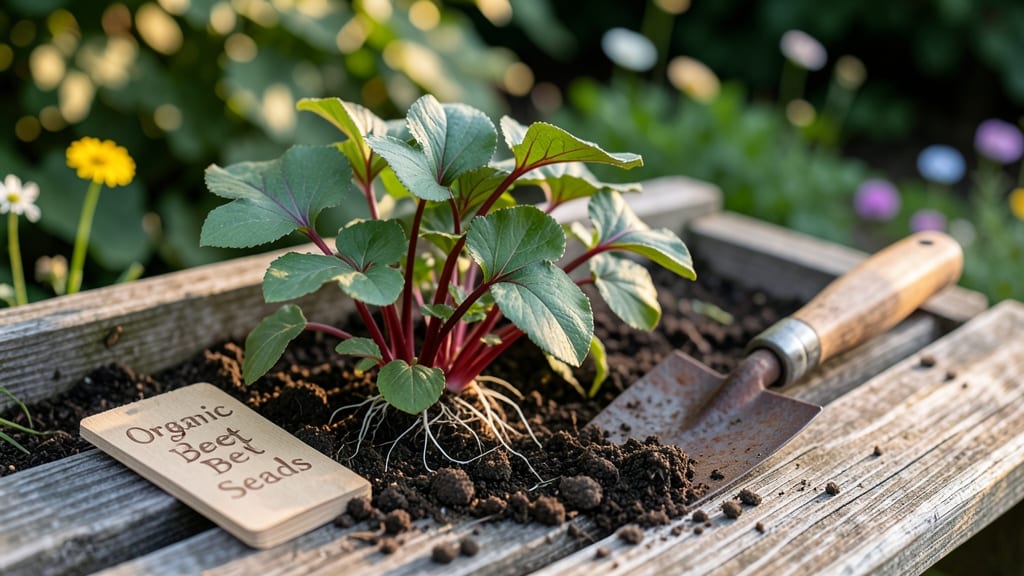
If you're wondering when to plant beets in Zone 7a, timing is your secret weapon for sweet, tender roots instead of bitter greens or tough bulbs.
These cool-loving veggies 🍠 actually prefer the shoulder seasons when temperatures are mild—think March for spring and July-August for fall—giving you two prime chances to grow them successfully.
The key is planting 4–6 weeks before your last frost date (around March 15 in 7a) for spring beets, while fall plantings should go in by early August to mature before the first frost hits in mid-November.
This schedule ensures your beets develop properly without bolting too early or struggling in summer heat.
You don’t need to start seeds indoors—beets germinate best when sown directly into well-drained soil at 50–70°F. Whether you’re a coastal gardener or inland, this timing works for most of Zone 7a, though coastal areas might push spring plantings slightly later thanks to milder microclimates.
Ready to grow? I’ll walk you through exact dates, soil prep, and even how to squeeze in a second crop for a continuous harvest. Let’s get those beets in the ground the right way.
Best planting windows for beets in Zone 7a (spring vs fall)
In Zone 7a, beets love the cool shoulders of spring and fall, but timing is critical to avoid bolting or woody roots.
The key is planting when soil temperatures stay between 50°F and 75°F—too hot, and your beets will turn tough; too cold, and they’ll struggle to germinate.
For most of Zone 7a, the last frost date falls around March 15, while the first frost typically arrives by November 15.
This gives you a 180-day growing window, but beets are fast growers—ready in just 50–60 days—so you can actually fit in two full harvests per year if you plan carefully.
Here’s the breakdown: Spring plantings should start 4–6 weeks before your last frost (around mid-February to early March), while fall plantings go in 8–10 weeks before your first frost (typically late July to early August).
📅 Zone 7a Beet Planting Comparison
| Season | Planting Window | Soil Temp | Harvest Window | Key Tip |
|---|---|---|---|---|
| Spring | Mid-February to early March | 50°F–65°F | May–June | Use row covers if nights dip below 40°F. |
| Fall | Late July to early August | 60°F–75°F | October–November | Choose bolt-resistant varieties like 'Detroit Dark Red' for heat. |
⚠️ Note: Coastal areas in Zone 7a may have later last frosts (April 15) and earlier first frosts (October 30). Adjust dates accordingly!
If you’re in a cooler microclimate (like higher elevations), push spring plantings back 1–2 weeks to avoid early heat stress. Conversely, inland or urban heat islands may require earlier spring starts or shade cloth to prevent bolting.
For direct sowing (the easiest method for beets), scatter seeds ½ inch deep in well-draining soil with a pH of 6.0–7.0. Thin seedlings to 2–3 inches apart once they’re 2 inches tall—this prevents overcrowding and ensures plump roots.
Pro tip: Sow seeds every 2 weeks within your planting window for a staggered harvest. This way, you’ll always have fresh beets without a glut all at once.
One common mistake in Zone 7a is waiting until April to plant spring beets. By then, soil temps may already be too warm, leading to bolt-prone greens. Start early, and you’ll avoid this pitfall entirely.
For fall plantings, aim to harvest before October 15 to beat the first frost. If you’re pushing it, use row covers to extend the season by 2–3 weeks.
Finally, if you’re new to beets, try a small test batch in early spring to gauge your soil’s readiness. Beets are forgiving but demand consistency—once you nail the timing, you’ll enjoy crisp, sweet roots all season long.
Best planting windows for beets in Zone 7a (spring vs fall)
Zone 7a’s mild winters and hot summers create a perfect window for two beet harvests—spring and fall—if you time it right. For spring beets, aim to sow seeds 4–6 weeks before your last frost date (around mid-March in most of Zone 7a).
This timing ensures your beets mature before summer heat triggers bolting, which turns your sweet roots into bitter greens.
Soil temperatures are critical: beets germinate best when soil is between 50–70°F. Use a soil thermometer to confirm—if it’s cooler, wait a few days.
In coastal areas of Zone 7a, you might push spring plantings slightly later (early April) thanks to milder microclimates, but inland gardeners should stick to mid-March for safety.
For fall beets, the window is tighter: sow seeds by early August to give them 60–70 days to mature before the first frost (typically mid-November in Zone 7a). Late plantings in September risk immature roots, while early August starts ensure a full harvest before winter sets in.
| Season | Planting Window | Soil Temp | Days to Harvest | Key Tip |
|---|---|---|---|---|
| Spring | Mid-March to early April | 50–70°F | 50–60 days | Thin seedlings to 2–3" apart |
| Fall | Early August to mid-September | 60–75°F | 60–70 days | Use row covers for late plantings |
Pro tip: Succession plant every 2 weeks in spring and fall to stagger harvests. Sow a small batch every 10–14 days for a continuous supply of fresh beets. This works especially well for baby beets, which mature in just 40–50 days and can be harvested smaller for salads.
If you’re in a hotter inland area of Zone 7a, consider shade cloth during peak summer months to protect seedlings from heat stress. Beets despise temperatures above 80°F, so providing afternoon shade can extend your growing season by a few weeks.
Remember, direct sowing is best—beets hate transplanting. Scatter seeds thinly (they’re tiny!) and keep the soil moist until germination, which typically takes 7–14 days at the right temperatures. With these windows, you’ll avoid the two biggest beet-growing mistakes: bolting from heat and frost damage.