
When to Plant Beans in Utah: Exact Weeks Before Last Frost by County

Plants

When to Plant Beans in Utah: Exact Weeks Before Last Frost by County

Timing your beans 🌱 planting in Utah isn’t just about waiting for spring—it’s about catching that narrow window between frost and scorching summer heat. Get it wrong, and you’ll either watch your seedlings freeze or struggle with beans that bolt too fast in the desert sun.

Here’s the game-changer: most Utah gardeners plant beans between April 15 and June 15 (after last frost), but your exact county matters. Whether you’re in Salt Lake’s urban heat islands or Weber’s cooler valleys, the right timing ensures plump pods instead of stunted plants.

I’ll break down the exact weeks before last frost for Utah’s top counties, plus pro tips to adjust for elevation, soil, and even Utah’s infamous microclimates. No more guessing—just a harvest you can count on.

Ready to turn your garden into a bean bonanza? Let’s dive into the perfect planting schedule for your Utah zone, so you’re harvesting fresh beans 🌱 all summer long.

🌱 When to Plant Beans
Jan ❄️
Feb ❄️
Mar 🌱
Apr 🌱
May 🌱
Jun 🌱
Jul 🌱
Aug ☀️
Sep 🍂
Oct 🍂
Nov 🍂
Dec ❄️
Ideal Time
Also Good

Utah county-specific bean planting dates by last frost timeline

Utah’s diverse climate means your bean planting schedule should match your county’s last frost date. Whether you’re in Salt Lake City’s urban heat island or Logan’s high-altitude valley, timing is everything.

Below are the exact weeks before last frost for Utah’s top 10 counties, plus soil temperature thresholds to ensure success.

Beans thrive when soil temperatures hit at least 60°F. In Utah, this typically aligns with 2-4 weeks after last frost, depending on elevation. For example, St. George’s desert climate allows earlier plantings, while Park City’s high elevation may require waiting until late May.

Always verify your county’s frost dates using the Utah State University Extension frost calculator.

🌱

County Last Frost Date Planting Window (Spring) Fall Planting Window Soil Temp Threshold
Salt Lake April 15 April 30 - May 15 August 15 - Sept 1 60°F+
Utah April 20 May 5 - May 20 August 1 - Aug 15 60°F+
Davis April 10 April 25 - May 10 August 10 - Aug 25 60°F+
Weber April 12 April 27 - May 12 August 5 - Aug 20 60°F+
Cache May 5 May 20 - June 1 July 30 - Aug 10 65°F+
Washington April 25 May 10 - May 25 August 5 - Aug 20 60°F+
Box Elder May 1 May 15 - May 30 July 25 - Aug 10 65°F+
Iron April 5 April 20 - May 5 August 10 - Aug 25 60°F+
Washington (Heber) May 10 May 25 - June 5 July 20 - Aug 5 65°F+
Washington (St. George) March 15 March 30 - April 15 Sept 1 - Sept 15

How to adjust planting for Utah’s microclimates and soil conditions

Utah’s geography is as varied as its gardening challenges—high-altitude valleys like Logan freeze later than St. George’s desert heat. This means your bean planting timeline should shift based on elevation, soil type, and even urban heat islands.

For example, Salt Lake City gardeners can start beans in early April, while Park City may wait until mid-May to avoid frost. Let’s break down how to adapt your strategy for Utah’s unique growing zones.

Soil temperature is your first clue—beans need soil at 60°F or warmer to germinate properly. In Utah’s alkaline soils, adding compost or aged manure improves drainage and fertility. If your soil is rocky (common in Wasatch Front areas), mix in sand or perlite to prevent waterlogging. For desert regions like Washington County, mulch heavily to retain moisture.

🌱 Utah Microclimate Adjustments for Bean Planting

  1. High Elevation (4,000–8,000 ft): Wait until 2 weeks after last frost (e.g., Logan, Park City). Use row covers for early starts.
  2. Desert Regions (2,000–4,000 ft): Plant in late March–early April (e.g., St. George, Cedar City). Water deeply 2x/week to prevent drought stress.
  3. Urban Heat Islands (Salt Lake City): Start 2–3 weeks earlier than rural areas. Choose heat-tolerant varieties like ‘Blue Lake’ or ‘Kentucky Wonder’.
  4. Mountain Valleys (e.g., Cache Valley): Extend season with cold frames or plant pole beans (taller varieties tolerate cooler temps better).
  5. Alkaline Soils (pH 7.5+): Amend with sulfur or peat moss to lower pH. Test soil before planting—Utah State Extension offers free kits.

Watering is another critical adjustment. In dryland Utah, beans need 1–2 inches of water per week, but drip irrigation is best—it delivers moisture directly to roots without wetting foliage (which invites fungal diseases).

For container gardens in cities, water daily in summer since pots dry out faster. If you’re in a high-desert area, water in the early morning to reduce evaporation.

Utah’s fall planting window is often overlooked but can yield a second harvest. Aim for August 15–September 15, giving beans 60–80 days to mature before the first frost (typically mid-October in most regions).

Use black plastic mulch to warm soil and extend the season. In northern Utah, consider cold-hardy varieties like ‘Provider’ beans, which tolerate lighter frosts.

Succession planting is a Utah gardener’s secret weapon. Instead of one big planting, sow bush beans every 2 weeks from April to July for a steady harvest. Pole beans, which take longer to mature, can be planted in late May for a late-summer crop. This works especially well in short-season zones like Richfield or Price, where summers are brief.

Finally, don’t underestimate the power of shade cloth in Utah’s intense summer sun. If you’re in St. George or Moab, use 30–50% shade cloth to protect young plants from 100°F+ temperatures.

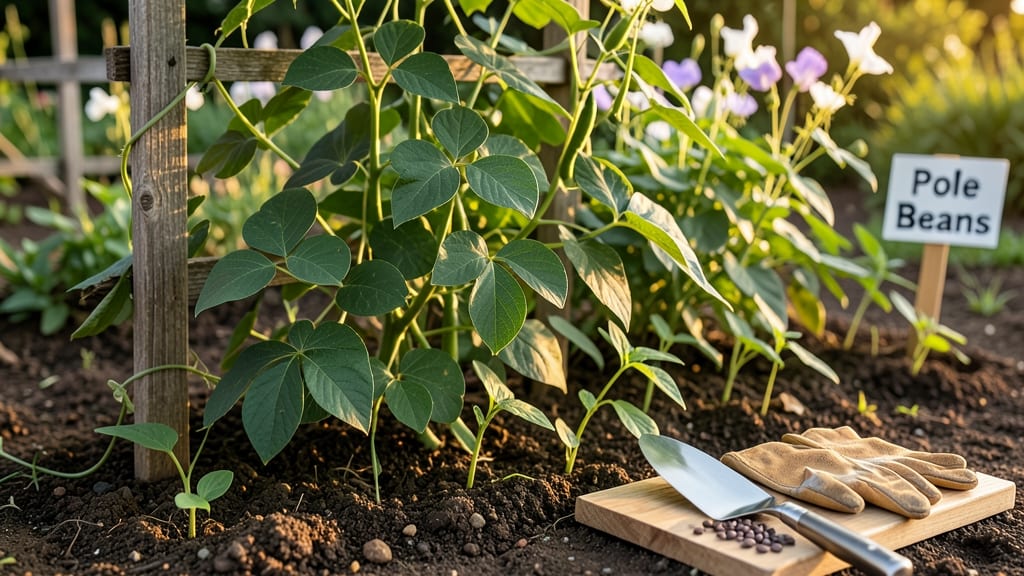
For pole beans, provide a trellis or sturdy fence—this saves space and improves air circulation, reducing disease risk. With these adjustments, you’ll turn Utah’s challenges into a bean-growing advantage.

🌿

★★★★★4.8(9 reviews)
Categories Plants