
Plants
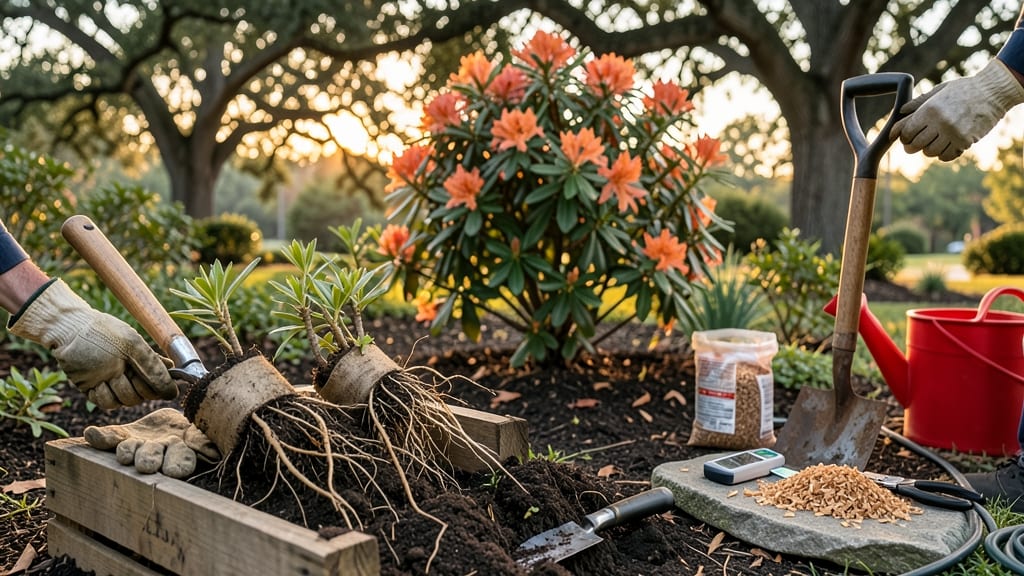
Timing your azalea planting in Florida could mean the difference between vibrant 🌸 blooms and struggling shrubs that never quite thrive. The state’s unique climate—from frost-prone North Florida to frost-free coastal regions—means there’s no one-size-fits-all answer.
If you’ve ever wondered why some azaleas flourish while others wilt, the secret lies in understanding late summer to early fall as the sweet spot. This window gives roots time to establish before summer’s brutal heat or winter’s chill sets in.
But here’s the catch: coastal areas and inland zones behave differently. A North Florida gardener in Zone 8a needs to plant earlier than a South Florida grower in Zone 11. I’ll break down exactly when to dig in, whether you’re working with container-grown or bare-root azaleas.
Ready to set your azaleas up for success? Let’s dive into the perfect planting times—and why getting it right makes all the difference.
Optimal azalea planting months in Florida: coastal vs inland differences
Florida’s diverse climate zones mean azalea planting timing varies dramatically from the Panhandle to the Keys. In North Florida (USDA Zones 8a-8b), where frost can still occur, aim for late winter to early spring (February-March) to avoid late-season heat stress.
Meanwhile, Central and South Florida (Zones 9a-11) thrive with late summer to early fall (August-October) plantings, when humidity is high and summer’s intensity has eased.
This regional split isn’t just about temperature—it’s also about soil moisture and humidity levels. Coastal areas like Miami or Tampa benefit from August-September plantings when afternoon showers are frequent, while inland Orlando or Gainesville gardeners should target September-October to capitalize on lingering summer rains before winter’s dry spell.
Container-grown azaleas offer more flexibility than bare-root varieties, allowing plantings up to November in most regions. However, even these adaptable shrubs struggle if planted too late, as root establishment slows when nights grow cooler. For Panhandle gardeners, early spring plantings give roots time to harden off before summer’s peak heat.
🌸 Florida Azalea Planting Windows by Region
| Region | USDA Zone | Best Planting Months | Key Consideration |
|---|---|---|---|
| North Florida (Panhandle) | 8a-8b | February-March | Avoid late frosts |
| Central Florida (Orlando) | 9a-9b | September-October | Capitalize on summer rains |
| South Florida (Miami) | 10a-11 | August-September | High humidity aids root growth |
| Coastal Areas | 9a-10b | August-October | Salt spray tolerance varies |
For coastal plantings, consider salt tolerance—some azalea varieties like Rhododendron 'Birkdale Pink' handle brackish conditions better than others. In these areas, August plantings align with natural rainfall patterns, reducing irrigation needs. Meanwhile, inland gardeners should prioritize September to avoid summer’s 90°F+ temperatures, which can cause transplant shock.
Soil preparation is equally critical. Florida’s native soil is often alkaline and poorly draining, so amend with peat moss or pine bark to achieve the acidic pH (4.5-6.0) azaleas crave.
Test your soil’s pH before planting—amendments take 4-6 weeks to fully integrate. In sandy soils common in Central Florida, add organic matter like compost to improve water retention.
Another key factor is leaf color at planting. Green-leaf azaleas (like Rhododendron 'Girard's Rose') tolerate slightly hotter conditions than evergreen varieties, making them ideal for late summer plantings.
For coastal gardens, choose salt-resistant cultivars like 'Bow Bells' or 'Coral Bells', which thrive in USDA Zone 10b and beyond.
Timing also affects bloom performance. Azaleas planted in late summer often produce fewer flowers the first year as energy goes to root establishment. To maximize spring blooms, prioritize early fall plantings in Central/South Florida or early spring in North Florida.
Mulch heavily after planting to retain moisture and regulate soil temperature—critical in Florida’s humid yet variable climate.
Pro tip: Container-grown azaleas can be planted up to 6 weeks later than bare-root varieties because their root systems are already established. This flexibility lets Central Florida gardeners extend plantings into early November without risking winter stress. Just ensure containers are well-watered before transplanting to minimize shock.
Remember, Florida’s microclimates create local variations even within regions. For example, Tallahassee’s cooler inland climate may support March plantings, while nearby Apalachicola’s coastal influence shifts the window to February.
Always check local frost dates and monitor weekly rainfall patterns—your azaleas will thank you with vibrant, long-lasting blooms.
Optimal azalea planting months in Florida: coastal vs inland differences
Florida’s diverse climate means azalea planting times vary dramatically between regions. In North Florida (USDA Zones 8a-8b), where frost is a real risk, aim for late February to March to avoid winter chills.
Meanwhile, Central and South Florida (Zones 9a-11) can plant year-round, but August to October is ideal to beat summer’s heat waves. Coastal areas benefit from higher humidity, while inland zones need extra moisture during establishment.
Container-grown azaleas offer more flexibility—they can go in any month with proper care. However, bare-root azaleas need cooler soil, so fall planting is best for inland areas.
Coastal gardeners can extend their window into early spring thanks to milder winters. Always check soil temperature—it should be above 60°F for root growth.
| Region | Best Planting Window | Key Considerations |
|---|---|---|
| North Florida (Zones 8a-8b) | Late Feb - March | Frost risk; cooler temps |
| Central Florida (Zones 9a-9b) | August - October | Humidity helps; avoid summer drought |
| South Florida (Zones 10a-11) | Year-round (peak: Sept-Nov) | No frost; focus on rainfall timing |
| Coastal Areas (All Zones) | March - May or Sept-Nov | Higher humidity; watch for salt spray |
For coastal Florida, timing aligns with rainfall patterns. Plant during September showers to reduce irrigation needs. Inland areas should prioritize August planting to give roots time to establish before October heat.
Always test soil pH—azaleas thrive in acidic soil (4.5-6.0)—and amend with peat moss if needed.
Pro tip: Mulch heavily after planting to retain moisture. In North Florida, use 3-4 inches of pine straw; coastal areas can use cypress mulch for extra humidity retention. Avoid planting during Florida’s dry season (November-April) unless you’re prepared for supplemental watering every 2-3 days.
Remember that container-grown azaleas have a head start—they can handle transplanting in warmer months if kept well-watered. Bare-root varieties, however, must go in during cooler periods to prevent transplant shock. Always check the root flare—it should sit just above soil level for optimal growth.
If you miss the ideal window, don’t panic! Spring planting (March-May) still works in South Florida, while fall planting (October-November) extends into North Florida’s milder months. Just be prepared for extra care during Florida’s summer heat or winter cold snaps.