
Plants
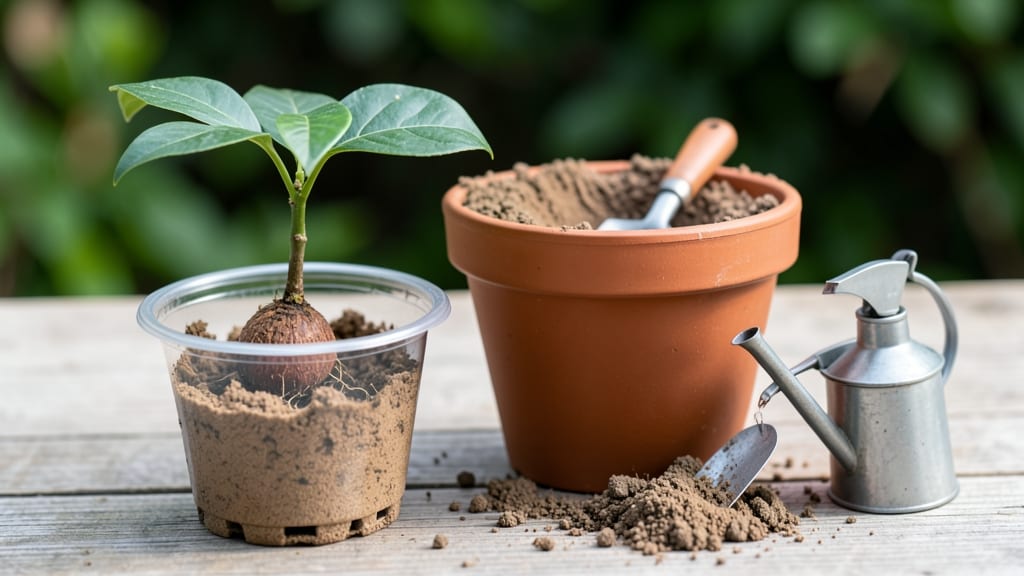
Knowing when to plant avocado pit in soil can mean the difference between a thriving 🥑 sapling and a soggy, failed experiment. Unlike most plants, avocado pits demand patience and precision—plant too early, and you risk rot; too late, and your sprout might lose its momentum before it even starts.
For most gardeners in USDA Zone 6, the ideal window begins indoors in late winter, around February or March, when days grow longer and temperatures stabilize.
This timing gives your pit enough time to sprout before outdoor conditions become too harsh, but not so early that it sits dormant in cold soil.
What makes this process unique is the pre-sprouting stage—soaking your pit for 2-4 weeks before planting can shave weeks off your timeline. The key is monitoring moisture levels and root development, ensuring you transition to soil at the perfect moment when roots are 1-2 inches long.
Whether you're a beginner or a seasoned grower, mastering this timeline turns a simple pit into a living, growing tree—one that could eventually reward you with fruit after years of care. Let’s break down the exact steps to get your avocado off to the best start.
Best time of year to plant avocado pits indoors for sprouting
Timing is everything when growing an avocado tree from a pit. The best time to plant your avocado pit indoors for sprouting is during the late winter to early spring months—typically January to March.
This window gives your pit enough time to germinate before outdoor planting season arrives. Avocado pits need consistent warmth (around 70-75°F) to sprout, making indoor starts ideal for cooler climates.
If you live in USDA Zone 6 or colder, starting your pit indoors in February ensures it’s ready for outdoor transplanting by late spring. In warmer zones (like Zones 9-11), you can plant pits year-round, but spring remains the safest bet for faster germination.
Avoid planting in summer or fall, as extreme heat or cold can shock the pit and delay sprouting.
Here’s why timing matters: Avocado pits can take 4-12 weeks to germinate indoors. Starting too late (e.g., April or later) risks your sprout outgrowing its indoor space before you can move it outside.
Conversely, planting too early (e.g., December) may leave your pit dormant until spring, wasting precious growing time.
🌱 Seasonal Avocado Pit Planting Guide
| Season | Best Planting Time | Germination Window | Climate Notes |
|---|---|---|---|
| Winter | January–February | 4–8 weeks | Ideal for indoor starts; consistent warmth needed. |
| Spring | March–April | 6–12 weeks | Best for outdoor transplanting after last frost. |
| Summer | Avoid (unless tropical) | Slow or failed germination | Heat stress risks; opt for fall if necessary. |
| Fall | September–October | 8–12 weeks | Risk of early cold; indoor grow lights help. |
🌡️ Pro Tip: Use a seedling heat mat (70–75°F) to speed up germination in cooler months.
Climate plays a huge role in your success. In tropical zones (Zones 10-11), avocado pits can be planted year-round, but spring still offers the fastest results.
For temperate zones (Zones 6-9), align your indoor start with your last frost date—aim to transplant outdoors by late May or early June.
If you miss the window, don’t panic: Pits can be stored in a paper towel in the fridge for up to 2 months before replanting.
Light conditions also influence timing. Avocado pits need bright, indirect light (like a south-facing window) to germinate. If starting in dark winter months, supplement with a grow light 12 hours/day to prevent leggy sprouts. Without enough light, your pit may sprout but grow weak and prone to disease.
Regional variations matter too. In California or Florida, you can plant pits outdoors in spring or fall, but northern states should stick to indoor starts in winter. Pay attention to your local microclimate: A sheltered spot with afternoon sun works best for outdoor transplants.
Avoid low-lying areas where cold air pools, as avocado trees are frost-sensitive.
One common misconception is that you must plant the pit immediately after eating the avocado. In reality, pits can be prepped and stored for weeks before planting.
Clean the pit, let it dry for 1–2 days, then store it in a paper towel in a sealed bag in the fridge. This trick lets you time your planting perfectly for optimal sprouting conditions.
Finally, don’t overlook the moisture factor. Avocado pits need consistent moisture but will rot if soggy. Use a well-draining soil mix (like cactus soil) and keep the pit moist but not waterlogged.
A clear jar with toothpicks (for indoor sprouting) lets you monitor root growth without disturbing the pit. Aim to plant your pit in soil once roots reach 2–3 inches long—usually after 4–6 weeks of indoor prep.
By following this seasonal timeline, you’ll give your avocado pit the best chance to thrive. Patience is key: A well-timed start means healthier roots, faster growth, and a stronger tree ready for outdoor life. Now, grab that pit and let’s get growing! 🌱
Best time of year to plant avocado pits indoors for sprouting
Timing is everything when growing an avocado tree from a pit. Indoor sprouting should start in late winter or early spring (January–March) to give your seedling a head start before outdoor planting.
This aligns with USDA Zone 6’s last frost date (mid-May), ensuring your young tree can transition smoothly to soil without temperature stress.
If you live in warmer climates (Zones 9–11), you can plant avocado pits year-round, but spring remains ideal for faster germination. The key is maintaining consistent warmth (70–85°F)—indoor conditions are perfect for this.
🌱 Pro Tip: Avoid planting in summer’s peak heat (June–August), as high indoor temperatures can cause rot or mold in your pit. Instead, use a grow light if natural light is insufficient.
| Season | Best Planting Window | Germination Time | Indoor Setup |
|---|---|---|---|
| Winter (Jan–Mar) | Ideal for indoor sprouting | 4–8 weeks | South-facing window + grow light |
| Spring (Apr–May) | Best for outdoor transition | 3–6 weeks | Hardening off (gradual outdoor exposure) |
| Summer (Jun–Aug) | Risk of overheating; avoid | 6–12+ weeks (slow) | Use shade cloth if attempting |
| Fall (Sep–Nov) | Possible in tropical zones | 5–10 weeks | Indoor heat mat for warmth |
For temperate climates, aim to plant your avocado pit in soil 4–6 weeks after sprouting (around late April–May). This gives roots time to establish before outdoor temperatures stabilize. In tropical zones, you can plant directly into soil year-round, but spring still speeds up growth.
Watch for root length (2–3 inches) and stem stiffening—these are your cues to transition to soil. Never rush this step, as fragile roots can break easily.
🌿 Regional Tip: In Zone 6, wait until soil temps reach 60°F+ before planting outdoors. Use a soil thermometer to monitor.