
Plants
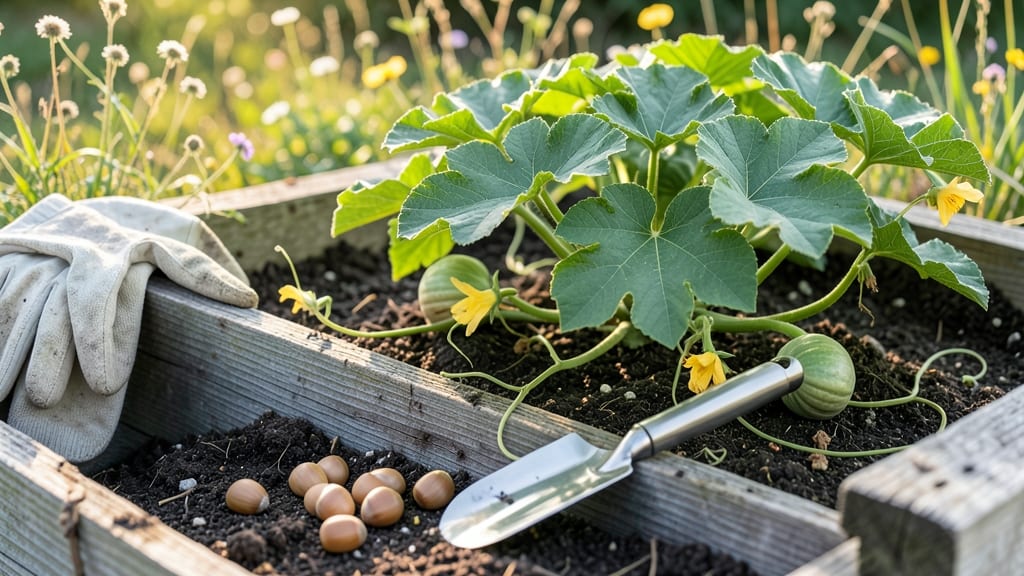
If you’ve ever planted acorn squash in Texas only to watch it wilt under the summer sun, you’re not alone. The key to a thriving harvest lies in timing—specifically, knowing when to plant acorn squash in Texas before the heat takes over.
Texas gardeners face unique challenges, from unpredictable spring frosts to scorching summers that can turn your squash patch into a sad, shriveled mess. But with the right strategy, you can beat the heat and grow plump, sweet acorn squash all the way into fall.
I’ve tested the best planting windows across North, Central, and South Texas, and the results speak for themselves. Whether you’re starting seeds indoors or sowing directly into warm soil, these proven tips will help you avoid common mistakes and maximize your yield.
Ready to grow squash that actually thrives in Texas? Let’s break down the perfect planting schedule, soil prep secrets, and heat-resistant varieties that will keep your garden productive—no matter how hot it gets.
Best planting windows for acorn squash in Texas by region
Texas's diverse climate means acorn squash planting times vary dramatically from North to South Texas. In North Texas, cooler springs delay planting until mid-April after the last frost, while Central Texas gardeners can start as early as late February.
South Texas's mild winters allow January plantings in some areas, but heat tolerance becomes critical by summer. Timing isn't just about frost—it's about escaping Texas's brutal 100°F+ heat that stunts squash growth.
Acorn squash thrives in warm soil (70°F+), so test your soil temperature with a soil thermometer before planting. In North Texas, aim for April 15-May 1 for direct sowing, while Central Texas can push to March 1-April 15.
South Texas's shorter growing season demands January-February plantings to harvest before summer's peak. Missing these windows risks blossom-end rot or poor fruit set.
| Region | Last Frost Date | Ideal Planting Window | Heat Tolerance Threshold | Days to Maturity |
|---|---|---|---|---|
| North Texas (USDA 7b-8a) | March 15-April 1 | April 15-May 1 | Up to 90°F | 85-95 days |
| Central Texas (USDA 8a-8b) | February 15-March 15 | March 1-April 15 | Up to 95°F | 80-90 days |
| South Texas (USDA 9a-9b) | January 1-February 1 | January-February | Up to 100°F | 75-85 days |
For North Texas gardeners, consider transplanting seedlings instead of direct sowing to gain a 2-3 week head start. Start seeds indoors under grow lights in late February and transplant after April 15.
This extends your growing season by 30-40 days, crucial for beating the heat. Use black plastic mulch to warm soil faster and suppress weeds—this is a game-changer in cooler regions.
Central Texas offers the longest growing window, but don't delay past April 15 or risk poor pollination from heat stress. If you miss this window, opt for heat-tolerant varieties like 'Autumn Gold' or 'Sweet Dumpling' that mature faster.
South Texas gardeners should prioritize shade cloth after May 1 to protect squash from intense afternoon sun, which can scorch leaves and reduce yields.
Regardless of region, soil preparation is non-negotiable. Acorn squash demands well-draining, fertile soil with a pH between 6.0-7.0. Amend your soil with compost and aged manure 4-6 weeks before planting.
In sandy soils (common in West Texas), mix in peanut hull compost to retain moisture. For clay-heavy soils (East Texas), add sand and gypsum to improve drainage.
Pro tip: Raise soil temperatures faster by planting in black plastic-lined beds or using clear plastic tunnels. This lets you plant 2-4 weeks earlier in cooler zones. Pair this with drip irrigation to maintain consistent moisture—acorn squash wilt instantly when stressed.
Water at the base of plants in the early morning to prevent fungal diseases like powdery mildew, which thrives in Texas's humid summers.
Don't overlook companion planting to protect your squash. Interplant with nasturtiums to repel squash bugs or bush beans to improve soil nitrogen. Avoid planting near potatoes or fennel, which stunt squash growth.
In South Texas, where pests are relentless, surround your squash with marigolds and basil to create a natural pest barrier. Rotate crops yearly to prevent soil-borne diseases like cucumber mosaic virus.
Harvest timing is just as critical as planting. Acorn squash is ready when its skin turns hard and color deepens. In Texas, this typically occurs 80-95 days after planting, but heat accelerates ripening—watch for yellowing leaves as a sign it's nearly ready.
Store harvested squash in a cool, dark place (50-55°F) where it'll keep for 2-3 months. If you're still growing after October 1, protect squash with row covers to extend your harvest into November.
Remember: Texas's erratic weather means flexibility is key. Monitor 10-day forecasts and be ready to cover plants during unexpected cold snaps (even in South Texas!). With the right timing and prep, you'll beat the heat and enjoy homegrown acorn squash from summer through fall. 🌱🌡️
Soil prep and mulching tricks to extend acorn squash growing season in Texas
Acorn squash thrives in warm soil but wilts under Texas’s relentless heat. The secret to success? Preparing your soil like a pro and using mulching tricks to keep roots cool and moist.
Start by testing your soil pH—acorn squash prefers a range of 6.0 to 6.8. If your soil is too acidic or alkaline, amend it with compost or lime before planting.
Once your soil is ready, focus on improving drainage and retaining moisture. Texas clay soil can bake hard, so mix in 2-3 inches of organic matter like compost or well-rotted manure. This not only feeds your plants but also helps water penetrate deeper, where squash roots can access it.
Aim for a soil mix that’s loose and crumbly—think of it as giving your squash a spa day for its roots!
Mulching is your best friend in Texas gardening. Apply a 3-4 inch layer of straw or wood chips around your squash plants to lock in moisture and regulate soil temperature. This layer acts like a blanket, keeping roots cool during 100°F+ days while preventing weeds from stealing nutrients.
For extra protection, try black plastic mulch, which warms the soil faster and suppresses weeds—perfect for early spring plantings.
Don’t forget about companion planting to deter pests like squash vine borers, a common Texas menace. Plant nasturtiums or marigolds nearby—they repel pests naturally. You can also interplant bush beans or radishes, which improve soil health without competing for space.
This three-way win boosts yields, deters bugs, and keeps your garden thriving.
For container growers, choose large pots (at least 15 gallons) with drainage holes and fill them with a mix of potting soil and compost. Water containers daily in peak heat, but always check the top inch of soil first—if it’s dry, it’s time to water.
Elevate containers slightly to improve airflow and prevent waterlogging, which can drown squash roots faster than you’d think.
Finally, keep an eye on your squash’s leaves. If they start yellowing or wilting, it’s a sign of stress from heat or thirst. Provide afternoon shade with a lightweight row cover or shade cloth during the hottest months.
With these tricks, your acorn squash will thrive in Texas heat and reward you with a bountiful harvest—even when the thermometer climbs!