
Companion Plants
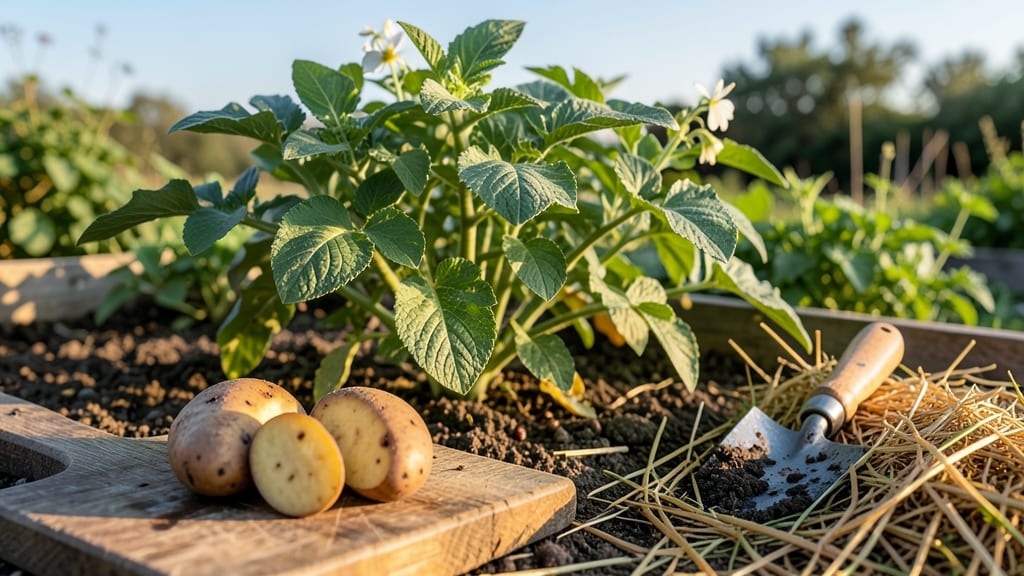
Timing your potato planting in Zone 5B isn't just about throwing seed potatoes into the dirt—it's the difference between a bountiful harvest and a sad, blighted failure. With Zone 5B's unpredictable springs, knowing when to plant your 🥔 is critical to avoiding frost damage and maximizing your yield.
The ideal window for planting potatoes in Zone 5B opens around late March to mid-April, once the soil temperature consistently stays above 45°F. This timing ensures your potatoes have enough frost-free days to mature before winter sets in around mid-October.
But don't worry if you're unsure about your exact last frost date—we'll show you how to calculate it.
You might be tempted to plant early, but rushing it can lead to stunted growth or even rot. Meanwhile, planting too late risks leaving you with small, underdeveloped tubers.
The key is finding that sweet spot where your potatoes get 90-120 days of growing time—just enough to reach full size before the first frost.
In this guide, I'll walk you through exactly how to time your planting for success, including soil prep tips and how to adjust for Zone 5B's unique climate challenges. Let's get those potatoes growing right!
Zone 5B potato planting schedule: exact weeks before last frost for success
Getting your potatoes in the ground at the right time in Zone 5B means the difference between a bumper crop and a blighted failure.
The last frost date for most of Zone 5B lands around April 15, but your exact timing depends on whether you’re planting early, mid-season, or late varieties.
For best results, aim to plant 4-6 weeks before your local last frost—typically late March to mid-April—so tubers have enough time to mature before summer heat sets in.
Zone 5B’s short growing season (about 150 frost-free days) demands precision. Plant too early, and you risk blight from cool, wet springs. Plant too late, and your harvest may not ripen before the first frost in mid-October.
The key is balancing soil temperature (ideally 45°F+) with your variety’s days to maturity. Early varieties like Yukon Gold (60-70 days) give you flexibility, while late varieties like Russet Burbank (100+ days) need an early start.
Here’s how to calculate your perfect planting window: Subtract your variety’s days to maturity from your first frost date (October 15). For example, a 90-day variety needs to be in the ground by July 15 to finish before frost.
But in Zone 5B, we focus on spring planting because fall planting rarely yields enough time for a reliable harvest.
Fall planting is risky in Zone 5B unless you use fast-maturing varieties (under 60 days) and plant after August 1. Even then, a sudden early frost can ruin your crop. Stick to spring planting for consistency, especially if you’re new to growing potatoes.
| Variety Type | Days to Maturity | Zone 5B Planting Window | Harvest Window | Best For |
|---|---|---|---|---|
| Early (New Potatoes) | 60-70 days | Late April to early May | June to July | Fresh eating, short seasons |
| Mid-Season | 70-90 days | Late March to mid-April | July to early August | Storage, general use |
| Late (Russet) | 100-120 days | Early to mid-April | August to September | Long storage, baking |
| Fall Planting (Risky) | 60 days or less | After August 1 | October (if frost-free) | Experienced gardeners only |
If you’re unsure about your last frost date, check your local USDA Plant Hardiness Zone Map or ask your local Cooperative Extension Service.
For most of Zone 5B (e.g., Chicago, Detroit, or Syracuse), April 15 is a safe bet, but microclimates can shift this by a week or two. For example, areas near large bodies of water may stay cooler longer, while urban heat islands can warm up faster.
Pro tip: Use row covers or black plastic mulch to warm the soil and extend your planting window by 1-2 weeks if spring arrives late. This is especially useful for late varieties that need every extra day to mature. Just remove covers once plants emerge to avoid overheating.
For a second crop, try succession planting every 2 weeks after your initial planting. This staggered approach ensures a steady supply of new potatoes throughout the summer. Just be sure to harvest the first batch before the second set of plants fully matures to avoid overcrowding and disease.
Remember, soil temperature is just as critical as air temperature. Use a soil thermometer to confirm the soil is at least 45°F before planting. Cold soil delays germination, and wet soil invites fungal diseases like blight.
If your soil is still too cold, wait a few days or use straw mulch to insulate the soil and speed up warming.
Zone 5B potato planting schedule: exact weeks before last frost for success
In Zone 5B, your potato planting window is tight—just 4-6 weeks before your last frost date, which typically falls around April 15. This narrow window means precision is key to avoiding frost damage or blight.
Early varieties like Yukon Gold or Red Pontiac need 90 days to mature, while late varieties like Russet Burbank can stretch to 120 days.
Your goal is to plant when soil temperatures hit 45°F consistently, not air temperature. Cold soil slows sprouting and invites rot. Use a soil thermometer to check—if it’s below 45°F, wait a week or two. Zone 5B’s spring is famously fickle, so flexibility is your best tool.
Here’s the golden rule: Plant between late March and mid-April for a summer harvest. For fall planting (less common but possible), aim for July-August with fast-maturing varieties like New Potatoes to harvest before the first frost in mid-October.
| Planting Window | Soil Temp Requirement | Last Frost Date | Days to Maturity |
|---|---|---|---|
| Late March - Mid-April | 45°F+ consistently | April 15 | 90-120 days |
| July-August (fall) | 50°F+ consistently | October 15 | 60-90 days |
*Fast-maturing varieties only for fall planting.
Don’t rely on calendar dates—use your local USDA Plant Hardiness Zone Map or check with your Cooperative Extension Service for precise last frost data. Even a 10-day delay can mean the difference between a full harvest and stunted tubers.
If you’re unsure, opt for early-maturing varieties like Kennebec or Katahdin for extra insurance.
Pro tip: Mark your last frost date on your calendar and count backward. For example, if your last frost is April 15 and you’re planting Yukon Gold (90 days to maturity), aim for a March 25 planting. This gives you a 2-week buffer for unpredictable spring weather.
Remember, Zone 5B’s short growing season demands respect. Plant too early, and frost will nip your sprouts. Plant too late, and your potatoes won’t reach full size. Strike that balance, and you’ll be digging up golden, crisp potatoes by summer’s end! 🥔