
Plants
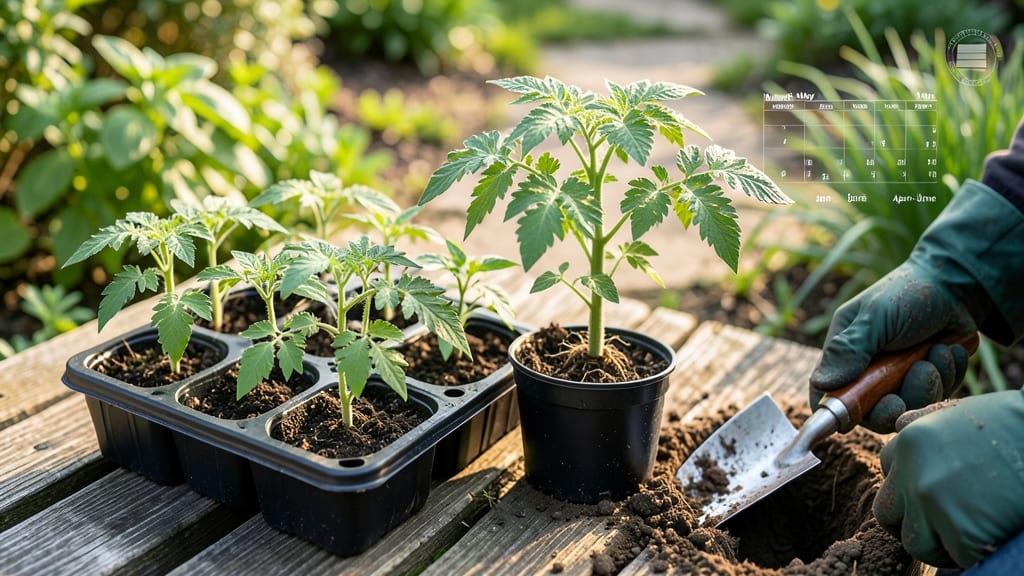
California tomato planting timeline by frost-free Zone (with exact dates)
California’s frost-free zones (USDA 7-11) create dramatic differences in tomato planting windows. While most of the state enjoys year-round growing potential, coastal areas like San Francisco (Zone 10) can plant earlier than the Central Valley (Zone 9), where heat arrives later.
Understanding these microclimates ensures you avoid late frosts (rare but possible in inland valleys) or heat stress from premature planting.
For coastal California (Zones 9-10), the ideal window starts in late January to February for seed-starting indoors, with transplanting outdoors by mid-February. Inland areas (Zones 7-9) should wait until March to early April to avoid soil temperature risks below 50°F.
Desert regions (Zone 11) can plant year-round, but peak seasons are fall and winter to escape extreme summer heat.
Here’s a zone-specific breakdown of your planting calendar, including seed-starting vs. direct sowing timelines to maximize your harvest:
Pro tip: Use row covers in Zone 7-8 to extend your planting window by 2-3 weeks earlier. For coastal gardeners, consider a second planting in late summer (August-September) for a fall harvest before winter rains arrive.
Just remember—heat-loving tomatoes like ‘Solar Fire’ thrive in Zone 10-11, while cool-season varieties like ‘Mountain Merit’ suit Zone 7-9.
To check your exact last frost date, use the USDA Plant Hardiness Zone Map and cross-reference with local weather stations. For example, Sacramento (Zone 9) averages its last frost by January 15, while Redding (Zone 8) may see frost until March 1.
Always err on the side of warmer soil—50°F for seeds, 60°F for transplants—to avoid stunted growth or blossom drop.
For container gardeners, adjust timelines by 2-4 weeks later since pots warm up slower than in-ground soil. Place containers in south-facing spots and use black plastic mulch to raise soil temperature <
Soil temperature requirements for tomatoes in california (and how to test yours)
Tomatoes are warm-season plants that need consistent soil temperatures to thrive. In California, where microclimates vary wildly, soil temperature can differ by 20°F+ between coastal and inland areas. For healthy growth, seeds need 50°F+ soil, while transplants thrive at 60°F+.
Planting too early in cool zones risks poor germination or stunted growth, while waiting too long in hot areas can shorten your harvest window.
California’s clay-heavy soils (common in the Central Valley) warm up faster than sandy coastal soils, which can stay chilly into April or May. Even in USDA Zone 10 (like Los Angeles), morning fog can keep soil temperatures low.
Always check before planting—your soil’s readiness matters more than the calendar.
🌡️ Soil Temperature Check: Is Your Garden Ready?
To test your soil temperature, use a soil thermometer (insert 2-3 inches deep) in the morning. If it’s below 50°F for seeds, delay planting or use black plastic mulch to warm the soil by 5-10°F.
For transplants, aim for 60°F+—any cooler, and roots struggle to absorb water, leading to blossom-end rot or yellowing leaves.
In Zone 9 (inland), like Fresno or Bakersfield, soil often hits 60°F by mid-March, making it safe to plant transplants. But in Zone 10 (coastal), like Santa Barbara or San Diego, wait until late March or April—evenings can dip into the 40s°F, slowing growth.
Pro tip: Warm your soil faster by covering beds with clear plastic sheeting for 1-2 weeks before planting.
If your soil is too cold, don’t rush—slow starts lead to weak plants. Instead, start seeds indoors under grow lights (they germinate at 70°F) and transplant when soil warms.
For direct sowing, wait until nighttime temps stay above 55°F—this ensures roots establish quickly and avoids transplant shock.
Remember: Soil temperature > air temperature when deciding to plant. A sunny 75°F day with 50°F soil won’t help—your tomatoes will still languish. Use a soil thermometer for 3 days to confirm consistency before committing to your planting date.