
Plants
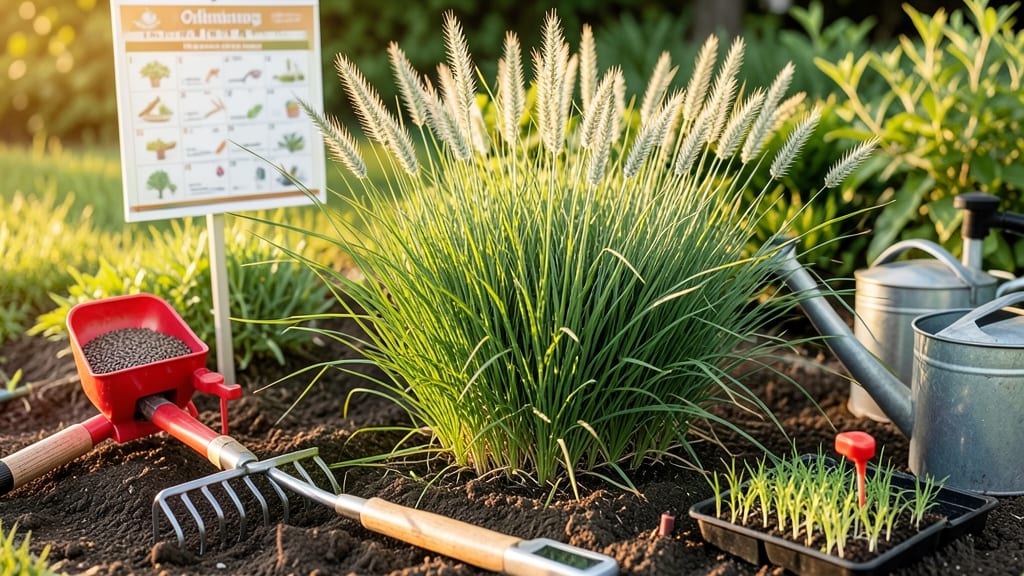
If you’ve ever stared at a patchy Oklahoma lawn and wondered when is the best time to plant grass seed, you’re not alone—timing makes all the difference between lush green grass and a second-rate yard.
The state’s shifting seasons and unpredictable weather can turn planting into a guessing game, but there’s a sweet spot for deep roots and lasting growth.
Oklahoma’s 6a-8a climate zones mean spring and fall are your prime windows, but each comes with its own quirks. Plant too early, and heat or drought will sabotage your 🌱 grass seed before it takes hold.
Too late, and frost or competition from weeds can derail your efforts. The key? Understanding your local frost dates and soil temperatures to lock in the optimal 60–75°F range for germination.
Whether you’re seeding in March or September, the right prep work—soil testing, seed selection, and watering schedules—can turn a gamble into a guaranteed win. I’ll break down the spring vs. fall showdown and share Oklahoma-specific tips to avoid costly mistakes, so you can finally stop second-guessing and start growing.
Ready to transform your lawn? Let’s dive into the best strategies for planting grass seed in Oklahoma, where timing isn’t just a suggestion—it’s the foundation of success.
Oklahoma’s ideal grass-seeding window: spring vs fall timing breakdown
Choosing the right time to plant grass seed in Oklahoma can mean the difference between a lush lawn and a patchy disappointment. The state’s USDA Zones 6a-8a create a unique climate challenge, with hot summers and variable rainfall.
Most gardeners swear by early spring (March–April) or early fall (September–October), but which wins for Oklahoma’s diverse regions?
Spring planting offers longer daylight hours for growth, but drought stress and soil crusting are real threats. Fall, on the other hand, delivers cooler temperatures and better moisture retention, but frost can sneak in early.
Let’s break down the pros, cons, and ideal soil temperatures for each season in Oklahoma’s three main climate zones.
🌱 Spring vs Fall Planting Comparison for Oklahoma
| Factor | Spring (March–April) | Fall (September–October) |
|---|---|---|
| Soil Temperature | 55–75°F (ideal: 60–65°F) | 60–75°F (ideal: 65–70°F) |
| Rainfall | Variable (drought risk in Panhandle) | Steady (better moisture retention) |
| Germination Time | 7–14 days (faster with warmth) | 10–21 days (slower but consistent) |
| Weed Competition | High (weeds germinate early) | Moderate (weeds slow in cooler temps) |
| Best Grass Types | Tall Fescue, Kentucky Bluegrass | Bermuda, Zoysia, Buffalo Grass |
| Oklahoma-Specific Tip | Water daily for 2–3 weeks to prevent crusting | Avoid planting after October 15 in northern OK |
For northern Oklahoma (Zones 6a–7a), fall planting is often the safer bet. The cooler temperatures reduce water stress, and seeds germinate just before winter dormancy. I’ve seen tall fescue thrive when planted in early September, establishing deep roots before frost.
In central and southern Oklahoma (Zones 7b–8a), spring planting can work if you start in late February to early March. The key is to monitor soil moisture closely—Oklahoma’s clay-heavy soils can bake hard under spring sun.
I recommend using a soil thermometer to confirm temperatures are above 60°F before seeding.
Regardless of season, Buffalo Grass and Bermuda Grass are Oklahoma’s top choices for drought resistance. These varieties handle summer heat and low rainfall better than cool-season grasses, making them ideal for fall planting in southern regions.
Pro tip: If you’re torn between seasons, consider overseeding in fall—it’s a great way to fill in thin spots while leveraging Oklahoma’s mild autumn weather. Just avoid planting after the first frost, or your seeds may rot before germinating.
For detailed regional advice, check Oklahoma State University Extension’s lawn care guides, which break down planting windows by county. Their data shows that fall planting success rates are 20–30% higher than spring in drought-prone areas like the Panhandle.
Remember: The best time to plant grass seed in Oklahoma isn’t just about the calendar—it’s about soil temperature, moisture, and grass type. Test your soil, choose the right seed, and water like your lawn’s life depends on it (because it does!). 🌱
Oklahoma’s ideal grass-seeding window: spring vs fall timing breakdown
Choosing between spring and fall planting in Oklahoma isn’t just about the calendar—it’s about understanding your USDA Zone (6a-8a) and how local weather patterns affect germination.
While both seasons offer ideal conditions, fall planting (September–October) often wins for deeper root establishment before winter, but spring (March–May) can be a close second if you act fast.
The key difference? Soil temperatures must stay between 60–75°F for consistent germination. In Oklahoma’s Panhandle (Zone 7a-8a), spring planting can start as early as mid-March, while Central and Eastern Oklahoma (Zone 6a) may wait until late March or April to avoid late frosts.
Fall planting, however, offers a longer window (September–November) before the first frost hits—critical for cool-season grasses like tall fescue.
Here’s how the two seasons stack up for Oklahoma gardeners:
| Factor | Spring Planting (March–May) | Fall Planting (September–November) |
|---|---|---|
| Ideal Soil Temp | 60–75°F (March–April) | 60–75°F (September–October) |
| Rainfall | Moderate (drought risk in May) | Higher (September showers) |
| Weed Competition | High (spring weeds emerge early) | Low (weeds dormant in fall) |
| Best Grass Types | Warm-season (Bermuda, Zoysia) | Cool-season (Tall Fescue, Ryegrass) |
| Oklahoma-Specific Risk | Late frost (Zone 6a) | Early frost (November) |
For warm-season grasses like Bermuda or Buffalo Grass, spring planting is your best bet—these varieties thrive in Oklahoma’s hot summers and need warm soil to germinate.
If you’re seeding cool-season grasses like tall fescue, fall is ideal, as they’ll establish roots before winter and green up early in spring. My rule of thumb? Test soil temperature with a soil thermometer—if it’s below 60°F, wait.
Pro tip: Oklahoma’s Panhandle region (Zone 7a-8a) can plant 2–3 weeks earlier than Central or Eastern Oklahoma due to warmer microclimates. Check the Oklahoma State University Extension frost date maps to fine-tune your timing. And remember—overseeding in fall can thicken existing lawns by filling thin spots before winter dormancy.
Timing isn’t just about the calendar; it’s about reading your soil and climate. Whether you choose spring or fall, the 60–75°F soil temp rule is your golden ticket to lush, deep-rooted grass that survives Oklahoma’s extremes.
Ready to pick your window? Let’s talk soil prep next—because even the best timing won’t help if your soil isn’t ready! 🌱