
Plants
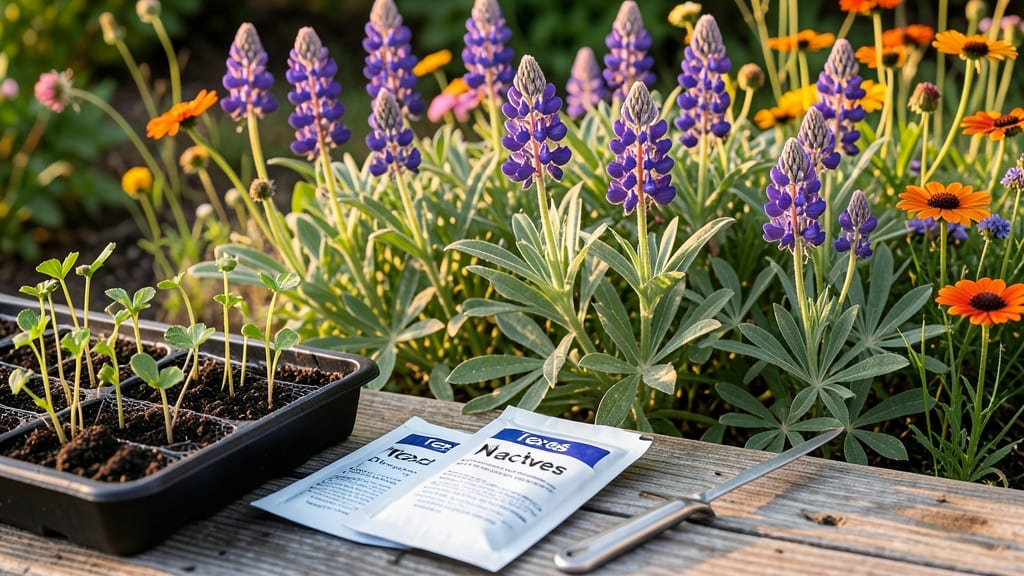
When do you plant wildflower seeds in Texas? Timing isn’t just about luck—it’s about unlocking a garden that bursts with color while surviving the state’s wild swings from scorching summers to chilly winters. Whether you're in the 6a-10b zones or somewhere in between, planting at the right moment means the difference between a patch of dirt and a meadow of 🌼 beauty that thrives year after year.
Most gardeners assume spring is the only window, but Texas's unique climate actually gives you two prime chances—fall and spring—to get those seeds in the ground.
Fall planting, from September to November, lets wildflowers establish roots before winter, while spring planting (February to April) catches the state's extended growing season. The key? Avoiding the frost dates that can wipe out tender seedlings.
I've seen firsthand how a little strategy—like choosing native varieties that love Texas heat—can turn your yard into a low-maintenance paradise. No more guessing when to scatter those seeds or how to prep the soil.
You'll learn exactly how to time it, what regional varieties perform best, and even how to stretch your blooms from spring to fall without extra work.
Ready to skip the trial-and-error? Let's dive into the heat zone guide that'll have your Texas garden blooming like never before—with minimal fuss and maximum impact.
Texas heat zones explained: best planting months for wildflowers by region
Texas’s diverse climate—from the Panhandle’s chilly winters to South Texas’s subtropical heat—means wildflower planting timing varies dramatically by USDA hardiness zone.
Whether you're in Zone 7a (North Texas) or Zone 10a (Rio Grande Valley), knowing your last frost date and heat tolerance of native species is key to success.
Most Texas wildflowers thrive when planted 6-8 weeks before the first frost or after the last frost, but regional microclimates shift these windows.
For example, North Texas (Zones 7b-8a) typically plants wildflowers in late September through November for fall blooms, while South Texas (Zones 9a-10a) can sow seeds as late as December or even January without frost risk.
Even within the same zone, elevation changes—like the Hill Country’s cooler nights—can delay planting by 2-4 weeks compared to coastal areas.
Here’s how to match your region to the perfect planting window, along with native species recommendations that align with Texas’s 100+ frost-free days in most areas:
| Region | USDA Zone | Best Planting Window | Last Frost Date | Top Wildflower Varieties |
|---|---|---|---|---|
| North Texas | 7b-8a | Late Sept–Nov (fall) or Feb–March (spring) | Feb 15–March 1 | Bluebonnet, Indian Paintbrush, Coreopsis |
| Central Texas | 8a-8b | Oct–Nov (fall) or March (spring) | Jan 15–Feb 1 | Blackfoot Daisy, Winecup, Gaillardia |
| South Texas | 9a-10a | Nov–Jan (fall/winter) or Feb–March (spring) | Dec 1–Jan 15 | Mexican Feathergrass, Evening Primrose, Salvia |
| West Texas | 7a-8a | Sept–Oct (fall) or March (spring) | Feb 1–March 1 | Prickly Poppy, Desert Marigold, Yarrow |
Pro tip: Use native wildflower seed mixes tailored to your zone—they’re pre-adapted to local soil pH (often 6.0–8.0) and drought conditions. For instance, Bluebonnets in North Texas need well-draining soil and full sun, while Mexican Feathergrass in South Texas thrives in sandy, poor soil with minimal water.
Timing isn’t just about frost—it’s also about rainfall patterns. Plant wildflowers in September or October to align with Texas’s fall rains, which naturally water your seeds without over-saturation.
In spring, aim for February–March to avoid competing with summer weeds and 100°F+ heat that can dry out seeds before germination.
For year-round blooms, many gardeners in Zones 8b–10a plant a fall mix in September and a spring mix in February. This creates a continuous color show from winter to late fall, with minimal gaps.
Just remember: South Texas’s subtropical climate lets you plant almost year-round, but North Texas’s shorter growing season demands precision.
One common mistake? Planting too early in spring (before March 15) or too late in fall (after November 15). Early spring seeds may rot from cool, wet soils, while late fall seeds can sprout too early and freeze before establishing roots.
Use a soil thermometer—ideal germination temps for most Texas wildflowers are 60–75°F.
Finally, leverage Texas’s unique microclimates. Urban areas like Austin or Dallas (Zone 8a) often have warmer microclimates than rural zones, while mountain regions (e.g., Guadalupe Mountains
Fall vs. spring planting: which strategy works best for Texas wildflowers?
Texas wildflowers thrive with the right planting strategy, but fall and spring offer distinct advantages depending on your region and goals. Fall planting (September-November) gives seeds time to establish roots before winter, while spring planting (February-April) capitalizes on warmer soil temperatures for faster germination.
Let’s break down the pros and cons of each approach to help you decide which works best for your Texas garden.
For North Texas (zones 7b-8b), fall planting is ideal because cooler temperatures reduce weed competition and help seeds germinate before the first frost. In South Texas (zones 9a-10a), where winters are milder, both fall and spring planting can succeed, but fall often yields more vibrant blooms by spring.
The key is aligning your planting window with your local frost dates and rainfall patterns.
Fall planting is my top recommendation for most Texans because it leverages the state’s natural rainfall in late fall and early winter. Seeds germinate slowly but steadily, avoiding the intense heat of summer. Plus, established roots mean drought resilience by spring. However, if you’re in a high-rainfall area, fall planting might require extra drainage to prevent seed rot.
Spring planting, on the other hand, delivers quick color but comes with trade-offs. Seeds germinate faster in warm soil, but they also face stiff competition from weeds and may struggle if planted too late in the season. Spring-planted wildflowers often need more frequent watering to survive Texas’s summer heat. This strategy works best if you’re aiming for a summer bloom or have a well-prepared, weed-free bed.
Fall Planting
- Established roots before winter
- Reduced weed competition
- Better drought tolerance by spring
- Natural rainfall aids germination
- Slower germination in cooler temps
- Risk of seed rot in heavy rain
- Less vibrant early blooms
Spring Planting
- Faster germination and blooms
- Ideal for summer color bursts
- Easier to manage weeds early
- Works well in mild-winter zones
- Higher weed competition
- Requires more frequent watering
- Struggles in extreme summer heat
- Late planting may yield poor results
If you’re torn between the two, consider a split strategy: plant a mix of fall and spring wildflowers to extend your blooming season. For example, sow bluebonnets in fall for spring blooms and Mexican feathergrass in spring for summer color.
This approach ensures your garden stays vibrant from February through October, regardless of Texas’s unpredictable weather.
For best results, always prepare your soil by removing weeds and loosening the top 2 inches of soil. Whether you choose fall or spring, consistent moisture is critical during the first 4-6 weeks after planting.
Avoid overwatering, but don’t let the soil dry out completely—this balance is key to successful germination in Texas’s variable climate. 🌼