
Plants
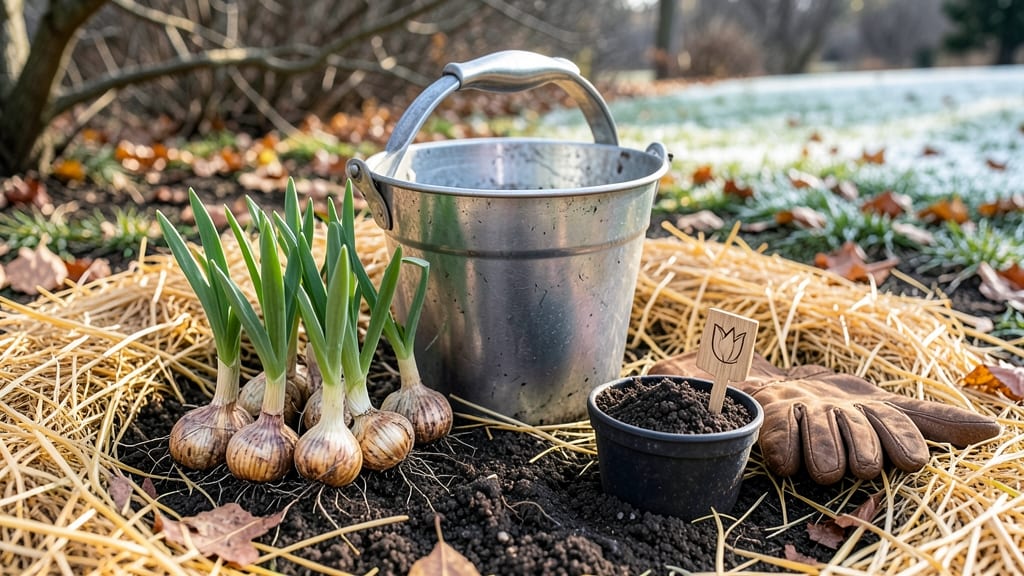
Planting tulips in Georgia at the wrong time could mean frozen bulbs and no spring blooms—so getting the timing right is everything. With Georgia's USDA zones 7b-8a and unpredictable frost dates, knowing exactly when to plant your 🌷 tulips makes all the difference between vibrant spring gardens and wasted effort.
Most gardeners assume late fall is the only window, but in Georgia, you actually have a 6-week range from October to November to plant.
The key is working with your local frost dates—especially since late frosts can linger until March 15 in some areas—while ensuring bulbs establish roots before winter sets in.
What you'll discover here are the precise planting windows for both North and South Georgia, soil prep secrets for our clay-heavy soils, and how to adjust your schedule if your fall weather takes unexpected turns. Let's make sure your tulips get the perfect start.
From bulb depth to mulching strategies, I'll walk you through every step to guarantee your tulips survive our winters and burst into color next spring. Ready to plant with confidence?
Georgia’s frost zones & the best months to plant tulip bulbs
Georgia’s USDA hardiness zones (ranging from 7b in the north to 8a in the south) create a unique challenge for tulip growers. Unlike northern states, where tulips thrive in colder winters, Georgia’s mild winters and late frosts demand precise planting timing.
The key is planting 4-6 weeks before the first frost, which typically falls between mid-November and early December across most of the state.
In North Georgia (e.g., Atlanta, Dahlonega), where winters are cooler, aim to plant tulip bulbs between October 15 and November 15.
Meanwhile, in Central Georgia (e.g., Macon, Athens) and South Georgia (e.g., Savannah, Brunswick), where winters are warmer, you can extend planting until late November or even early December. This flexibility gives you a 6-8 week window to get your tulips in the ground safely.
Why timing matters: Tulips need time to establish roots before the ground freezes. If planted too late, bulbs may rot in cold, wet soil. If planted too early, they might sprout prematurely and get damaged by early frosts. The goal is to strike a balance—roots should form but tops should stay dormant until spring.
| Region | USDA Zone | Ideal Planting Window | First Frost Date | Key Consideration |
|---|---|---|---|---|
| North Georgia (Atlanta, Dahlonega) | 7b | October 15 – November 15 | November 15 – December 1 | Cooler winters; plant earlier |
| Central Georgia (Macon, Athens) | 8a | October 30 – November 30 | November 20 – December 10 | Mild winters; extend window |
| South Georgia (Savannah, Brunswick) | 8a | November 1 – December 1 | December 1 – December 15 | Warmest winters; plant latest |
To pinpoint your exact planting window, check the average first frost date for your specific location using the National Weather Service or Almanac’s Frost Calculator. Subtract 4-6 weeks from that date to determine when to plant.
For example, if your first frost is November 25, aim to plant by October 15.
Another critical factor is soil temperature. Tulip bulbs need soil temps between 40°F and 50°F for optimal root growth. Use a soil thermometer to monitor temps—if the ground is still warm (above 60°F), wait a few more weeks before planting.
Cool soil signals it’s time to get those bulbs in the ground!
For urban gardeners, microclimates can shift planting dates by 1-2 weeks. Areas near bodies of water or with dense tree cover may stay warmer longer, while exposed yards might cool faster.
Observe your garden’s unique conditions to fine-tune your timing. Container gardeners can push planting slightly later, as pots warm up faster in spring.
Pro tip: Mark your calendar with two key dates—your ideal planting window and your last possible planting date (usually 2 weeks before the first frost). This gives you a safety net if life gets busy.
Even if you miss the perfect window, bulbs planted up to 2 weeks before frost can still survive with proper mulching.
Once you’ve nailed down the month, focus on the day of the week. Planting on a cool, cloudy day reduces stress on bulbs. Avoid planting after heavy rain, as soggy soil can cause rot.
With the right timing, your tulips will reward you with vibrant blooms in late winter or early spring, just as Georgia’s landscape starts to wake up from dormancy.
🌷
How to time tulip planting for Georgia’s unpredictable weather patterns
Georgia’s fall weather can shift from warm to freezing overnight, making tulip planting timing a delicate balance. The goal is to plant bulbs 4-6 weeks before the ground freezes, but with Georgia’s USDA zones 7b-8a, that window varies by region.
In North Georgia (e.g., Atlanta), aim for mid-October to early November, while South Georgia (e.g., Savannah) can plant until late November.
Use soil temperature as your guide: tulip bulbs need 40-50°F soil to root before winter dormancy. Stick a soil thermometer 6 inches deep—if it’s below 50°F, your bulbs may rot before frost arrives. In urban areas, microclimates (like heat islands) can delay frost, so monitor local forecasts closely.
Here’s how to adjust your planting schedule based on Georgia’s unpredictable patterns:
⚠️ Warning: Late Planting Risks
Planting after November 15 in most of Georgia risks frozen bulbs before roots establish. Southern Georgia (Zone 8a) has a slightly longer window, but avoid December planting—tulips need 6-8 weeks of root growth before winter.
Prepare your soil 2-3 weeks before planting to create the ideal environment. Work in 2-3 inches of compost or aged manure to improve drainage—waterlogged soil is tulips’ worst enemy.
Georgia’s clay-heavy soils (common in the Piedmont) benefit from adding sand or perlite to prevent bulb rot. Test your soil’s pH (6.0-7.0) and amend if needed.
After planting, mulch heavily with 4-6 inches of straw or shredded leaves to insulate bulbs from freeze-thaw cycles. In North Georgia, where winters can dip below 20°F, this extra layer can mean the difference between surviving and failing.
Remove mulch in early spring (February) to allow sunlight to trigger blooming.
Watch for signs your timing is perfect: within 2-3 weeks of planting, you should see green shoots pushing through the soil. If your tulips sprout before winter, they’ll bloom earlier but may produce smaller flowers.
If they wait until spring, you’ll get larger, more robust blooms—just adjust your expectations based on your region’s frost patterns.
Pro tip: Label your tulip varieties if you’re planting a mix—Georgia’s humid springs can cause some types to bolt (flower early) or flop (lean heavily). Darwin Hybrid tulips handle our climate best, while fancy frilled types may need extra staking or support.