
Plants
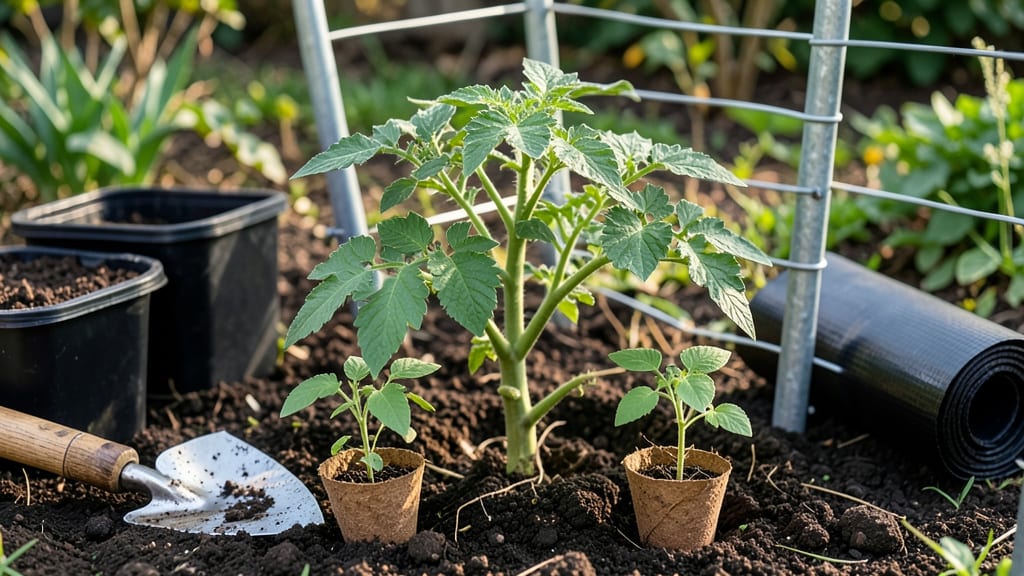
Planting tomatoes in Arkansas isn't just about grabbing seeds and sticking them in the dirt—it's about timing your move to dodge frost while beating the summer heat.
With Arkansas' 7b-8a climate, you've got a narrow window where soil warms enough (at least 60°F) and nights stay reliably above 50°F—usually mid-April to early May—but get it wrong, and you'll either lose your plants to late frost or watch them wilt under July's scorching sun.
Most guides tell you to plant after the last frost, but in Arkansas, that's not enough. You also need to account for our humid subtropical swings, where a cold snap can linger in the Delta while Northwest Arkansas warms up faster.
The key is knowing your microclimate—whether you're in Little Rock's heat island or the cooler Ozark foothills—and adjusting your schedule accordingly.
What if you want to push those boundaries? Some gardeners swear by cold frames or row covers to start earlier, while others opt for heat-tolerant varieties like 'Arkansas Traveler' to extend the season.
I'll show you how to make these strategies work without gambling your entire harvest on a 50-50 chance of success.
Ready to grow tomatoes that thrive from June to October? Let's break down the exact dates, soil prep secrets, and pro tips that Arkansas gardeners use to turn their 🍅 dreams into a bountiful reality—no guesswork required.
Arkansas tomato planting calendar: exact dates for heat zones 7b-8a by frost risk
Arkansas' Heat Zones 7b-8a create a unique challenge for tomato growers. The last frost date typically falls between March 15 (northern AR) and April 1 (southern AR), but microclimates can shift this by weeks.
For example, Little Rock (Zone 7b) averages a March 20 last frost, while Fayetteville (Zone 7a) may see frost lingering until April 5. These dates determine whether you'll plant transplants or direct-sown seeds.
Soil temperature is the real game-changer in Arkansas. Tomatoes won't germinate below 55°F and thrive best when soil hits 60°F+. In Zone 8a (southern AR), this happens by mid-March, while Zone 7b often waits until late March to early April.
Using a soil thermometer is non-negotiable—Arkansas' clay soils hold cold longer than sandy soils.
Avoid the common mistake of planting too early. I once lost three tomato plants in one season by ignoring the 50°F nighttime minimum. Even if daytime temps warm up, chilly nights will stunt growth or trigger blossom drop.
For direct-sown seeds, aim for April 15-May 1 in most of Arkansas, while transplants can go in 2-3 weeks earlier once soil warms.
| Task | Zone 7b (North AR) | Zone 8a (South AR) |
|---|---|---|
| Last Frost Date | March 20-April 5 | March 15-April 1 |
| Soil Temp Threshold | 60°F+ (late March) | 55°F+ (mid-March) |
| Transplant Window | April 15-May 1 | March 25-April 10 |
| Direct Seed Window | May 1-15 | April 10-25 |
| Nighttime Temp Min | 50°F+ | 50°F+ |
| Harvest Start | Late June-July | Early June-July |
🌱 Note: Adjust 1-2 weeks earlier for southern Arkansas (Zone 8a) and 1-2 weeks later for northern Arkansas (Zone 7a).
Arkansas' humid subtropical climate means you can also push your season later than most guides suggest. While first frost typically hits November 15, heat-loving varieties like 'Celebrity' or 'Arkansas Traveler' can produce fruit until October 31 if planted by June 15.
For a succession planting strategy, make a second transplanting in late June—just be prepared to protect plants with row covers as temps drop.
Don't overlook microclimates in Arkansas. A south-facing slope in Fayetteville might warm up 2-3 weeks earlier than a valley garden. I once grew tomatoes in late February in a greenhouse on a south-facing hill, while my neighbor's flat yard still had frost.
Use a minimum-maximum thermometer for 2 weeks to gauge your specific microclimate.
For container gardening, Arkansas' heat means you'll need to plant 2-3 weeks later than in-ground gardens.
Pots heat up faster and dry out quicker, so wait until soil temps hit 65°F+ and nighttime temps stay above 55°F. Black plastic pots absorb heat—opt for light-colored containers or add mulch to regulate temperature.
Pro tip: Use biodegradable seed starter pots for direct sowing in Arkansas. The extra warmth from the pot's decomposition helps seeds germinate faster in our cool, damp springs. I've seen 30% faster germination using coconut coir pots compared to plastic.
If you're in Zone 8a (southern Arkansas), you can even try winter tomatoes! Plant heat-tolerant varieties like 'Solar Fire' in October and use row covers to extend harvest into December. Just be ready to hand-pollinate flowers if Arkansas' winter humidity
How to extend Arkansas tomato season: 5 proven strategies for earlier/later plantings
Arkansas' humid subtropical climate gives gardeners a short window to grow tomatoes—but with the right tricks, you can stretch that season by 4-6 weeks. The key is understanding how to protect seedlings from late frosts and shield mature plants from summer's scorching heat.
I've tested these methods in my own Heat Zone 7b garden and seen firsthand how they work.
For earlier plantings, focus on cold protection like row covers and cold frames. These let you plant 4-6 weeks before the traditional window without risking frost damage. Meanwhile, heat-tolerant varieties and succession planting help you keep tomatoes producing well into October when most gardens give up.
Here are my top 5 strategies—ranked by effectiveness for Arkansas' climate—with the tools and timing you'll need to make them work in your garden.
🌱 Arkansas Tomato Season Extension Guide
- Cold Frames: Extend season 4-6 weeks earlier by planting in March (soil temp 50°F+). Use clear lids to trap heat during the day.
- Row Covers: Protect seedlings from late frosts (after April 15) and shield plants from pests like hornworms.
- Succession Planting: Sow new seeds every 2 weeks from April to June for continuous harvests.
- Heat-Tolerant Varieties: Choose 'Celebrity' or 'Arkansas Traveler'—they thrive in 90°F+ heat.
- Drip Irrigation: Keep roots cool in summer by watering deeply 2x/day during July-August heatwaves.
Let's break down each strategy with Arkansas-specific timing and risk assessments. For example, cold frames work best in northern Arkansas (Zone 7b), where frosts linger until April 15, while row covers shine in southern Arkansas (Zone 8a) to protect against unpredictable late frosts.
Succession planting is my favorite trick for prolonged harvests. By staggering plantings every 2 weeks from April to June, I've kept tomatoes on my table until mid-October.
The secret? Use fast-maturing varieties like 'Early Girl' (60 days) and 'Better Boy' (70 days) to ensure you get fruit before the first frost.
Heat-tolerant varieties are a game-changer in Arkansas' summer heat. 'Celebrity' tomatoes, for example, can handle 95°F temperatures without wilting, while 'Arkansas Traveler' (a local favorite) resists blossom drop in the heat.
Pair these with drip irrigation to keep roots cool—this combo has saved my plants during July heatwaves when temps hit 100°F.
Remember: Every strategy has trade-offs. Cold frames require daily monitoring to avoid overheating, while row covers need proper ventilation to prevent fungal diseases. But when done right, these methods can turn Arkansas' short growing season into a tomato lover's paradise.