
Plants
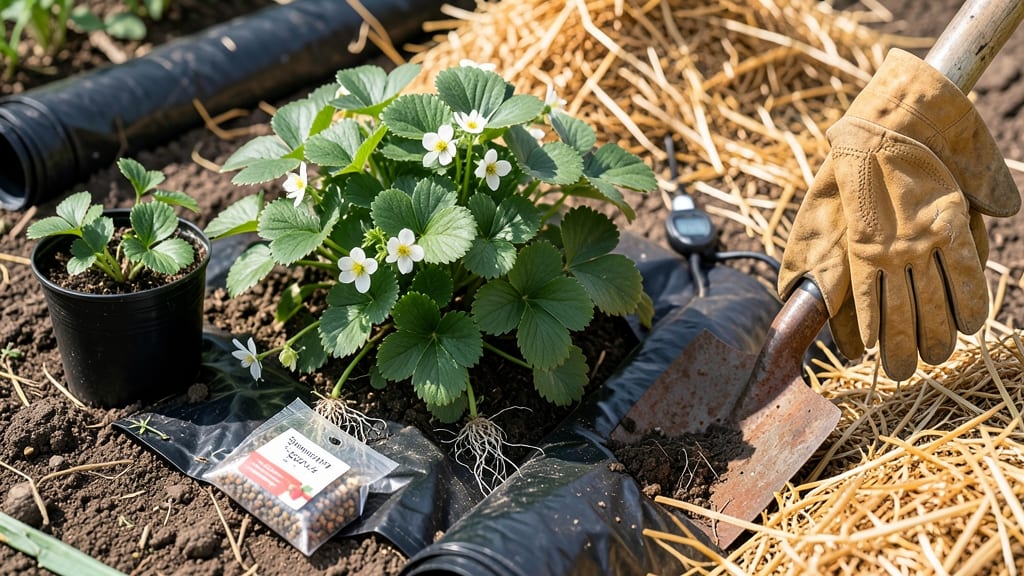
Timing your strawberry planting in Ohio can mean the difference between a bountiful harvest and a sad, frost-nipped disappointment. The right window—whether spring or fall—depends on your variety’s chill-hour needs and Ohio’s 6a climate zone quirks, like unpredictable late frosts.
Most gardeners in Ohio plant 🍓 strawberries between March and April for spring harvests or in September-October for fall planting. But here’s the catch: June-bearing varieties need 500+ chill hours, while everbearing types thrive with fewer.
Plant too early, and frost will ruin your tender runners; too late, and your berries may never ripen.
I’ll break down the exact planting schedule for Ohio’s most popular varieties, including when to prep soil and how to protect young plants from April’s surprise frosts. Whether you’re a first-time gardener or a seasoned pro, these tips will help you match your strawberries’ needs to Ohio’s fickle weather.
Ready to grow sweeter, more abundant strawberries? Let’s dive into the perfect planting strategy for your Ohio garden—no guesswork required.
Ohio’s best strawberry planting months by chill-hour needs
Ohio’s climate—with its USDA Zone 6a classification—creates a unique window for planting strawberries. The last frost date typically falls around April 15, but your success depends on matching your strawberry variety to Ohio’s 500–1,000 chill hours requirement.
June-bearing varieties thrive with 600–800 chill hours, while everbearing and day-neutral types need 400–600 hours.
For spring planting, aim for March through mid-April—4–6 weeks before the last frost. This timing ensures plants establish roots before warm weather arrives. Fall planting (September–October) is ideal for extending harvests, but avoid planting too late, as young plants need 4–6 weeks to root before winter dormancy.
Ohio’s microclimates matter: Toledo’s slightly cooler zone (6b) may delay planting by 1–2 weeks, while Cincinnati’s warmer pockets could allow earlier starts. Always check local frost data from the Ohio State Extension for precision.
🌱
| Variety Type | Chill-Hour Needs | Best Planting Window | Ohio Regions |
|---|---|---|---|
| June-Bearing | 600–800 hours | March–April (spring) or September (fall) | All zones (6a/b) |
| Everbearing | 400–600 hours | March–April (spring) or August–September (fall) | Warmer zones (6b) |
| Day-Neutral | 300–500 hours | April–May (spring) or July–August (fall) | All zones (6a/b) |
In Columbus (Zone 6a), start June-bearing varieties in late March to avoid early frost, while Toledo’s cooler zone (6b) may require delaying until mid-April. Cincinnati’s urban heat islands can push planting back by 1–2 weeks, so monitor local weather forecasts closely.
For fall planting, focus on September to allow roots to establish before winter. Avoid planting after October 1, as young plants may not survive Ohio’s first frost (mid-October). Use black plastic mulch in fall to warm soil and extend the growing season.
Ohio’s chill-hour variability means your location dictates success. For example, Akron’s higher elevation may need earlier planting than Dayton’s flatter terrain. Always verify chill-hour data with your local cooperative extension office for tailored advice.
🌿
If you’re unsure about your chill-hour range, opt for day-neutral varieties like ‘Albion’ or ‘Seascape’, which produce fruit with fewer chill hours and are more forgiving for Ohio’s warmer microclimates. These varieties also offer extended harvest windows from spring to fall.
Finally, remember that soil temperature matters just as much as air temperature. Strawberries need soil temps of 45–55°F to thrive. Use a soil thermometer to confirm readiness—especially in northern Ohio—before planting.
Ohio’s best strawberry planting months by chill-hour needs
Ohio’s USDA zones 5b-6a create a unique challenge for strawberry growers. The chill-hour requirement—the number of hours below 45°F needed to trigger flowering—varies dramatically between varieties. June-bearing types typically need 500-1,000 chill hours, while everbearing and day-neutral varieties thrive with 300-800 chill hours.
In Ohio, this means timing your planting to align with natural chill accumulation patterns.
For spring planting, aim for 4-6 weeks before your last frost date (around March 15-April 15 in most of Ohio). This window ensures plants establish roots before temperatures stabilize. In fall planting, September-October works best—allowing roots to settle before winter dormancy.
The key is avoiding late fall planting that leaves plants vulnerable to winter heaving or insufficient root development.
| Variety Type | Chill Hours Needed | Best Ohio Planting Window | Frost Risk Note |
|---|---|---|---|
| June-Bearing | 500-1,000 | Spring: March 15-April 15 | High risk if planted after April 1 |
| Everbearing | 300-800 | Spring or Fall: March-April or Sept-Oct | Fall planting extends harvest window |
| Day-Neutral | 300-600 | Spring: April 1-May 15 | Lowest frost risk in late spring |
Ohio’s microclimates play a critical role. Northern Ohio (e.g., Toledo) typically has 100-200 more chill hours than southern Ohio (e.g., Cincinnati).
For example, in Columbus (USDA 6a), June-bearing varieties need 700-900 chill hours, while in Cincinnati (USDA 6b), they may only need 500-700 chill hours. Always check your local last frost date—use the Old Farmer’s Almanac or Ohio State Extension for precise data.
Pro tip: If you’re unsure about chill hours, opt for everbearing or day-neutral varieties like ‘Albion’ or ‘Seascape’. These adapt better to Ohio’s variable climate. For June-bearing types, ‘Jewel’ and ‘Honeoye’ are top performers in Ohio trials.
Planting in raised beds with black plastic mulch can extend your growing season by 2-3 weeks in both spring and fall.
Remember, fall-planted strawberries often produce 20-30% larger berries the following year because they establish deeper roots before winter. However, avoid planting after October 15, as young plants may not develop sufficient cold hardiness before freezing temperatures arrive.
Use straw mulch (4-6 inches) to insulate roots during winter and prevent heaving when soil freezes and thaws.
For urban gardeners, container growing is an excellent option. Use 12-inch-deep pots with drainage holes and plant in late April to avoid early frost. Containers warm up faster in spring, giving you a 2-4 week head start over in-ground plantings.
Just be prepared to move containers indoors if unexpected late frosts hit your area.