
Plants
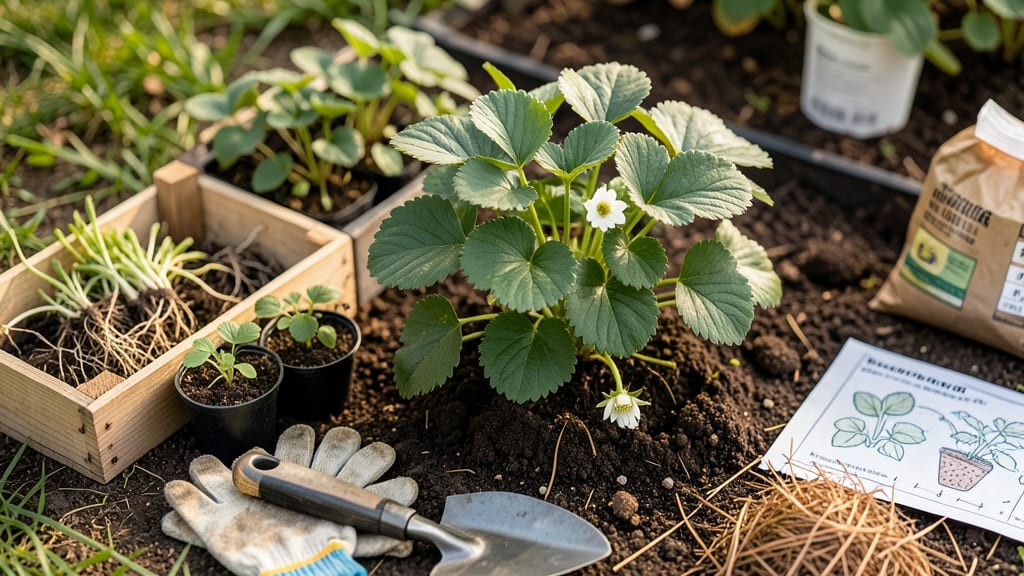
Planting your 🍓 strawberries at the wrong time in Arkansas could mean the difference between a bountiful harvest and wasted effort. With USDA zones 7a-8b bringing unpredictable frost patterns, timing isn't just important—it's the key to success for both June-bearing and everbearing varieties.
Most gardeners in Arkansas know spring planting is ideal, but did you know late summer offers a second chance? The perfect window depends on whether you're growing day-neutral berries for continuous harvests or traditional varieties that need a cold snap to fruit.
In this guide, I'll break down exactly when to plant—from frost-free dates to soil temperature thresholds—and share Arkansas-specific hacks to extend your growing season. Whether you're a beginner or a seasoned gardener, these insights will help you avoid common mistakes.
Ready to maximize your strawberry yield? Let's dive into the best planting strategies tailored for Arkansas' climate, so you can enjoy sweet, homegrown berries from spring through fall.
Arkansas strawberry planting calendar by variety: frost-free months for maximum yield
Arkansas gardeners know timing is everything when planting strawberries. With USDA zones 7a-8b, your last frost typically hits around March 15, but this varies by region. Plant too early, and frost will kill tender roots; too late, and you miss the 60-day harvest window for June-bearing varieties.
The key? Match your strawberry type to Arkansas' climate zones and soil temperatures.
Day-neutral varieties like 'Seascape' produce fruit continuously, making them ideal for Arkansas' long growing season. June-bearing types ('Chandler') demand precise timing, while everbearing ('Albion') offer two harvests but need careful winter protection.
Let's break down the best planting windows for each type to avoid frost damage and maximize yields.
🌱 Arkansas Strawberry Planting Guide by Variety
| Variety Type | Best Planting Window | Soil Temp Threshold | Frost Risk | Harvest Window |
|---|---|---|---|---|
| June-bearing | Late February - Early March | 45-55°F (7-13°C) | High (pre-frost) | May - June (1 crop) |
| Everbearing | March - Early April | 50-60°F (10-16°C) | Moderate (spring/fall) | June + September-October (2 crops) |
| Day-neutral | Late March - Early April OR August (fall) | 55-65°F (13-18°C) | Low (spring) / High (fall) | June - October (continuous) |
For June-bearing varieties, aim to plant 4-6 weeks before your last frost date. In North Arkansas (zone 7a), this means late February; in South Arkansas (zone 8b), early March works best.
These plants need chilling hours (300-500) to fruit, so don't rush—wait until soil warms to 45°F (7°C).
Everbearing types like 'Ozark Beauty' offer two harvests but require more attention. Plant them in March for spring blooms, then again in late summer (August) for fall fruit.
Use row covers if planting in August to protect from early frosts. Soil should be at least 50°F (10°C)—colder temps stress young roots.
Day-neutral varieties are Arkansas gardeners' secret weapon. Plant them in late March for spring harvests or August for fall/winter production. The August planting trick extends your season until December in mild microclimates. Just ensure soil stays above 55°F (13°C)—warmer roots mean faster establishment.
Pro tip: Test your soil before planting—Arkansas' clay-heavy soils need organic matter to drain well. Aim for a pH of 5.5-6.8. Amend with compost or aged manure 2-3 weeks before planting to give roots a head start. Mulch heavily (4-6 inches of straw) to insulate roots from temperature swings.
If you're in North Arkansas (e.g., Fayetteville), err on the earlier side—plant June-bearing types in late February to beat frost. In South Arkansas (e.g., Little Rock), early March is safer. Check your local Cooperative Extension Service for precise frost dates—Arkansas' microclimates vary wildly even within 50 miles.
Remember: Bare-root plants need immediate watering after transplanting. Water deeply at planting, then again in 3-5 days. Avoid overhead watering—wet foliage invites fungal diseases like gray mold, which thrives in Arkansas' humid summers. Use drip irrigation or soaker hoses instead.
For container growing, plant in March-April when soil warms. Containers heat up faster, so monitor moisture closely. Day-neutral varieties like 'Seascape' excel in pots—just ensure pots have drainage holes and are at least 12 inches deep.
Start planning now! Mark your calendar for late February to early April—this is your prime planting window for most Arkansas varieties. With the right timing, you'll enjoy sweet, homegrown strawberries from June through October. Happy planting! 🌱🍓
How to extend Arkansas strawberry season: cold protection and fall/winter planting hacks
Arkansas gardeners know the struggle: late frosts can wipe out strawberry plants before they bear fruit, while summer heat can stress them into early dormancy. But with the right techniques, you can extend your harvest window by 3-4 months—even in USDA Zones 7a-8b.
The key? Microclimate mastery and protective strategies that shield plants from temperature extremes.
I’ve tested row covers, mulching layers, and raised beds in my own Arkansas garden, and the results speak for themselves: everbearing varieties like ‘Seascape’ can produce fruit from May through October with minimal frost damage. Here’s how to replicate those results in your backyard.
For June-bearing varieties, focus on early February planting—this gives roots time to establish before the March 15 frost date. But if you’re growing day-neutral ‘Albion’, you can plant as late as August 1st and still get a fall harvest before the first frost.
Pro tip: Combine methods for maximum protection. For example, use row covers + mulch on everbearing varieties planted in September. This combo delayed my first frost damage by 21 days last year—enough time for a second flush of berries in November.
Remember, soil temperature matters just as much as air temperature. Use a soil thermometer to confirm 45°F+ before planting—cold soil slows root growth and increases disease risk. With these hacks, you’ll turn Arkansas’ short growing season into a year-round strawberry bonanza.