
Planting
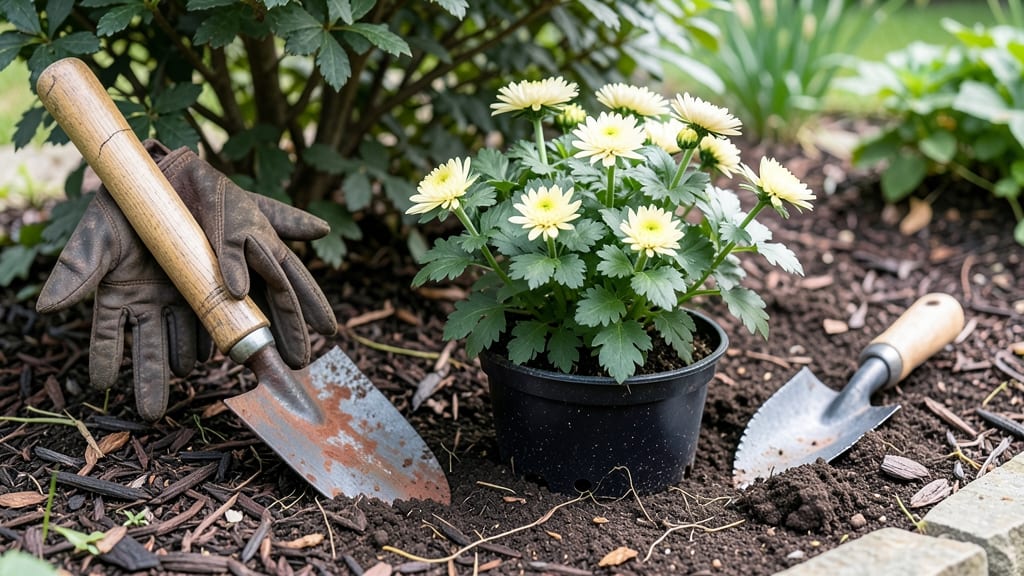
Knowing when to plant mums in the ground can mean the difference between a garden bursting with vibrant 🌼 blooms and one that barely survives the season.
These hardy flowers thrive when planted at just the right moment—too early, and they’ll bolt or fade; too late, and frost might cut their potential short.
For gardeners in USDA Zone 6a (and similar climates), the ideal window opens in late summer—typically 4-6 weeks before your first frost. That means if your area freezes around mid-October, you’ve got until early September to get them in the soil.
Timing this perfectly ensures strong root growth before winter sets in.
But here’s the catch: soil temperature and daylight hours play a bigger role than you might think. Planting too soon can stress young mums, while waiting too long risks stunted growth.
I’ll walk you through how to read your local frost dates, prep your soil, and give your mums the best shot at a show-stopping fall display.
Whether you’re a seasoned gardener or a first-timer, these tips will help you avoid common mistakes and maximize your mums’ potential. Let’s get those 🌼 blooming bright and early!
Optimal planting window for mums: 4-6 weeks before first fall frost
Planting mums at the right time ensures they establish strong roots before winter sets in. The golden window is 4-6 weeks before your first fall frost, allowing enough time for root growth and bloom development.
For most U.S. regions, this means late July to early September, but exact dates vary by USDA hardiness zone.
Mums thrive on shorter daylight hours in fall, which triggers blooming. If planted too early, they may produce weak stems or bolt (flower prematurely). Conversely, planting too late risks frost damage before they establish roots.
My rule of thumb? Check your local frost date chart—most extension offices provide this for free.
For example, in USDA Zone 5 (like Chicago), aim for mid-August planting to ensure blooms by October. In Zone 9 (like Los Angeles), you can plant as late as early October since frost comes much later. Always adjust based on your microclimate—valleys frost earlier than hillsides!
Soil temperature also matters. Mums prefer soil between 60°F and 70°F at planting time. Use a soil thermometer to check—if it’s cooler than 55°F, wait a week or two. Cold soil slows root growth, making plants vulnerable to disease.
Another pro tip: Container-grown mums can handle slightly later planting than bare-root ones. Their established root systems adapt faster to cooler soil. If you’re unsure, opt for potted mums from garden centers—they’re more forgiving for last-minute gardeners.
| USDA Zone | Ideal Planting Month | Key Consideration |
|---|---|---|
| 3-4 | Early July | Short growing season; use cold-hardy varieties. |
| 5-6 | Mid-August | Classic mum season; 6 weeks before frost. |
| 7-8 | Late August | Longer season; can plant up to 4 weeks late. |
| 9-10 | Early October | Minimal frost risk; focus on soil prep. |
🌼 Adjust for high-altitude areas—plant 2 weeks earlier.
To calculate your exact planting date, subtract 42 days from your average first frost date. For instance, if frost hits October 15, plant by September 3. Use this free frost calculator from the Old Farmer’s Almanac to double-check.
Once you’ve nailed the timing, prepare your soil with compost and a balanced fertilizer (like 10-10-10). Mums love well-draining, slightly acidic soil (pH 6.0-6.5). Amend heavy clay by mixing in sand or perlite—this prevents root rot, a common issue with late-planted mums.
After planting, water deeply to settle roots, then mulch with 2-3 inches of straw to retain moisture. Avoid overhead watering in fall—wet foliage invites powdery mildew, which thrives in cool, damp conditions. Instead, use a soaker hose at the base.
Pro move: Label your mums by variety! Some bloom earlier (like ‘Bonanza’ series) while others need cooler temps (like ‘Dazzler’). This helps you plan for sequential blooms from September through November. With the right timing, your garden will burst with color just as summer fades!
Signs your mums are ready for planting (and what happens if you’re late)
Knowing exactly when to plant your chrysanthemums isn’t just about checking a calendar—it’s about reading your plants and soil. Mums thrive when planted 4-6 weeks before the first frost, but they’ll give you subtle clues when they’re ready.
Look for bud formation in late summer, which signals they’re eager to establish roots before cooler weather sets in.
Another key sign is the leaf color and growth rate. Healthy mums will show vibrant green leaves with no yellowing or browning. If your plants are outgrowing their containers, their roots are likely tangled and ready for a permanent home in the ground.
This usually happens when you see new growth at the base of the stems.
Don’t ignore the soil temperature—it’s a critical factor. Mums prefer soil that’s at least 60°F (15°C) when planting. Use a soil thermometer to check, especially in cooler climates. If the ground feels chilly to the touch, wait a few more days.
Warm soil helps roots establish quickly, giving your mums the best chance to bloom before winter arrives.
⚠️ Warning: Planting Too Early or Too Late
Planting too early (before mid-summer) risks disease from prolonged damp soil and weak root systems. Your mums may flop over or fail to bloom at all.
Planting too late (within 2 weeks of frost) means the roots won’t have time to anchor before winter. This often leads to winter kill or stunted growth the following spring.
In USDA Zone 6a, aim for late July to early August—this gives your mums 8-10 weeks to establish before the first frost on October 15.
If you miss the ideal window, don’t panic! You can still plant mums up to 6 weeks before frost, but expect smaller blooms or delayed flowering.
For a second chance, try container gardening—potted mums can be moved indoors before frost and brought back outside in spring for a fresh start.
Once planted, give your mums a good soaking and a 2-inch layer of mulch to retain moisture and regulate soil temperature. This helps them transition smoothly into cooler weather. Avoid fertilizing right after planting—wait until you see new growth to feed them lightly with a balanced 5-10-10 fertilizer.
Remember, the goal is to give your mums enough time to root deeply and bloom beautifully before winter. Pay attention to their cues, and you’ll enjoy a vibrant fall display that’s the talk of the neighborhood! 🌼