
Companion Plants
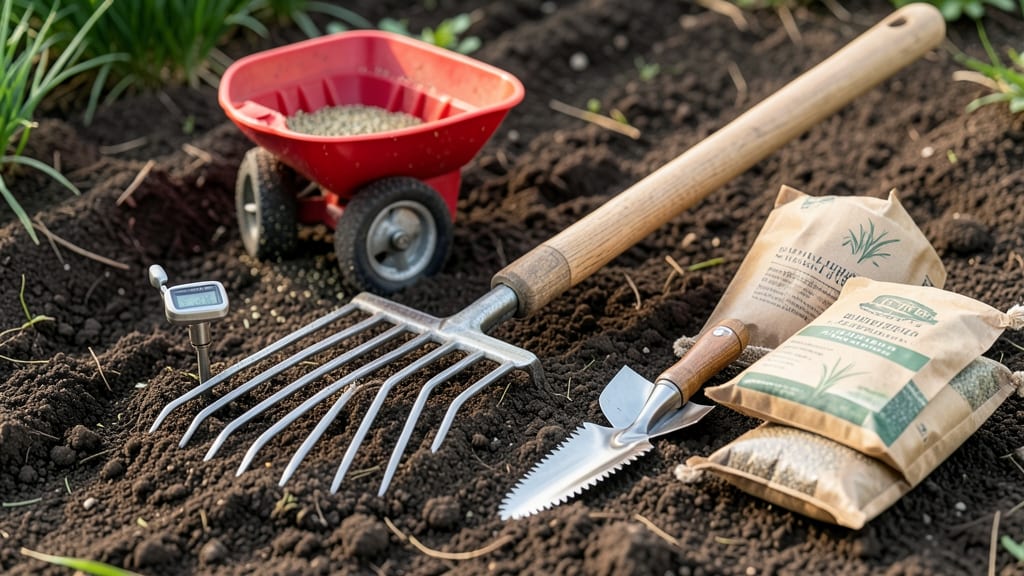
Planting grass in spring feels like betting on a lush lawn—except most gardeners miss the one key factor that determines success. The right timing isn’t just about waiting for warmer weather; it’s about soil temperature, and getting it wrong can leave you staring at patchy grass for months.
I’ve seen firsthand how fast establishment happens when you plant at the perfect moment—usually 4-6 weeks before your last frost—but only if your soil is warm enough. For most of us in Zone 6a, that means starting in early April, but there’s more to it than just dates.
Cool-season grasses like Kentucky bluegrass need soil around 55°F, while warm-season types like Bermuda wait for 65°F+.
Here’s the game-changer: your microclimate matters. A sunny patch warms up faster than a shady corner, and even a few degrees can mean the difference between quick germination and waiting another month. I’ll show you exactly how to check your soil’s readiness—and the 3 signs it’s finally time to plant.
Skip the guesswork and get a lawn that greens up in weeks, not months. Let’s break down the ideal planting window, seed choices, and care tips tailored to your spring conditions.
Ideal soil temperatures for spring grass planting by region
Spring grass planting success starts with soil temperature, not just air temperature. Cool-season grasses like Kentucky bluegrass and fescue thrive when soil reaches 55-65°F (13-18°C), while warm-season varieties like Bermuda and Zoysia need 65-75°F (18-24°C).
Your last frost date is a rough guide, but soil thermometers reveal the real story—especially in microclimates where frost pockets linger.
Northern climates (USDA Zones 3-5) typically see ideal planting conditions 4-6 weeks after the last frost, often in late April to early May. Southern regions (Zones 7-10) can plant earlier (March) or later (May) since warm soil arrives sooner.
Even a 5°F difference can delay germination by 1-2 weeks, so don’t guess—test your soil!
A soil thermometer ($10 at garden centers) is your best tool. Bury it 4 inches deep (where seeds will be) and check daily. Morning readings are most accurate. Pro tip: Shady areas stay cooler by 5-10°F—plant those spots 1-2 weeks later than sunny patches to sync germination.
For cool-season grasses, aim to plant when soil hits 55°F (13°C) consistently for 5 days. Warm-season grasses need 65°F (18°C) for 7+ days. Overly warm soil (80°F+) can cause seed dormancy or fungal issues, so adjust your timeline if spring heats up fast.
🌱 Spring Grass Planting by Region & Grass Type
| Region | Grass Type | Ideal Soil Temp | Planting Window | Germination Time |
|---|---|---|---|---|
| Northern (Zones 3-5) | Kentucky Bluegrass | 55-65°F (13-18°C) | Late April–Early May | 10-21 days |
| Northern (Zones 3-5) | Tall Fescue | 50-60°F (10-15°C) | Early April–Mid-May | 14-28 days |
| Southern (Zones 7-10) | Bermuda Grass | 65-75°F (18-24°C) | March–April | 7-14 days |
| Southern (Zones 7-10) | Zoysia Grass | 60-70°F (15-21°C) | Late March–May | 10-21 days |
| Pro Tip: Use a soil warming mat ($20) if your soil runs 10°F below ideal for 2+ weeks. | ||||
Microclimates throw a wrench into regional averages. A south-facing slope might hit 65°F (18°C) by mid-April, while a north-facing valley could linger at 50°F (10°C) into May. Test multiple spots in your yard—especially if you have large trees or stone walls that alter heat retention.
Adjust your planting date by 1-3 weeks based on these microclimate tests.
If you’re in transition zones (Zones 6-7), consider oversowing cool-season grass in early spring and warm-season grass in late spring for year-round coverage. For example, plant Tall Fescue in April and <
Ideal soil temperatures for spring grass planting by region
Planting grass in spring is all about soil temperature, not just air temperature. Cool-season grasses like Kentucky bluegrass and fescue thrive when soil hits 50–60°F (10–15°C), while warm-season types such as Bermuda and Zoysia need 65–75°F (18–24°C).
Your last frost date is a starting point, but soil thermometers reveal the real story—especially in microclimates like shaded spots or south-facing slopes.
Northern climates (USDA Zones 3–6) typically see ready-to-plant soil by mid-April, while Southern regions (Zones 7–10) can start as early as February. The key? Wait until the 5-day forecast shows no more freezing nights, then test soil depth (4–6 inches down).
Pro tip: Morning soil temps are usually 5°F cooler than afternoon readings—plan accordingly.
| Region | Climate Type | Ideal Soil Temp | Best Grass Types | Planting Window |
|---|---|---|---|---|
| Northern (Zones 3–6) | Cool-season | 50–60°F (10–15°C) | Tall fescue, Kentucky bluegrass | Mid-April to early May |
| Transition (Zones 6–7) | Mixed | 55–65°F (13–18°C) | Ryegrass blends, fine fescue | Late March to June |
| Southern (Zones 7–10) | Warm-season | 65–75°F (18–24°C) | Bermuda, Zoysia, St. Augustine | Late April to early June |
🌡️ Pro Tip: Use a soil thermometer at 4" depth for accuracy.
Microclimates throw a wrench into timing. A shaded yard stays cooler longer, delaying planting by 2–3 weeks, while south-facing slopes warm up faster. Test multiple spots—your lowest-performing area dictates your planting date.
For example, if your north side hits 55°F in May but your south side reaches it in April, prioritize the cooler zone to ensure uniform growth.
Overlooking soil temperature leads to slow germination or seed rot. If you plant too early, seeds may wash away during rain or freeze overnight. Too late?
You risk summer drought stress before roots establish. The 6-week rule applies: Plant when you can guarantee consistent warmth for at least 42 days post-seeding.
Regional extensions offer free soil temperature maps. For instance, the University of Georgia tracks warm-season grass readiness, while Penn State provides cool-season alerts. Bookmark your local agricultural website—they update weekly.
Pair this with a seed packet’s recommended window, and you’ll nail the sweet spot for your lawn’s success.
Don’t forget to prep your soil 1–2 weeks before planting. Loosen compacted areas with a core aerator and add compost to boost warmth retention. A thin layer of straw mulch (¼ inch) after seeding locks in moisture and shields seeds from temperature swings—critical for fast, even germination.