
How To
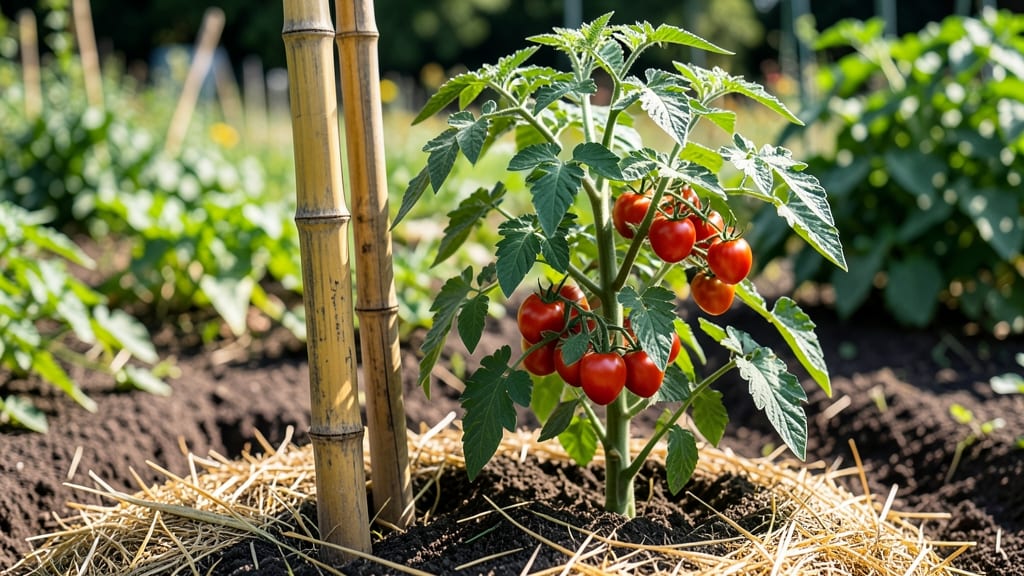
Wondering how tall does a Roma tomato plant grow before it starts dominating your garden? You’re not alone—this question can make or break your planting plans, especially when space is limited.
A 🍅 Roma tomato can swing wildly between 3 feet and towering over 6 feet, depending on the variety and care you provide. Knowing the right height range helps you choose between cozy corner spots or sprawling trellises, ensuring your harvest thrives without crowding other plants.
Some Roma varieties stay compact, perfect for containers or small gardens, while others grow like vertical giants, needing sturdy support to avoid flopping over. The difference often comes down to whether you’re growing a determinate (bushy) or indeterminate (vining) type—and how you prune and train them.
Without the right approach, even a 4-foot plant can stretch into a 6-footer, leaving you scrambling for stakes or regretting that tight planting spot.
But here’s the good news: with a few simple adjustments—like proper spacing, strategic pruning, and the right trellis—you can control your Roma’s height and maximize your harvest.
Whether you’re working with USDA Zone 6a conditions or a sunny balcony, these tips will help you grow a plant that fits your space and your goals. Let’s break down the key factors so you can plan your garden like a pro.
Ready to turn your Roma tomatoes from a space hog into a yield machine? I’ll walk you through everything from dwarf varieties to tall climbers, plus the game-changer techniques that keep your plants happy—and your garden organized. No guesswork, just results.

Roma tomato plant height guide: compact vs. tall varieties compared
When planning your garden, understanding the height range of Roma tomato plants is crucial. These plants can vary dramatically in size, from compact dwarf varieties to towering indeterminate types that need serious support.
The average mature height for most Roma tomatoes falls between 3 to 6 feet, but some specialized varieties stay as short as 2 feet, while others can reach 8 feet or more with proper care.
If you're working with limited space, dwarf or semi-dwarf Roma varieties are perfect for containers or small gardens. These plants typically max out around 3 to 4 feet, making them ideal for balconies, patios, or even windowsills with sufficient sunlight.
On the other hand, indeterminate Roma tomatoes grow continuously throughout the season, often requiring 6 feet or more of vertical support to keep vines off the ground and maximize yield.
🌱
| Variety Type | Height Range | Growth Habit | Best For |
|---|---|---|---|
| Dwarf Roma | 2–3 ft | Bushy, compact | Containers, small gardens |
| Semi-Dwarf Roma | 3–4 ft | Moderate spread | Balconies, raised beds |
| Standard Roma | 4–6 ft | Vining, requires support | In-ground gardens, trellises |
| Indeterminate Roma | 6–8+ ft | Continuous growth | Large spaces, vertical gardens |
The height of your Roma tomato plant directly impacts how you should space them in your garden. For dwarf varieties, 18 to 24 inches apart is ideal, while semi-dwarf types need 2 to 3 feet of space.
Standard and indeterminate varieties require 3 to 4 feet between plants to allow for proper airflow and support structures like cages or stakes.
If you're growing Roma tomatoes in containers or hanging baskets, choose dwarf or semi-dwarf varieties to avoid overcrowding. A 5-gallon container can comfortably support a 3-foot-tall plant, while larger pots (10+ gallons) can accommodate taller varieties.
Always ensure your container has drainage holes to prevent root rot, which can stunt growth and reduce yield.
Another key factor influencing height is the pruning and training methods you use. Indeterminate Roma tomatoes benefit from regular pruning to encourage upward growth and prevent sprawling vines.
By removing suckers (side shoots) and training the main stem along a sturdy trellis or cage, you can control plant height and direct energy toward fruit production rather than excessive foliage.
For gardeners in small spaces or urban settings, vertical gardening is a game-changer. Using tomato cages, trellises, or even a simple string system, you can grow taller Roma varieties without sacrificing valuable ground space.
Just ensure your support structure is at least 6 feet tall to accommodate indeterminate types, which can grow several inches per week under ideal conditions.
🌿
One common mistake is assuming all Roma tomatoes grow the same height. Variety selection plays a huge role in determining your plant's final size. For example, the 'Roma VF' (virus-resistant) variety typically stays between 3 to 5 feet, while 'Big Beef Roma' can reach 6 feet or taller.
Always check the seed packet or plant tag for height expectations to avoid surprises.
Finally, remember that environmental factors like sunlight, soil quality, and watering can also affect height. Roma tomatoes grown in full sun (6+ hours daily) with rich, well-draining soil tend to grow taller and produce more fruit.
In contrast, plants in shady or nutrient-poor conditions may stay shorter but could also struggle with stunted growth or poor yields.
By choosing the right variety and providing proper support, you can optimize your Roma tomato plant's height to fit your garden perfectly—whether you're aiming for a compact bush or a towering vine loaded with plump, flavorful tomatoes. 🍅
How to control Roma tomato height: pruning and training tips for space-saving gardens
If your Roma tomato plants are reaching for the sky faster than expected, don’t panic—you can train their growth with simple techniques. Pruning and support systems aren’t just for overgrown vines; they’re essential for maximizing yield in small spaces.
Whether you’re working with a 3-foot dwarf or a 6-foot indeterminate variety, these methods will help you keep your plants in check while boosting productivity.
Start by understanding your plant’s natural growth habit. Indeterminate Roma tomatoes (the most common type) grow continuously until frost, while determinate varieties stop at a set height. For indeterminate types, pruning encourages stronger stems and more fruit by redirecting energy.
For determinate types, minimal pruning keeps the plant compact and bushy, ideal for container gardens or tight spaces.
Step-by-Step Pruning & Training Guide
- Step 1: Install Support Early – Set up cages, stakes, or trellises at planting time. Roma tomatoes need sturdy support to prevent sprawling. Use 5-foot cages for dwarf varieties or 6-foot stakes for taller types.
- Step 2: Prune Suckers Regularly – Remove suckers (side shoots) that grow between the main stem and branches. Pinch them off with your fingers or trim with clean pruners to avoid disease. Do this weekly during the growing season.
- Step 3: Thin Leaves for Airflow – Trim lower leaves (up to 12 inches from the ground) to improve circulation and sunlight. This reduces disease risk like blight and helps fruit ripen faster.
- Step 4: Top the Plant (Optional) – For indeterminate varieties, pinch off the top growth after the first 5-6 fruit clusters to redirect energy to existing fruit. This is especially useful in small gardens where vertical space is limited.
- Step 5: Train Vines Upward – Gently tie vines to supports as they grow. Use soft plant ties or old fabric strips to avoid damaging stems. This keeps the plant upright and organized.
Pruning might seem counterintuitive—after all, why remove leaves and shoots if you want more tomatoes?—but it’s a game-changer. By removing non-fruiting growth, you allow the plant to focus its energy on producing larger, healthier tomatoes.
Plus, well-pruned plants are easier to harvest and maintain, especially in container gardens where space is limited.
For container-grown Roma tomatoes, choose compact varieties like ‘Roma VF’ or ‘Roma Red’ and prune aggressively to keep the plant under 4 feet tall. In ground gardens, indeterminate varieties can reach 6+ feet if left unchecked, so regular pruning and staking are a must.
Remember, the goal isn’t to stunt growth but to guide it for optimal results.
Timing is everything when it comes to pruning. Avoid heavy pruning during flowering or fruiting stages, as this can stress the plant. Instead, focus on early-season maintenance (first 6-8 weeks) and light trimming afterward.
If you’re new to pruning, start small—remove just the suckers and a few lower leaves—and observe how your plant responds before committing to a full pruning schedule.
With the right techniques, you can control Roma tomato height while still enjoying a bountiful harvest. Whether you’re dealing with a 3-foot bush or a 6-foot vine, pruning and training will help you make the most of your garden space—no matter how tight it is. Happy growing!