
Plants
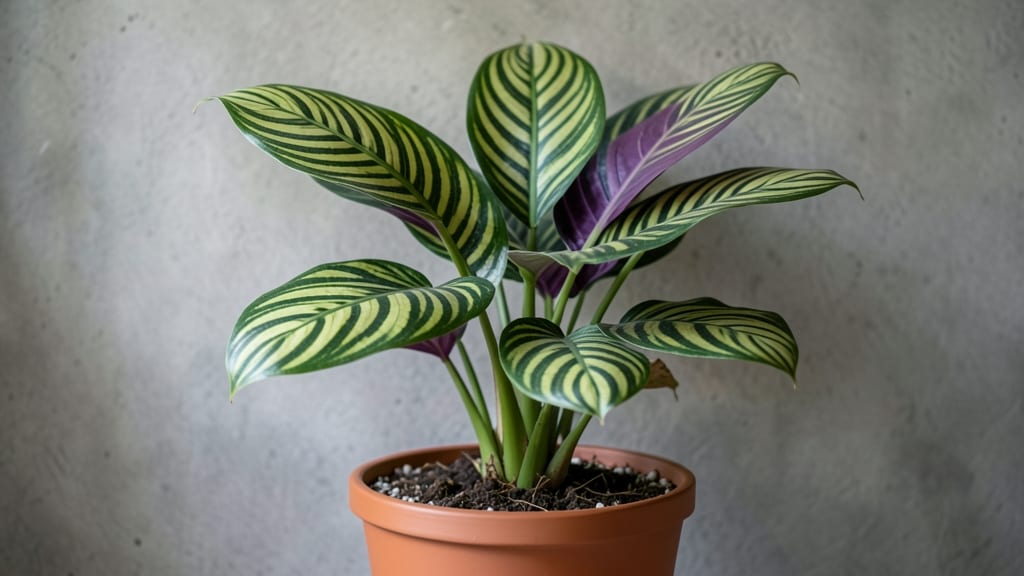
If you’re wondering how much light does a zebra plant need, the answer is simple—it’s the key to keeping those signature striped leaves bold and vibrant.
This stunning houseplant thrives on bright but indirect sunlight, but too much direct exposure can scorch those gorgeous patterns, while too little leaves you with pale, sad foliage.
The key to keeping your Zebra Plant happy lies in mimicking its natural tropical habitat. In your home, that means placing it near an east or north-facing window where it gets 4-6 hours of filtered light daily.
If your space is dimmer, don’t worry—artificial grow lights can step in to prevent leggy growth or faded stripes.
But here’s the catch: even the right amount of light can go wrong if you ignore seasonal shifts. Summer’s harsh rays might need extra shielding, while winter’s weaker sunlight could mean supplementing with a simple LED bulb.
I’ll show you exactly how to spot signs of light stress and adjust your plant’s placement for year-round vibrancy.
Ready to transform your Zebra Plant from struggling to stunning? Let’s dive into the game-changer lighting strategies that’ll keep those bold stripes sharp and your plant thriving—no guesswork required.

Optimal light requirements for zebra plant growth: bright indirect sunlight explained
Your zebra plant (Aphelandra squarrosa) thrives on bright indirect sunlight, which is why it’s perfect for east or north-facing windows. Too little light dulls its signature striped foliage, while too much causes leaf scorch.
Finding the right balance ensures those bold green-and-white patterns stay vibrant and your plant grows lushly.
The ideal spot receives 4-6 hours of filtered light daily, mimicking its natural understory habitat in South American rainforests. Think of it as the goldilocks zone—not too harsh, not too dim.
If you notice yellowing leaves or stretched growth, it’s begging for more light. Conversely, brown crispy edges mean it’s getting too much direct sun.
For indoor growers, position your zebra plant 2-3 feet from an east-facing window during summer months when sun intensity peaks. North-facing windows work year-round, offering consistent gentle light exposure.
Avoid south or west windows unless you use a sheer curtain to diffuse the rays—direct afternoon sun will bleach or burn those beautiful leaves.
🌱
| Light Condition | Ideal Hours/Day | Best Window Placement | Leaf Response |
|---|---|---|---|
| Bright Indirect | 4-6 hours | East/North window, 2-3 ft away | Vibrant stripes, healthy growth |
| Low Light | <2 hours | North-facing window or interior room | Dull leaves, leggy stems |
| Direct Sun | >6 hours unfiltered | South/West window without shade | Brown edges, bleached stripes |
Artificial lighting can save your zebra plant during winter months when natural light dwindles. A 12-inch LED grow light placed 12-18 inches above the plant for 12-14 hours daily mimics ideal conditions.
Look for bulbs with a cool white spectrum (5000K-6500K) to avoid heat stress. Fluorescent bulbs work too but require closer placement—just 6 inches away for 14 hours a day.
Pro tip: Rotate your plant quarter-turn weekly to ensure even light exposure. Zebra plants grow toward their light source, which can lead to lopsided growth if left unchecked. This simple habit keeps those striking stripes symmetrical and show-stopping.
Outdoor zebra plants (in USDA zones 10-11) love dappled shade under trees or on patios with afternoon shade. Never expose them to midday sun—their tropical roots can’t handle the heat. If you’re growing yours outdoors, bring it inside before temperatures drop below 60°F at night.
Watch for these light deficiency signs: pale leaves, sparse foliage, or stems stretching toward light sources. These are clear signals to move your plant closer to a brighter spot.
On the flip side, sunburned leaves (brown patches) mean it’s time to add a sheer curtain or relocate to indirect light immediately.
Remember, zebra plants are low-maintenance light lovers. With the right balance, they’ll reward you with bold, healthy foliage for years. Start by placing yours near that east window today—you’ll see the difference in just a few weeks! ☀️🌿
How to adjust light for your zebra plant’s seasonal needs: winter vs. summer care
Your zebra plant’s light needs shift dramatically between seasons, and ignoring these changes can lead to stunted growth or leaf damage. In winter months, shorter daylight hours force the plant to adapt, while summer’s intense rays can scorch delicate foliage if not managed.
The key is understanding how to supplement natural light and protect from overexposure at different times of year.
During winter (December-February), your zebra plant may show signs of light deprivation like pale leaves or slow growth. This is when artificial grow lights become your best friend. Position a 15-watt LED grow bulb 12-18 inches above the plant for 12-14 hours daily.
For summer (June-August), the opposite challenge arises—direct afternoon sun can bleach those prized zebra stripes. Move your plant 5-6 feet back from south-facing windows or use sheer curtains to diffuse harsh rays.
| Season | Natural Light Needs | Artificial Supplement | Key Adjustments |
|---|---|---|---|
| Winter | 4-5 hours bright indirect | LED grow light (12-14 hrs/day) | Rotate plant weekly for even growth |
| Spring/Fall | 6 hours bright indirect | None needed (unless cloudy) | Gradually increase sun exposure |
| Summer | Morning sun only (2-3 hrs) | None (avoid artificial heat) | Use sheer curtains for afternoon shade |
For spring and fall, your zebra plant enjoys a golden transition period with moderate light. Place it near an east-facing window where it receives gentle morning sun, then gradually move it toward west-facing windows as summer approaches.
This slow acclimation prevents shock to the plant’s foliage. Pro tip: Use a light meter app to track lux levels—ideal range is 1,000-2,000 lux for zebra plants.
If you notice yellowing leaves in winter, it’s a cry for more light. Conversely, brown leaf tips in summer signal sunburn. The solution? Adjust placement weekly and watch your zebra plant’s stripes stay bold and vibrant. Remember, consistency is key—sudden light changes stress the plant more than gradual shifts.
For urban dwellers with limited natural light, invest in a full-spectrum LED grow light like the Samsung LM300. Position it 12 inches above the plant and run it for 14 hours daily.
Pair this with a reflective surface (like aluminum foil) behind the pot to maximize light distribution. Your zebra plant will reward you with lush, striped foliage year-round.
🌿