
Planting
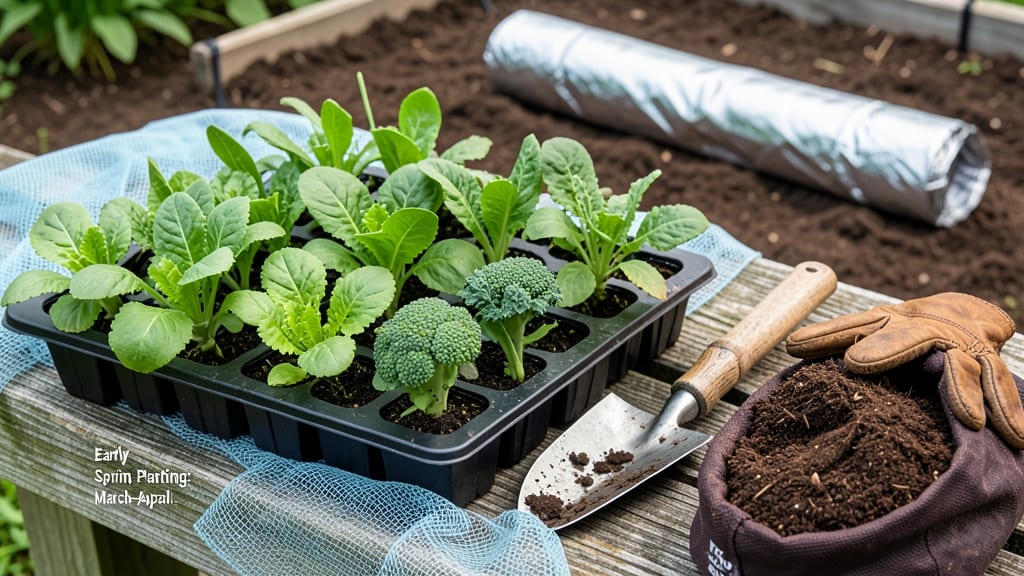
Timing your garden planting in Upstate NY isn’t just about luck—it’s about knowing when to plant 🌱 General Garden Plants to avoid frost damage or wasted effort. With Zone 5B’s unpredictable swings from late frosts to early heat waves, even experienced gardeners can lose crops if they miss the window.
Spring planting typically starts around April 15, but waiting until soil warms to 50°F ensures your seeds germinate properly. Fall is your second chance, with August 1 marking the ideal start for cool-season crops like kale and spinach, which can handle light frosts.
Upstate NY’s short growing season means every day counts—whether you’re planting heat-loving tomatoes or frost-tolerant greens. I’ll break down the best strategies to maximize your harvest, from adjusting for microclimates to choosing the right varieties for your zone.
Ready to turn your garden into a thriving oasis? Let’s dive into the exact planting dates and tips that work for Upstate NY’s unique climate.
Upstate NY zone 5B frost dates: critical planting windows for spring & fall
Timing your garden in Upstate New York hinges on understanding the Zone 5B frost dates, which average between April 15–May 15 for the last spring frost and October 15–20 for the first fall frost.
These dates create your 150–180 frost-free days, the backbone of your growing season. Missing them can mean lost seedlings or stunted crops, while planting too early risks heat stress—especially in Upstate NY’s unpredictable climate.
For spring planting, I always use the 10-day rule: Wait until 10 days after your average last frost date to transplant tender seedlings like tomatoes or peppers. This buffer accounts for late frosts, which can linger into mid-May in colder pockets like Albany or Syracuse.
In warmer areas like Buffalo, you might start as early as April 20, but frost pockets near lakes or hills can delay safe planting by weeks.
Fall planting is equally critical. Cool-season crops like kale or spinach need 4–6 weeks before the first frost to mature. In Upstate NY, this means sowing seeds by August 15 in most areas, but earlier in southern regions (e.g., Rochester) and later in northern zones (e.g., Adirondacks).
Always check local USDA Plant Hardiness Zone Map tools or Cornell Cooperative Extension resources for hyper-local adjustments.
| Season | Critical Dates | Action | Notes |
|---|---|---|---|
| Spring | Last Frost: April 15–May 15 | Transplant after 10-day buffer | Soil temp ≥ 50°F |
| Spring | Peak Heat: July–August | Plant heat-resistant varieties | Use shade cloth if needed |
| Fall | First Frost: October 15–20 | Sow 4–6 weeks before frost | Cool crops: kale, spinach, radishes |
| Year-Round | Soil Prep | Test pH (6.0–7.0 ideal) | Add compost in fall |
To stay ahead of Upstate NY’s unpredictable weather, I rely on three tools: the National Weather Service alerts for frost warnings, local gardeners’ forums (like those on NYGardening.com), and a soil thermometer to confirm when temps hit 50°F for spring planting.
Pro tip: Buffalo’s lake-effect climate can delay frost by 2 weeks, while higher elevations (e.g., Catskills) may see frost a week earlier. Always scout your microclimate!
For fall planting, I prioritize fast-maturing crops like bush beans (50 days) or radishes (25 days) to squeeze in harvests before frost. Extend the season with row covers or cold frames, which can push your last harvest into November.
Just avoid planting warm-season crops (e.g., cucumbers) after July 15—they won’t tolerate fall’s chill.
One mistake I’ve made? Ignoring soil temperature and planting too early. Cold soil slows germination, so I now use a soil thermometer to confirm 50°F for spring and 45°F for fall crops.
Pair this with a planting calendar from Cornell Cooperative Extension, which offers county-specific advice. Their 2024 Upstate NY Gardening Guide is a game-changer for avoiding common pitfalls.
Don’t forget regional variations: Albany and Schenectady average 160 frost-free days, while Buffalo stretches to 180 days. Use these numbers to adjust your succession planting schedule.
For example, if you’re in Rochester, start peppers indoors in March and transplant by May 10, but in Plattsburgh, wait until May 25.
For ornamental plants, like perennials or shrubs, the rules shift slightly. Most can handle Zone 5B’s winters if planted in early fall (September) or
Best heat-resistant vegetables for Upstate NY’s short growing season
Upstate NY’s Zone 5B climate delivers quick heat spikes after frost, which can scorch tender seedlings. The key to success? Choosing heat-resistant varieties with fast maturity. These plants thrive in temperatures up to 90°F while still delivering abundant harvests before the first frost.
I’ve tested these top performers in my own garden, and they consistently outperform traditional varieties in our short 150-180 frost-free days.
For maximum yield, focus on crops that mature in 30-60 days. This gives them time to establish roots before summer’s peak heat arrives. Swiss chard and bush beans are my go-tos—they bolt less easily and produce even when temperatures climb.
Radishes and kale also handle heat better than lettuce, which wilts by mid-July. Row covers can extend their growing window by 2-3 weeks if you plant early.
🌱 Top 10 Heat-Resistant Vegetables for Upstate NY
- Swiss Chard (45-60 days) – Thrives in heat; harvest outer leaves first.
- Bush Beans (50-60 days) – Plant after last frost; avoid overwatering.
- Radishes (25-30 days) – Fastest crop; sow every 2 weeks for continuous harvest.
- Kale (50-65 days) – Sweeter after light frost; tolerates 85°F+.
- Okra (50-65 days) – Loves heat; plant in late May for summer harvests.
- Southern Peas (60-90 days) – Drought-tolerant; fix nitrogen in soil.
- Cucumbers (Bush Types) (50-65 days) – Use trellises to save space and improve airflow.
- Peppers (Jalapeño, Cayenne) (60-75 days) – Need consistent warmth; start indoors.
- Eggplant (Black Beauty) (70-85 days) – Plant after soil reaches 70°F; mulch heavily.
- Sweet Potatoes (90-120 days) – Heat-loving; harvest before first frost.
Planting depth and spacing make a difference in heat tolerance. For example, radishes should be sown ½ inch deep with 2-inch spacing, while bush beans need 1 inch deep and 4-inch spacing.
Overcrowding reduces airflow, increasing disease risk during humid Upstate NY summers. Companion planting also helps—pair basil with tomatoes to improve flavor and repel pests naturally.
To extend your growing season, use row covers or cold frames for early spring or late fall plantings. These create a 5-10°F warmer microclimate, protecting seedlings from unexpected frosts. I’ve successfully grown spinach and carrots in May using row covers, shaving 2 weeks off the traditional planting window.
Just For heat-sensitive crops like lettuce or spinach, opt for shade cloth (30-50%) during peak afternoon sun. This trick lets you grow these cool-season favorites even in July. My spinach plants under 30% shade cloth produced twice as much as unprotected plants during a 95°F heatwave.
Pair this with drip irrigation to keep roots cool and soil moisture consistent.
Start seeds indoors 4-6 weeks before your last frost date for heat-loving crops like peppers and eggplants. These need a longer warm-up period to establish roots before transplanting. Use biodegradable pots to avoid root shock when moving seedlings outdoors.
For direct sowing, wait until soil temperatures hit at least 60°F—colder soil slows germination and weakens young plants.
🌱