
Trees
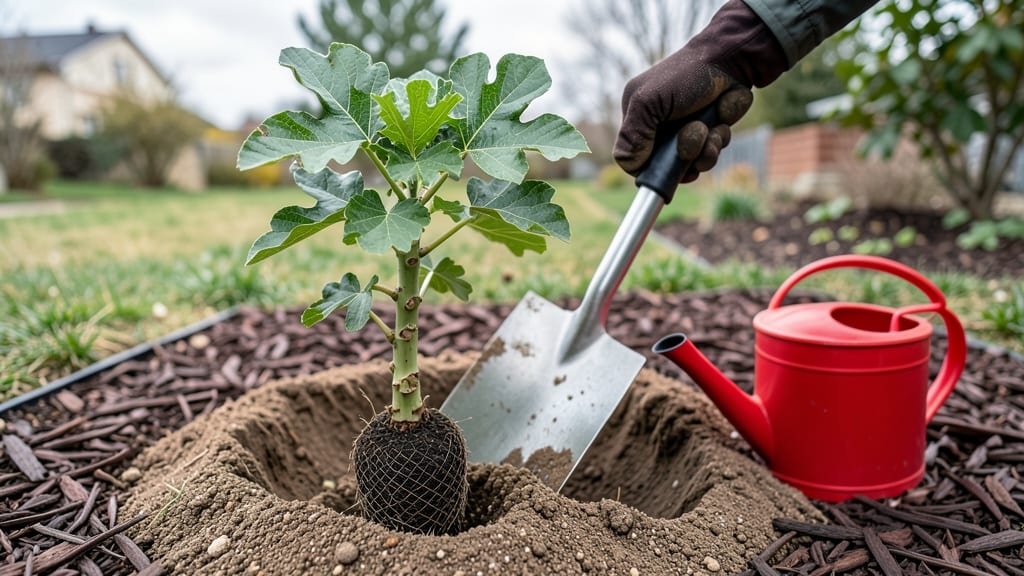
If you've ever dreamed of plucking ripe, sun-kissed figs straight from your Georgia backyard, timing your 🍈 fig tree planting is the game-changer between success and disappointment.
Georgia's warm climate gives you two prime windows—late winter or early fall—but getting it wrong means frost damage or stunted growth that could cost you years of harvests.
I've spent years growing figs in 7b-8b zones, and the difference between a thriving tree and a struggling one often comes down to those exact planting months.
Whether you're in the Piedmont's rolling hills or near the coast's milder air, knowing when to put your fig tree in the ground ensures it establishes strong roots before summer's heat or winter's chill arrives.
You'll discover how to read your local microclimate, choose between bare-root and container plants, and prepare soil that keeps your fig tree happy from day one. Let's dive into the exact months that'll give you the sweetest, most productive harvests Georgia has to offer.
From frost-free zones to soil temperature secrets, I'll walk you through everything you need to know to plant your fig tree at the perfect time—so you can enjoy homegrown figs for years to come without the guesswork.
Best planting months for fig trees in Georgia: frost-free zones explained
Georgia’s diverse climate zones mean your fig tree planting window depends on where you live. Coastal areas like Savannah enjoy warmer microclimates, while the Piedmont region around Atlanta faces slightly cooler nights.
Even the mountain areas like Blue Ridge have unique frost patterns. Let’s break down the exact months to plant for each zone to ensure your tree thrives.
The University of Georgia Extension confirms fig trees (Ficus carica) thrive in USDA Zones 7b-9a, but timing is critical. Plant too early, and frost will damage tender roots. Plant too late, and your tree won’t establish before winter dormancy.
The sweet spot is when soil temperatures stay above 60°F consistently—typically late February to early March or September to October.
Pro Tip: Use the backyard soil thermometer to confirm temps before planting. Stick it 6 inches deep in the ground for 3 consecutive days above 60°F—that’s your green light. Coastal Georgia gardeners can start as early as February 15th, while mountain regions should wait until April 1st or later.
| Georgia Region | Last Frost Date | Ideal Planting Window | Soil Temp Requirement | Microclimate Tip |
|---|---|---|---|---|
| Coastal (Savannah, Brunswick) | Mid-February | Late February - Early March | 60°F+ for 3+ days | Protect from salt spray if near coast |
| Piedmont (Atlanta, Macon) | Mid-March | Early April - Late April | 65°F+ for 3+ days | Use black plastic mulch to warm soil faster |
| Mountain (Blue Ridge, Dahlonega) | Late April | May - Early June | 70°F+ for 5+ days | Choose cold-hardy varieties like 'Celeste' |
| All Regions (Fall Option) | Mid-November | September - October | 60°F+ soil temp | Plant 6-8 weeks before first frost |
Fall planting (September-October) is my top recommendation for most Georgia gardeners. Why? Your fig tree gets 6-8 weeks of root growth before winter dormancy, giving it a head start in spring.
Plus, cooler fall temps reduce transplant shock compared to summer heat. Just avoid planting after October 15th—roots won’t establish before frost hits.
For container-grown fig trees, you’ve got more flexibility. These can handle slightly cooler soils and even light frosts if potted in black plastic containers. I’ve seen gardeners in Zone 7a (like Gainesville) plant container figs as late as April 15th with success.
The key is burying the container 2-3 inches deep to insulate roots.
Warning: Never plant fig trees in swampy soil or areas with poor drainage. Root rot is a silent killer. Amend clay soil with compost and sand to improve drainage. In sandy soils (common in coastal GA), add organic matter like peat moss to retain moisture. A simple percolation test—dig a hole, fill with water, and time how long it drains—will tell you if your soil is safe for figs.
One common mistake I see? Planting fig trees in full shade. These trees crave sunlight—6-8 hours daily minimum. Even in Piedmont’s partial shade, figs produce 50% fewer fruits.
Scout your yard before planting: South-facing walls or open sunny spots are ideal. If your yard lacks full sun, consider dwarf varieties like 'Little Miss Figgy' for containers near sunny patios.
Ready to plant? Mark your calendar for September 1st—that’s when I start prepping my Georgia Piedmont garden. Use a shovel and compost to amend soil, then plant your fig tree 2-3 feet deep (yes, deeper than you think!).
Water deeply immediately after planting to eliminate air pockets around roots. Within 4-6 weeks, you’ll see new growth—proof your timing
How to choose between bare-root vs. container-grown fig trees for Georgia planting
Georgia’s fig tree varieties thrive best when planted with the right method—bare-root or container-grown—and each option has distinct advantages for our warm climate. I’ve grown both and found that container-grown trees often establish faster in Georgia’s heat, while bare-root options can be more budget-friendly.
Your choice depends on your planting timeline, budget, and local microclimate.
For coastal Georgia (Zone 8a), container-grown figs are my top recommendation because they’re already root-bound and adapt quickly to well-draining soil. In Piedmont areas (Zone 7b), bare-root trees planted in early spring (March) can outperform potted ones if you’re patient with root establishment.
Let’s break down the pros and cons so you can decide which method aligns with your Georgia garden goals.
Bare-Root vs. Container-Grown Fig Trees: Georgia-Specific Comparison
| Factor | Bare-Root | Container-Grown |
|---|---|---|
| Best Planting Window | Late Winter (Feb-Mar) | Spring-Fall (Mar-Nov) |
| Root Establishment Time | 6-8 weeks | 2-4 weeks |
| First-Year Yield | Moderate (small figs) | High (larger fruit) |
| Cost | $20-$40 | $40-$80 |
| Transplant Shock Risk | High | Low |
| Georgia-Specific Tip | Soak roots 1 hour before planting | Remove container; score roots |
If you’re planting in North Georgia mountains (Zone 7a), opt for container-grown figs and plant them in late spring (May) to avoid late frost damage.
The extra cost pays off with faster fruit production—my Celeste fig tree in a container bore fruit just 6 months after planting, while a bare-root Brown Turkey took nearly a year.
For bare-root figs, always plant them before bud break (early March) to minimize stress. Soak the roots for 1 hour in water before planting, then amend your clay-heavy Georgia soil with compost or sand to improve drainage.
I’ve seen bare-root trees struggle in heavy clay unless I take this extra step.
Container-grown figs let you plant year-round in Georgia (except during peak summer heat), but always score the roots with a knife before transplanting. This encourages new root growth and reduces transplant shock.
I’ve had the best luck with 5-gallon container figs—small enough to handle but with established roots for quick adaptation.
Pro tip: If you’re unsure, ask your local Georgia nursery for container-grown figs labeled “field-grown” (not greenhouse-grown). These trees are hardier and adapt better to our humid summers.
For bare-root options, choose dwarf varieties like Little Miss Figgy—they’re easier to manage and produce fruit faster in Georgia’s short growing season.