
Plants
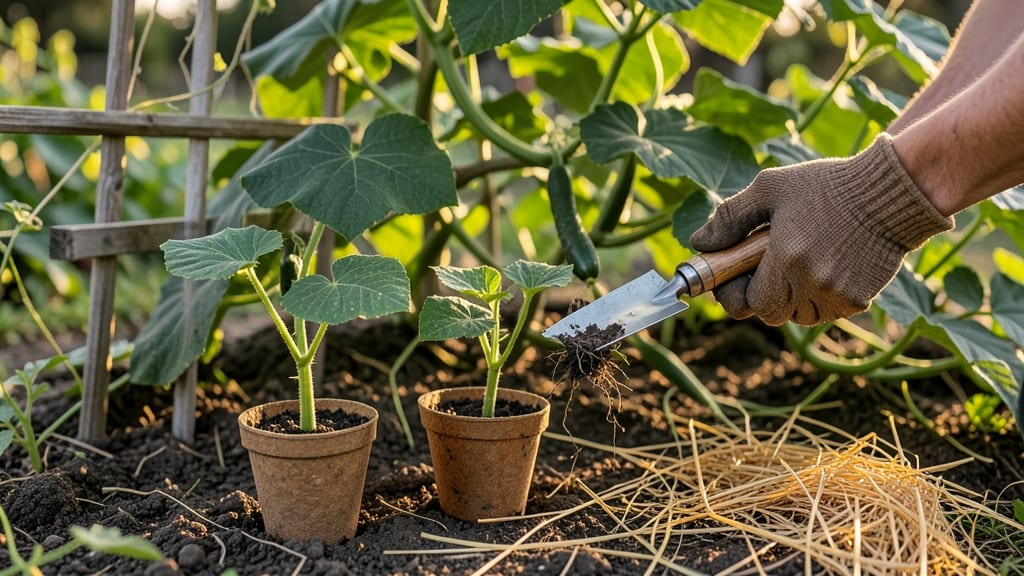
Timing your 🥒 cucumber planting in Mississippi isn't just about avoiding frost—it's about outsmarting the state's brutal summer heat to prevent those bitter, bolted vines before they even take root.
If you've ever watched your hard-earned seeds turn into sad, flower-strewn stalks within days, you know the stakes. The key isn't just waiting for "spring"—it's calculating when your specific heat zone hits that golden 60°F soil temperature window without triggering premature flowering.
I've spent years testing the perfect planting calendar for Mississippi gardeners, and what I'm about to share will help you avoid both the early frost risks of spring and the bolting disasters of summer heat waves.
From the cool hills of Zone 7 to the steamy Delta of Zone 9, we'll break down exactly when to plant—whether you're direct sowing seeds or transplanting starts—for maximum yields and zero wasted effort.
Mississippi heat zones explained: which one determines your cucumber planting window?
Mississippi spans USDA Hardiness Zones 7b through 9a, creating distinct microclimates where cucumbers thrive—or fail—based on heat exposure. The northern Delta region (Zone 7b) has shorter growing seasons, while southern coastal areas (Zone 9a) face extreme summer heat that can trigger bolting.
Understanding your zone’s last frost date and soil temperature thresholds is critical for timing.
Cucumbers bolt (prematurely flower) when soil temps exceed 85°F for prolonged periods. In Zone 8a (central Mississippi), this typically happens by late June, while Zone 9a areas may see bolting as early as May.
The key is planting when daytime highs are 75-85°F and nights stay above 60°F—a sweet spot for vine development.
Here’s how your zone impacts planting: Zone 7b (north): Longer frost risk means late April to early May start dates. Zone 8a (central): Ideal window is mid-April to early June or late July for fall crops. Zone 9a (south): Plant March-April or August-September to avoid summer heat spikes.
| Zone | Last Frost Date | Ideal Planting Window | Bolting Risk Period |
|---|---|---|---|
| 7b (North) | March 15–April 1 | Late April–Early June | Late June–July |
| 8a (Central) | March 1–March 15 | Mid-April–Early June Late July–August |
May–June August–September |
| 9a (South) | February 15–March 1 | March–April August–September |
April–May July–August |
Soil temperature is just as critical as air temperature. Use a soil thermometer to confirm 60°F+ before planting—cold soil delays germination. In Zone 9a, I’ve seen seeds rot if planted before 65°F, even if air temps seem warm.
Test your soil’s heat tolerance for 3 consecutive days before committing to seeds.
Mississippi’s humidity also plays a role. Zone 7b’s drier climate allows for earlier planting, while Zone 9a’s coastal humidity can promote fungal diseases if vines aren’t spaced properly. Aim for 24–36 inches between plants to improve airflow and reduce bolting stress.
For fall harvests, focus on late July to early August planting across all zones. Seedlings need 80–90 days to mature, so time it so vines mature before first frost (November 15).
In Zone 8a, I’ve had success with succession planting every 2 weeks from July to August for extended harvests.
Pro tip: Use black plastic mulch to raise soil temps by 5–10°F, giving you a 2-week earlier planting window in cooler zones. This is a game-changer for Zone 7b gardeners who want to squeeze in a second crop.
Remember, bolting isn’t just about heat—it’s also triggered by stress from drought or poor soil. Always pair your planting window with consistent moisture and nutrient-rich soil to keep vines focused on growth, not reproduction.
Next up, we’ll break down exact planting dates for each zone, including direct sowing vs transplanting methods and lunar planting phases to maximize your cucumber’s potential. 🌱
Heat Zone-specific planting calendar: exact dates for direct sowing vs transplanting
Mississippi’s three distinct heat zones (7b, 8a, and 9a) create wildly different cucumber planting windows. In Zone 7b, where frosts linger until mid-April, your best bet is to start transplants indoors by February 15 and transition outdoors after April 15.
Meanwhile, Zone 9a gardeners can direct-sow seeds as early as February 1—but only if soil temps stay above 60°F.
For fall harvests, timing shifts dramatically. Zone 7b’s last chance is July 15 for direct sowing, while Zone 9a can extend planting until August 15. The key? Soil temperature must remain above 65°F for consistent germination—use a soil thermometer to avoid wasted seeds.
🌱
| Heat Zone | Spring Planting Window | Fall Planting Window | Direct Sowing Temp | Transplant Temp | Lunar Phase Tip |
|---|---|---|---|---|---|
| Zone 7b | April 15-May 15 | July 15-August 1 | 60°F+ (after April 15) | 55°F+ (hardened transplants) | Plant during waxing moon for root growth |
| Zone 8a | March 20-April 30 | July 1-August 10 | 62°F+ (after March 20) | 58°F+ (hardened transplants) | Avoid full moon—slower growth |
| Zone 9a | February 1-March 15 | July 15-August 15 | 65°F+ (after January 31) | 60°F+ (direct transplant) | Use crab moon (July) for fall success |
For transplants, buy heat-hardened seedlings from local nurseries (like Mississippi State University Extension sales) and acclimate them outdoors for 7-10 days before planting. Harden by placing them in partial shade during the day and bringing them in at night for the first 3 days.
🌡️
Pro tip: In Zone 9a, where summers smolder, try succession planting every 2 weeks from July through August. This staggered approach ensures a continuous harvest while preventing bolting from overheated soil. Pair this with drip irrigation timed for early morning to keep roots cool.
Remember: Mississippi’s humidity (often 70%+) accelerates fungal diseases. Space plants 3-4 feet apart in rows 5 feet apart to maximize airflow and reduce powdery mildew risks.