
Plants
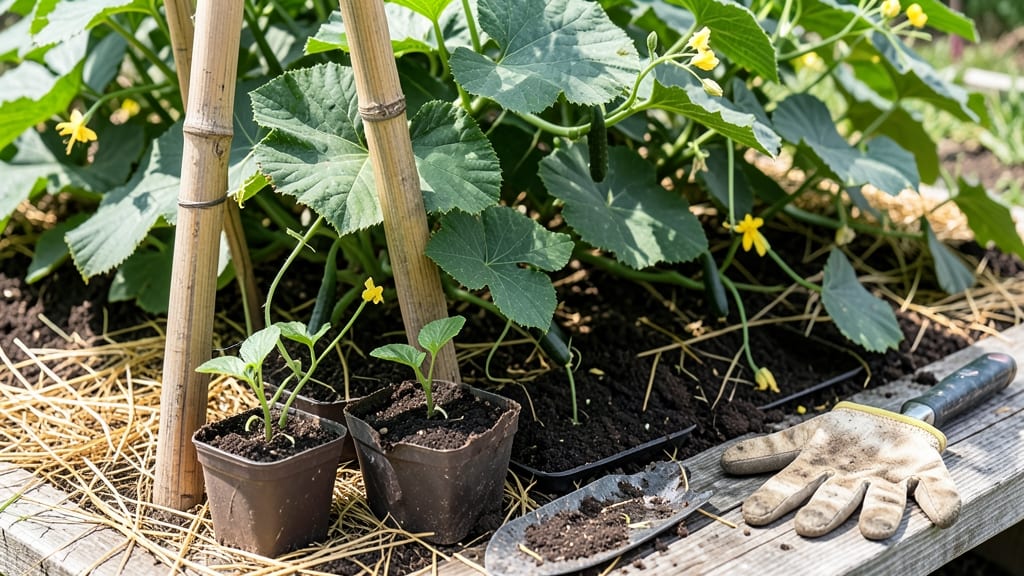
Timing your 🥒 cucumber planting in Chicago isn’t just about waiting for spring—it’s about outsmarting the city’s famously fickle weather. Plant too early, and a late frost will turn your tender seedlings into sad, wilted memories.
Too late, and you’ll miss the sweet spot for a summer harvest before the heat sets in.
Most gardeners here learn the hard way: the last frost date around April 15 is just the starting line. The real game-changer is soil temperature—your cucumbers need it to hit 60°F or warmer before they’ll even think about sprouting.
That’s why I’ve cracked the code on the best windows: mid-April to mid-June for spring plantings, or late July for a fall harvest that’ll keep you picking until October.
But here’s the secret Chicago gardeners don’t always know: your planting strategy changes based on whether you’re growing in containers or in the ground. Containers warm up faster, so they’re your best bet for beating the 5b-6a zone’s short season.
Meanwhile, in-ground plantings need black plastic mulch to give that soil a jumpstart—trust me, it’s worth the effort.
Ready to stop guessing and start growing? I’ll walk you through the exact steps to time your plantings like a pro, plus the best varieties that actually thrive here. Let’s turn your cucumber dreams into a reality—no more wasted seeds or disappointed vines.
Chicago’s cucumber planting timeline: frost dates and soil warmth secrets
Chicago’s last frost date typically falls between April 15 and May 15, but don’t let that fool you—cucumbers are heat-loving plants that need soil temperatures of 60°F+ to thrive. Planting too early can lead to stunted growth or even death, while waiting too long might cut your harvest short.
The key is balancing frost risk with soil warmth, especially in Chicago’s USDA Zone 5b-6a.
For direct sowing outdoors, aim for late May to early June when nighttime temperatures consistently stay above 50°F. If you’re using black plastic mulch, you can plant 2-3 weeks earlier since it warms the soil faster.
I’ve had great success with ‘Straight Eight’ cucumbers planted around May 20th—just in time for a summer harvest before the first frost hits in mid-October.
Here’s the golden rule: Wait until you’ve had 5 consecutive days of 60°F+ soil temps (check with a soil thermometer) and no frost warnings for at least a week.
Chicago’s unpredictable spring means you might need to adjust your timeline—always be ready to cover young plants if a late frost sneaks up.
🥒 Chicago Cucumber Planting Timeline
| Stage | Action | Notes |
|---|---|---|
| Late April | Start seeds indoors (6-8 weeks before last frost) | Use grow lights; keep soil at 70°F |
| Mid-May | Hardening off seedlings | Acclimate for 7-10 days before transplanting |
| Late May - Early June | Transplant seedlings or direct sow | Soil temp must be 60°F+; use row covers if needed |
| June - August | Harvest regularly | Pick every 2-3 days to encourage more fruit |
| Late July - Early August | Succession planting | For fall harvest; use fast-maturing varieties |
✅ Pro Tip: Use a soil thermometer to confirm readiness—cucumbers won’t germinate below 55°F.
Chicago’s short growing season (about 165 frost-free days) means you’ll need to act fast. If you’re planting ‘Lemon Cucumber’ or other heat-sensitive varieties, start seeds indoors by late April and transplant after the last frost.
I’ve also had luck with container growing on patios or balconies—just ensure the pot is at least 12 inches deep and moves with the sun.
For fall harvests, aim for a late July planting using fast-maturing varieties like ‘Bush Champion’ (ready in 50 days). This gives you a second chance at cucumbers before the first frost in mid-October.
Always monitor your local Chicago National Weather Service for extended forecasts—late summer heatwaves can push your harvest window even later.
One common mistake I see is planting cucumbers too close to fences or buildings, which can block sunlight. Cucumbers need 6-8 hours of full sun daily, so choose a south-facing spot with room to sprawl (or trellis if space is tight).
In Chicago’s clay-heavy soil, amend with compost or aged manure to improve drainage—waterlogged roots are a recipe for disease.
If you’re new to cucumber growing, start with 1-2 plants to test your timing. Keep a planting journal to track soil temps, frost dates, and harvest times—this will help you refine your approach for next year.
Remember, patience is key: Rushing cucumbers into cold soil is like trying to run a marathon in flip-flops—it’s just not going to end well.
For extra insurance, plant companion crops like radishes or lettuce nearby—they’ll be ready to harvest before cucumbers take over the space. And if you’re worried about squash vine borers (a common Chicago pest), cover young plants with row fabric until they’re established.
With the right timing and a little preparation, you’ll be enjoying crisp, homegrown cucumbers straight from your Chicago garden!
How to extend Chicago’s cucumber growing season: cold frames, row covers, and succession planting
Chicago’s short growing season can feel like a race against time for cucumbers, but with the right tricks, you can stretch harvests from early summer all the way into fall. The key? Protecting young plants from late frosts and extending warmth into cooler months.
I’ve found that combining floating row covers with succession planting adds 4-6 extra weeks of production—enough to enjoy fresh cucumbers well past Labor Day.
Start by planting your first batch of seeds indoors 3-4 weeks before your last frost date (around April 15). Use biodegradable pots so you can transplant seedlings without disturbing roots.
For outdoor planting, wait until soil temperatures hit 60°F (usually mid-May), but use black plastic mulch to warm the soil faster—this gives you a 2-week head start on the season.
- Floating Row Covers: Add 4-6 weeks of protection. Secure covers with bricks or hoops to prevent collapse during wind. Remove during pollination for bees to access flowers.
- DIY Cold Frames: Use clear plastic lids over wooden frames (3-4 ft tall). Trap heat during the day and insulate at night—ideal for late July plantings to harvest in October.
- Succession Planting: Sow seeds every 2 weeks from mid-May to early July. Space plantings to ensure a continuous harvest until frost.
Don’t overlook companion planting—pair cucumbers with bush beans or radishes to maximize space and improve soil health. Beans fix nitrogen, while radishes act as trap crops for pests.
For trellised varieties like ‘Straight Eight’, use galvanized wire cages to save space and improve airflow, reducing fungal diseases like powdery mildew.
Timing your second planting is critical. Aim for late July when soil is still warm but nights are cooling. Use heat-loving varieties like ‘Tyria’ or ‘Marketmore 76’, which mature in 50-55 days.
If you’re using row covers, remove them during daylight hours to prevent overheating—cucumbers wilt quickly in temperatures above 90°F.
Watch for late-season pests like cucumber beetles and spider mites. Apply neem oil preventatively in August, and mulch heavily with straw to retain moisture as rainfall decreases.
Even in Chicago’s Zone 5b, a well-planned fall garden can yield cucumbers until mid-October—just don’t wait until October 15 (average first frost) to plant your last batch.
Pro tip: Harvest aggressively in fall to encourage new fruit. Overripe cucumbers on the vine signal the plant to focus on seeds, ending production. Store extras in a cool, dark place (like a basement) for up to 2 weeks, or pickle them for long-term preservation.