
Plants
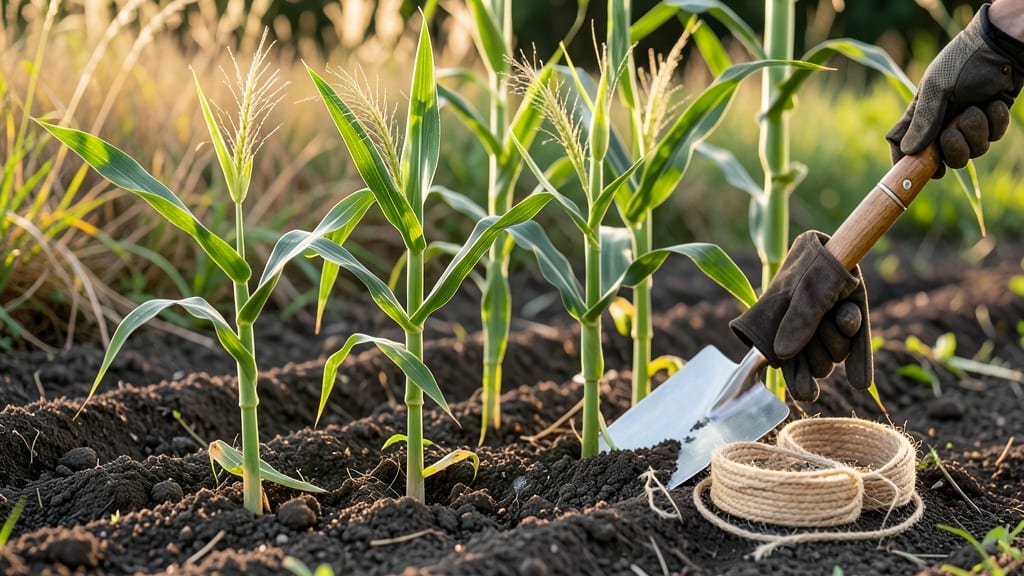
If you’ve ever stared at your garden calendar wondering when to plant corn in CT, you’re not alone—getting the timing right is the difference between a bumper crop of sweet 🌽 and a sad, frost-nibbled disappointment.
Connecticut’s USDA Zone 6b climate means corn has a narrow window to thrive, and planting too early risks frost damage, while waiting too late cuts harvest season short.
The key? Starting seeds after the last frost date (mid-April to mid-May) and when soil warms to at least 60°F—a sweet spot that balances risk and reward.
I’ll break down the exact frost-free timeline, variety-specific tips, and pro tricks to stretch your growing season—so you can enjoy homegrown corn from late July right through October. Let’s make sure your next harvest is the best yet.
Whether you’re a first-time gardener or a seasoned pro, these insights will help you avoid common mistakes and maximize your yield. Ready to grow like a local? Let’s get started.
Optimal corn planting dates in Connecticut’s USDA Zone 6b
In Connecticut’s USDA Zone 6b, corn thrives when planted after the average last frost date, typically between May 10–20. However, you can start sowing seeds indoors or use frost cloth to plant as early as April 20 if your soil warms quickly.
The key is waiting for soil temperatures to reach at least 60°F—corn seeds won’t germinate in cold soil.
For most sweet corn varieties, aim to plant between April 20 and May 10. This window ensures your corn matures before Connecticut’s first fall frost, usually around October 15.
Early varieties (70–85 days to maturity) give you the most flexibility, while late varieties (110+ days) risk running out of growing time.
Use a soil thermometer to check temperatures—corn seeds need consistent warmth to sprout. If your soil is still cool in early May, hold off until late May to avoid stunted growth. Popcorn and field corn varieties can tolerate slightly cooler soils but still prefer 60°F+ for best results.
| Planting Stage | Optimal Timeframe | Key Conditions |
|---|---|---|
| Start Indoors (Optional) | Late March–April 15 | Use frost cloth; transplant after last frost |
| Direct Sowing (Early) | April 20–May 1 | Soil temp ≥60°F; use black plastic mulch |
| Direct Sowing (Standard) | May 10–20 | Average last frost passed; full sun |
| Succession Planting | June 1–15 (for late varieties) | Harvest before first frost (Oct 15) |
If you’re growing heirloom or late-maturing varieties, consider planting in blocks every 2 weeks from late April through early June. This succession planting strategy ensures a continuous harvest and reduces the risk of losing your entire crop to late-season frost or pests.
For example, plant one block on April 25, another on May 10, and a final block on May 25 to stagger maturity.
Another pro tip: Use black plastic mulch to warm the soil faster and extend your planting window by 1–2 weeks. Simply lay the mulch down 1–2 weeks before planting and cut small holes for the seeds.
This method also suppresses weeds and retains moisture, giving your corn a head start in Connecticut’s cool, damp springs.
For container gardening, start seeds indoors in late March using biodegradable pots and transplant after the last frost. Choose dwarf varieties like ‘Sweet Baby’ (3–5 ft tall) to save space. Containers dry out faster, so monitor soil moisture closely and water daily in hot weather.
Remember, corn needs space—plant seeds 1 inch deep and 4–6 inches apart in blocks (not rows) to improve pollination. Thin seedlings to 12 inches apart once they’re 6 inches tall. This spacing also makes it easier to spot and remove weeds, which compete for nutrients.
Finally, keep an eye on your local frost forecast. While the average last frost in CT is May 15, unpredictable weather can push it to May 30. Use a frost calendar or set up a frost alarm to protect tender seedlings if late frosts threaten.
With the right timing, you’ll enjoy homegrown corn from late July through September!
How to adjust planting for early vs late varieties of corn
Choosing the right corn variety for Connecticut’s short growing season means balancing maturity timing with frost risk. Early varieties (70–85 days) like 'Early Sunglow' mature quickly but yield smaller ears, while late varieties (110+ days) like 'Country Gentleman' produce larger ears but need extra protection.
Your planting window shifts dramatically based on these choices.
For early-maturing corn, you can plant as early as mid-April (when soil hits 55°F) and still harvest before fall frost. These varieties thrive in cool spring soil and tolerate light frosts better than later types.
However, yields are typically 20–30% smaller per ear, so plant more seeds if you want quantity.
Mid-season varieties (90–105 days) like 'Silver Queen' require warmer soil (60°F+), so wait until late April to early May. These strike a balance between yield and timing, making them the safest bet for Connecticut gardeners.
Late varieties need full summer heat and should only be planted by May 10—any later risks immature harvests before frost.
| Variety Type | Days to Maturity | Optimal Planting Window | Frost Risk | Yield Notes |
|---|---|---|---|---|
| Early (70–85 days) | 70–85 | Mid-April to early May | Low (harvests by August) | Smaller ears (1–2 per stalk) |
| Mid-season (90–105 days) | 90–105 | Late April to mid-May | Moderate (harvests late August–September) | Standard yield (2–4 ears per stalk) |
| Late (110+ days) | 110+ | By May 10 (soil 60°F+) | High (harvests October) | Largest ears (3–5 per stalk) |
If you’re growing late varieties, extend your season with row covers or plant near heat-retaining structures like black plastic mulch. For early varieties, focus on succession planting every 2 weeks to stagger harvests.
My personal recommendation? Try a mix of mid-season and early varieties—this gives you both quantity and quality while minimizing frost risk.
Pro tip: Check your local frost dates (CT’s average first frost is October 15), then count backward from your variety’s maturity. For example, a 90-day corn needs to be planted by July 15 to avoid frost damage. Use this reverse calculation to tweak your planting schedule each year.
Remember, soil temperature matters more than air temperature. Use a soil thermometer to confirm 60°F+ before planting—cold soil delays germination and stresses young plants. For extra insurance, try warm-season covers or plant near south-facing fences to trap heat.