
Plants
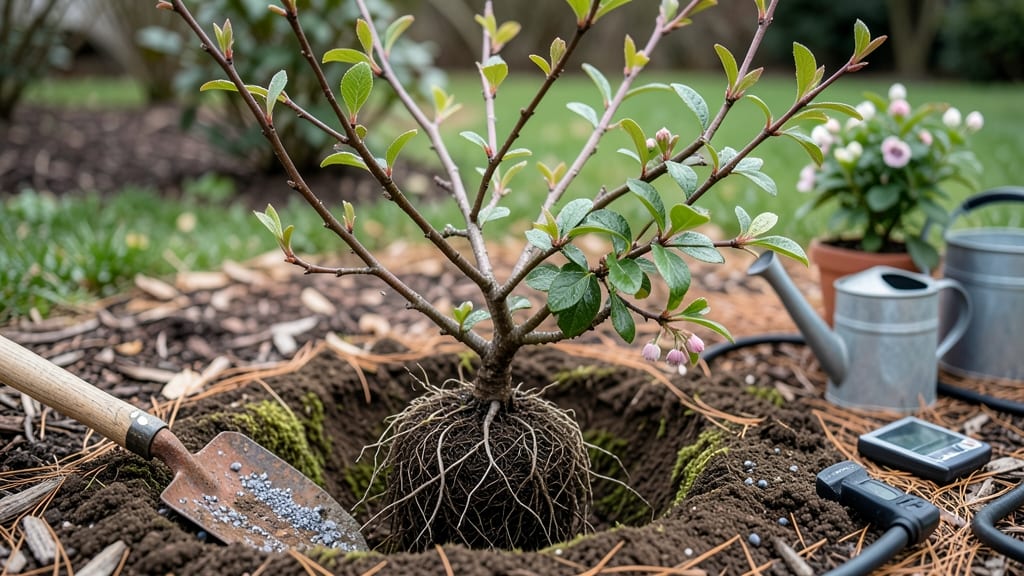
If you're dreaming of a backyard bursting with juicy 🫐 blueberries but timing your planting wrong in Zone 6, you could end up with a struggling bush that never quite thrives.
The difference between a flourishing blueberry plant and one that fights for survival often comes down to when you put it in the ground—and the science behind it.
Zone 6 gardeners know the stakes: plant too early, and frost can damage tender roots; too late, and your blueberry might not establish strong roots before winter sets in.
The ideal window for planting these acid-loving shrubs is narrow, and missing it could mean years of disappointment instead of sweet rewards.
I’ve tested the best strategies for planting blueberries in Zone 6—whether you’re working with bare-root plants or container-grown bushes—and the timing makes all the difference. From soil temperature cues to frost risk factors, I’ll break down exactly when to plant for maximum survival and future harvests.
Ready to set your blueberries up for success? Let’s dive into the exact timing, soil prep secrets, and pro tips that’ll help your bushes grow strong enough to produce berries for years to come.
Optimal planting months for blueberries in Zone 6: why timing matters
Blueberries thrive when planted during Zone 6’s frost-free window, but timing is everything. In this region, the ideal planting months are April and May for bare-root plants or September and early October for container-grown varieties.
These windows give roots time to establish before winter’s first frost—typically around mid-October—while avoiding late-season heat stress.
Why does timing matter so much? Blueberries are sensitive to soil temperature and frost damage. Planting too early exposes young roots to late frosts (common in Zone 6 until mid-April), while planting too late risks insufficient root growth before winter dormancy.
Let’s break down the science behind these windows to ensure your blueberries get off to the best start.
| Planting Window | Soil Temp Threshold | Frost Risk | Root Establishment Goal |
|---|---|---|---|
| Early Spring (April–May) | 45–55°F (7–13°C) | Low (post-last frost) | 6–8 weeks before winter |
| Early Fall (September–Oct 5) | 50–60°F (10–16°C) | None (before first frost) | 4–6 weeks before dormancy |
For bare-root blueberries, spring planting is ideal because the roots are dormant and resilient to cold snaps. Container-grown plants, however, can handle early fall planting since their roots are already established in soil.
If you miss these windows, late fall planting (November) is risky but possible if you use mulch heavily to insulate roots.
Zone 6’s microclimates can shift planting windows by 1–2 weeks. For example, southern Zone 6b (warmer) may safely plant through early May, while northern Zone 6a (cooler) should aim for April’s last week.
Check your local USDA frost map or use a soil thermometer (aim for 50°F+) to confirm readiness.
Container-grown blueberries offer flexibility but require soil prep 2–3 weeks before transplanting. Amend the planting hole with peat moss or sulfur to lower pH to 4.5–5.5, and water deeply 3 days before moving to reduce transplant shock.
This extra prep time is why fall planting works—you can adjust soil conditions without rushing.
One critical mistake is planting too late in fall, leaving roots vulnerable to freeze-thaw cycles. If you plant after October 15, prioritize deep mulching (4–6 inches) with straw or pine needles to protect roots.
In spring, avoid planting before April 1 unless you’re in a warmer microclimate—early planting risks frost damage to tender new growth.
Blueberries planted at the right time in Zone 6 can produce fruit in 2–3 years, but timing is only half the battle. The next step? Site selection and soil prep—both critical for long-term success.
A sunny, sheltered spot with well-draining, acidic soil sets the stage for a high-yielding bush.
Pro tip: If you’re container growing, you can plant 1–2 weeks earlier than in-ground plants since pots warm up faster. Just ensure containers have drainage holes and use a lightweight potting mix with sphagnum peat to maintain acidity.
Remember, Zone 6’s short growing season demands precision. By planting in April–May or September–early October, you’ll give your blueberries the best chance to thrive—whether you’re growing Northern Highbush varieties or dwarf bushes for containers. The payoff? Juicy, homegrown blueberries for years to come!
Optimal planting months for blueberries in Zone 6: why timing matters
In Zone 6, timing your blueberry planting correctly ensures strong root establishment before winter. The ideal window is late April to early May for bare-root plants or September to early October for container-grown bushes—both timings align with soil warming and frost risk reduction.
Blueberries need 4-6 weeks before the last frost date (around April 15 in Zone 6) to establish roots. Planting too early risks frost damage, while late planting may leave roots vulnerable before winter dormancy.
| Planting Window | Soil Temperature | Key Consideration |
|---|---|---|
| Late April–Early May | 50–60°F | Bare-root plants need moist soil for root growth. |
| September–Early October | 60–70°F | Container plants establish roots before winter chill. |
Container-grown blueberries adapt better to fall planting because their roots stay intact. For bare-root plants, spring planting is critical—they need 4-6 weeks to harden off before winter. Avoid planting in June or July, as high temperatures stress young roots.
Zone 6’s first frost (around October 15) signals the end of the planting window. If you miss spring, aim for early September to give roots time to establish before cold sets in. Always check your local last frost date for precision.
Regional variations matter: Northern Zone 6 (6a) has earlier frosts, so plant 2 weeks earlier than Southern Zone 6 (6b). For container planting, the window extends slightly later, but soil temps must stay above 50°F for root growth.
Pro tip: Use a soil thermometer to confirm temps before planting. Aim for 50–60°F for spring and 60–70°F for fall—this ensures roots grow actively without stress. 🌱