
Plants
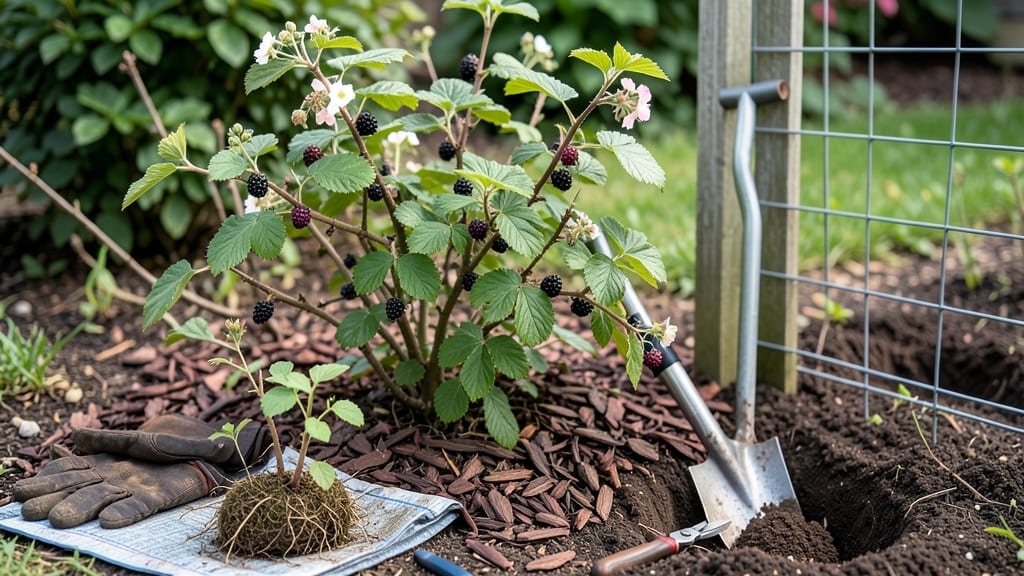
If you're dreaming of juicy 🫐 blackberries but planting at the wrong time in Arkansas, you might end up with wilted canes instead of a bountiful harvest. The key to success lies in understanding Arkansas's unique climate—where last frost dates and soil temperatures can make or break your blackberry bushes.
For Arkansas gardeners in zones 7a-8b, the ideal window to plant blackberries is late winter to early spring (February-March) or fall (September-October). This timing helps canes establish strong roots before extreme heat or cold sets in, giving you healthier plants and bigger yields.
But here's the catch: planting too early risks frost damage, while waiting too late might leave your blackberries struggling to mature before winter. I'll break down the best months, soil prep tips, and how to avoid common mistakes so your blackberries thrive from the first season.
Ready to turn your backyard into a blackberry patch? Let's dive into the exact steps to get your canes off to the best possible start—because in Arkansas, timing really is everything for these sweet, thorny treats.
Best Arkansas months to plant blackberries: climate zones & variety impact
Arkansas’s USDA zones 7a-8b create a 190-day frost-free season, giving blackberries a perfect growing window—but timing matters. Plant too early, and spring frosts (common until March 15) will damage tender canes.
Plant too late, and roots won’t establish before winter. My ideal months are September-October for fall planting or February-March for spring, depending on your variety.
Northern Arkansas (zones 7a-7b) has cooler microclimates, so fall planting in September gives roots time to harden before winter.
Southern Arkansas (zones 8a-8b) can extend planting into early November, but avoid late fall if first frosts arrive early. Early varieties like 'Ouachita' thrive in cooler zones, while 'Natchez' handles Arkansas’s heat better.
Here’s how Arkansas’s climate zones and berry varieties influence your planting schedule:
For fall planting, aim to get canes in the ground 6-8 weeks before first frost.
In Arkansas, that’s typically by October 15 in northern zones and November 1 in the south. Spring planting should wait until soil temps rise above 40°F (usually mid-March), but don’t delay past April 15 or you’ll miss the first harvest window.
Soil prep is 50% of success. Arkansas’s clay-heavy soils drain poorly, so amend with 2-3 inches of compost and sand to improve aeration. Test your soil’s pH (5.5-6.5 ideal)—blackberries hate alkaline soil. If your yard’s pH is off, add sulfur or peat moss before planting.
Choose a sunny, sheltered spot with 6+ hours of sunlight. Blackberries need support structures (trellises or wires) to train canes upward—this also makes harvesting easier and reduces disease spread.
In Arkansas’s humid climate, spread mulch (straw or pine needles) to keep berries off damp soil and deter raccoons.
Pro tip: Soak bare-root canes in water for 2-4 hours before planting to reduce transplant shock. Arkansas’s summer heat can stress new plants, so water deeply 2-3 times weekly until established (about 6-8 weeks
If you miss the ideal window, don’t panic. Container planting extends your season—just use large pots (15+ gallons) and move them to a garage or shed during hard freezes. For ground planting, row covers can protect spring plantings from late frosts. 🌱
Best Arkansas months to plant blackberries: climate zones & variety impact
Arkansas’s USDA zones 7a-8b create a unique window for blackberry planting, where late winter to early spring and fall offer ideal conditions. The key is avoiding spring frost risks (typically after March 15) while giving roots time to establish before winter.
For most Arkansas gardeners, September and October are the gold standard—but variety matters!
Native Arkansas varieties like 'Ouachita' and 'Natchez' thrive when planted in early fall, allowing roots to develop before cold sets in. Meanwhile, thornless varieties (like 'Chester') need that late winter window (February-March) to jumpstart growth before pests wake up. The difference? Fall-planted canes fruit earlier the next season!
| Planting Window | Best Arkansas Months | Soil Prep | Frost Risk |
|---|---|---|---|
| Early Fall | September-October | Amend clay soil with compost | Low (established roots) |
| Late Winter | February-March | Test pH (5.5-6.5) | High (spring frost) |
| Spring (Risky) | April | Mulch heavily | Very High |
Northern Arkansas (zone 7a) gardeners should prioritize fall planting to avoid late frosts, while southern zones (8a-8b) can stretch into early November.
Pro tip: Plant bare-root canes (not potted) for better root establishment—Arkansas’s clay-heavy soil drains poorly when compacted. Always space canes 3-5 feet apart to prevent fungal spread.
For thornless varieties, add 1-2 inches of mulch after planting to retain moisture during Arkansas’s hot, dry summers. If planting in spring, use row covers until soil warms to 60°F (test with a soil thermometer).
The trade-off? Spring-planted canes may fruit 2 weeks later but require more summer care.
Local nurseries like Arkansas Cooperative Extension recommend 'Apache' for heat tolerance and 'Arapaho' for disease resistance—both perfect for Arkansas’s humid climate. Always check last frost dates (varies by county) before planting.
For example, Little Rock (zone 7b) has a March 15 average last frost, while Jonesboro (zone 7a) waits until April 1.
Remember: Fall planting gives roots 6-8 weeks to establish before winter, while spring planting risks pest infestations (like spider mites) as temperatures rise. My top pick? Plant September 15-October 15 for the sweet spot between frost risk and root growth. 🌱