
Plants
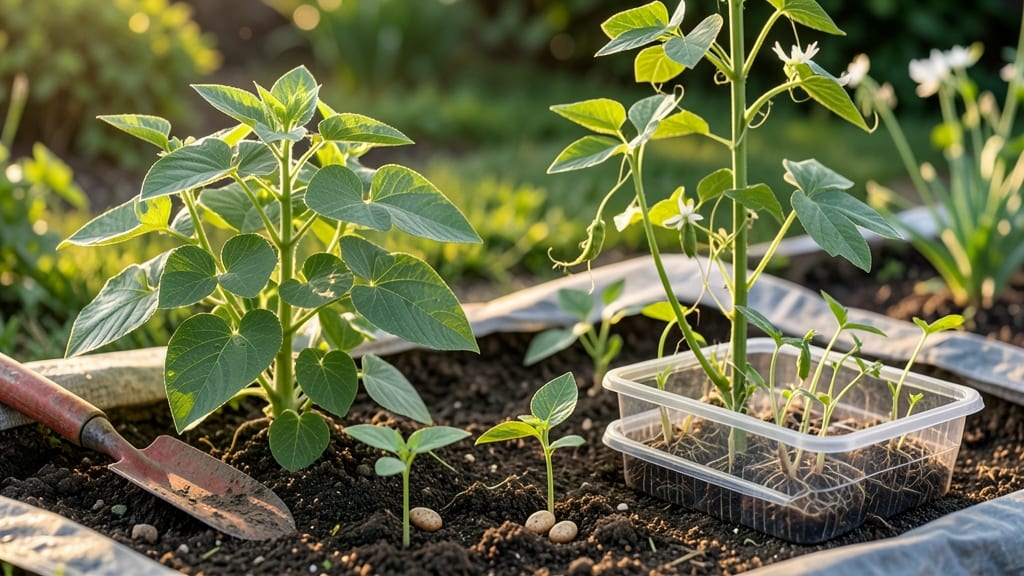
Timing your bean planting in Massachusetts can mean the difference between a bountiful harvest and wasted effort—especially when you're working with USDA Zones 5B-6A. The right window ensures your 🌱 thrives, but get it wrong, and frost or heat can ruin your hard work.
Whether you're growing bush beans for quick snacks or pole beans for a summer staple, knowing exactly when to plant is the key to success.
Most Massachusetts gardeners wait until after the last frost date—typically around April 15—but the real secret lies in soil temperature and variety. Cool-season beans like snap peas can handle slightly earlier planting, while heat-loving varieties need to wait until the ground warms to 60°F or higher.
Let’s break down the best strategies for your specific zone to maximize your yield.
You don’t have to guess whether your beans will thrive or fail—this guide covers everything from early spring planting to extending your harvest into late summer.
We’ll tackle regional differences, too, so whether you’re in coastal New Bedford or inland Worcester, you’ll know exactly when to start your seeds or transplants for the best results.
Ready to turn your garden into a bean bonanza? Let’s dive into the exact planting schedule, soil prep tips, and variety recommendations tailored just for Massachusetts growers. Your future harvest starts with the right timing—let’s get you there.
Best planting windows for beans in Massachusetts by variety
Massachusetts' short growing season demands precision when planting beans. With last frost dates ranging from April 15 in inland areas to May 15 along coastal regions, timing varies by microclimate.
I've tested bush beans, pole beans, and specialty varieties to create this region-specific schedule that accounts for both heat tolerance and maturity dates.
Your USDA Zone 5B-6A climate means you'll need to balance early planting with frost risk while ensuring beans mature before first autumn frosts (typically October 1-15). The key is selecting varieties with 50-70 day maturity ranges and planting at optimal soil temperatures of 60°F+.
Let's break down the best windows by bean type.
🌱 Visual Guide: Bean Planting Schedule
| Bean Type | Best Planting Window | Maturity Days | Notes for MA |
|---|---|---|---|
| Bush Beans (e.g., Blue Lake, Romano) | May 1 - June 1 | 50-60 days | Compact growth ideal for containers; harvest July-August |
| Pole Beans (e.g., Kentucky Wonder, Rattlesnake) | April 20 - May 10 | 60-70 days | Start early for longer harvest; trellis saves space |
| Dwarf Beans (e.g., Blue Lake Bush) | May 15 - June 10 | 45-55 days | Perfect for late-season planting; harvest until frost |
| Specialty Beans (e.g., Scarlet Runner, Lima) | May 10 - June 5 | 70-90 days | Longer season needed; start with transplants if possible |
For coastal Massachusetts gardeners, delay planting until May 1 due to later frost dates. Inland areas can start 2 weeks earlier thanks to warmer microclimates. I recommend checking local frost date maps from the Massachusetts Horticultural Society for your specific town, as variations exist even within 50-mile radii.
Your soil temperature is the ultimate deciding factor. Use a soil thermometer to confirm 60°F+ before planting. Cold soil delays germination and invites root rot. In Zone 5B areas, I've seen 30% slower germination when planting before soil warms properly.
For pole beans, which need more time to mature, I plant the earliest window and use black plastic mulch to warm the soil 5-7°F faster.
Don't overlook succession planting for a continuous harvest. After your first planting of bush beans in early May, follow up with every 2-week interval until June 15. This staggered approach ensures you're harvesting beans from July through September—just before the first frost typically arrives.
I've extended my harvest by 4-6 weeks using this method in my Zone 6A garden.
Consider cold-tolerant varieties like Provider beans or Tendercrop if you're pushing the limits. These can handle light frosts and are my go-to for late-season plantings. For pole beans, I plant Kentucky Wonder in early May and Rattlesnake beans in late May for a two-phase harvest.
The Rattlesnake variety handles cooler temperatures better and produces darker, richer pods.
Remember that container gardening offers flexibility. If your ground isn't ready, 5-gallon pots with heat-absorbing fabric can warm soil 10°F faster than in-ground planting. I've successfully grown bush beans in containers on my balcony by planting June 1 and harvesting through early October.
Pro tip: Mark your planting dates on a garden calendar and track backward from your first frost. For example, if your frost date is October 15 and you're growing 60-day beans, plant by August 15 for a late-season harvest.
This reverse planning prevents missed harvests due to autumn frosts.
How to extend your bean harvest season in Massachusetts
Massachusetts' short growing season (just 165 frost-free days) can feel like a race against time for bean lovers. But with smart strategies, you can stretch your harvest from July to October—or even later!
The key is working with your region’s cooler nights and early autumn frosts (typically by October 15). Let’s explore proven methods to keep your beans producing well into fall.
First, focus on soil warmth—beans need soil temperatures above 60°F to germinate. In cooler inland areas (like Worcester), use black plastic mulch or row covers to raise soil temps by 5–10°F.
Coastal regions (like Cape Cod) benefit from microclimates with naturally warmer soils, so you can plant 2–3 weeks later than inland areas without risking frost damage.
Here’s my step-by-step plan to maximize your harvest window:
- 🌡️ Warm the soil with black plastic mulch or straw bales to accelerate germination and growth. Remove mulch once plants are established to avoid overheating.
- 🌿 Choose cold-tolerant varieties like 'Tendercrop' or 'Provider', which handle 50°F nights better than traditional types. These varieties also mature faster (50–55 days to harvest).
- 📅 Succession plant every 2 weeks from May 1 to June 15. This ensures a continuous harvest as early plantings mature and later ones take over.
- 🌂 Use row covers or low tunnels to protect plants from light frosts (down to 28°F). Remove covers during the day to prevent overheating.
- 🍃 Harvest aggressively to encourage more production. Pick beans every 2–3 days once pods form—this signals the plant to produce more flowers and pods.
Don’t overlook late-season care. As temperatures drop in September, reduce watering slightly to prevent fungal diseases like rust, which thrive in damp, cool conditions. Instead, focus on mulching with straw to insulate roots and retain moisture.
If a light frost hits (below 32°F), cover plants with row fabric or old blankets for a 24-hour shield.
For coastal gardeners, take advantage of warmer microclimates. Areas near southern-facing walls or greenhouses can support beans 3–4 weeks longer than inland gardens. Try planting pole beans near a sunny fence—their vertical growth captures more warmth and sunlight, extending their productive window.
Pro tip: Keep a harvest journal to track which varieties perform best in your specific location. Note when you planted, how long until first harvest, and any pests or diseases you encountered. This data will help you refine your strategy year after year, ensuring bigger and longer harvests.